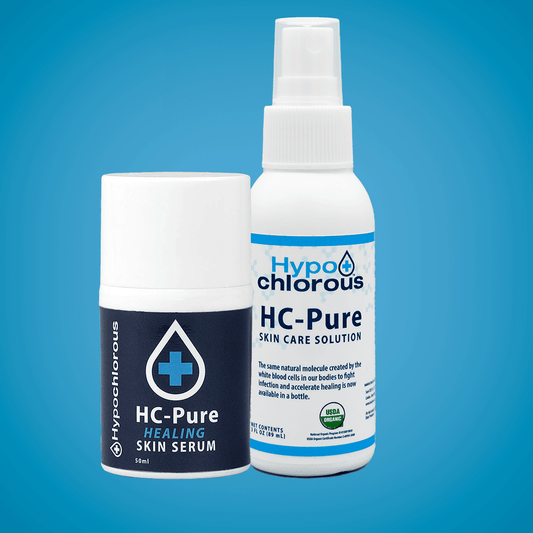
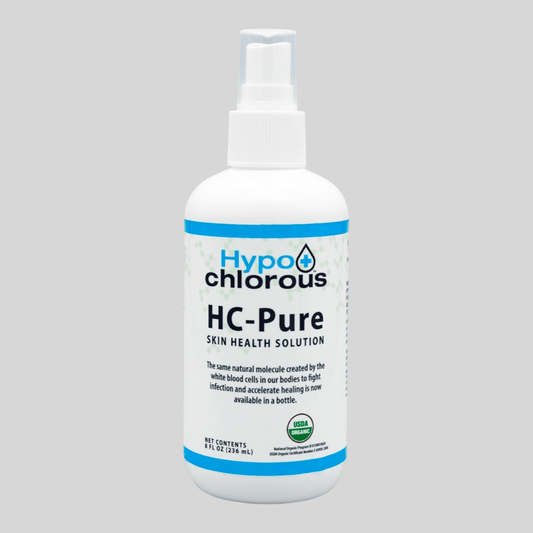
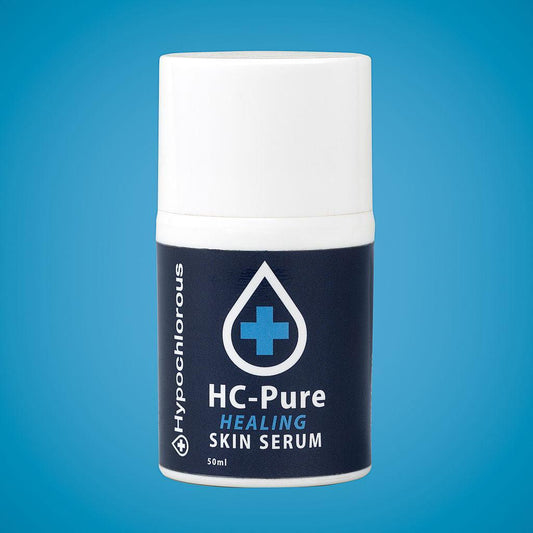
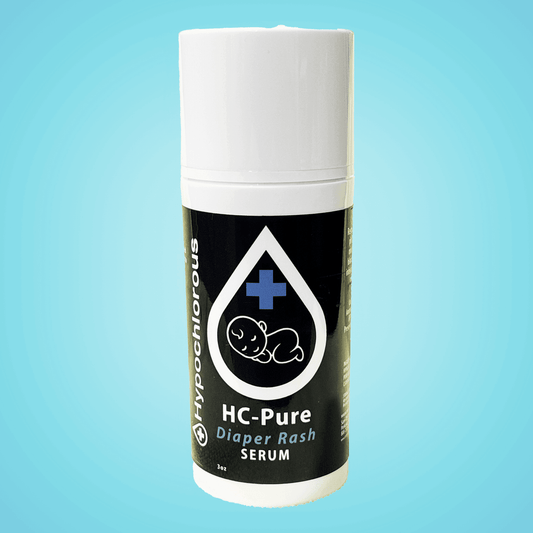
Your baby’s high-chair tray, your dog’s bed, the bathroom counter, and your own sensitive skin all deserve clean care without a cloud of harsh chemical fumes. So, is hypochlorous acid toxic? When it is properly formulated and used as directed, hypochlorous acid, also called HOCl, is widely considered a low-toxicity option for everyday cleaning and hygiene.
That does not mean every bottle, concentration, or use is interchangeable. The safest choice is always a product made for the specific job at hand, whether that is disinfecting a surface, refreshing skin, or cleaning a dental appliance. Here is what makes HOCl different and how to use it with confidence around the people and pets you love.
Why hypochlorous acid is different from harsh cleaners
Hypochlorous acid is not an unfamiliar synthetic chemical your body has never encountered. Your own immune system produces HOCl in small amounts. Certain white blood cells create it as part of the body’s natural defense against invading microbes.
That biological connection does not turn every HOCl product into something you can use without reading the label. It does help explain why properly formulated hypochlorous acid can deliver serious germ-fighting performance without relying on the heavy fragrance, corrosive feel, or lingering residue associated with many conventional cleaners.
HOCl works by disrupting key structures inside microorganisms. In practical terms, it can help kill germs on approved surfaces quickly and effectively. Unlike bleach, it is not designed to leave your home smelling like a chemical factory. Unlike alcohol-based products, it does not have to come with a sharp, drying sensation for every application.
For families trying to reduce the pile of specialty sprays under the sink, that matters. One thoughtfully formulated ingredient can support a simpler routine across surfaces, pet areas, baby gear, and personal-care needs.
Is hypochlorous acid toxic at normal household concentrations?
At the low concentrations used in well-made consumer products, hypochlorous acid is generally recognized for its favorable safety profile. It is commonly used in settings where cleanliness and gentleness both matter, including food-related environments, health care contexts, skin-care applications, and homes with children and animals.
The key phrase is used as directed. Toxicity is never just about an ingredient name. Concentration, formulation, exposure route, contact time, and product quality all change the answer.
A gentle HOCl facial mist, for example, is formulated differently from a surface disinfectant. A product intended for a countertop is not automatically intended for your eyes, mouth, or an open wound. And an EPA-registered disinfectant should be used according to its label directions, including required contact time, rather than sprayed casually and assumed to work instantly.
This is a smarter standard than treating every product labeled “natural” as risk-free or every product with a scientific name as dangerous. Read the use instructions. Choose products designed for the task. Store them responsibly, just as you would any household product.
What makes HOCl family- and pet-conscious
Parents and pet owners are right to question what gets sprayed on the surfaces closest to their families. Babies crawl on floors, put toys in their mouths, and touch everything. Pets nap on rugs, lick their paws, and spend far more time close to the ground than we do.
Traditional cleaning products can introduce strong fragrances, solvents, bleach-based ingredients, or residue that many households would rather avoid. Hypochlorous acid offers a practical alternative because it can clean and disinfect effectively while remaining compatible with sensitive-use environments when the product is labeled for that purpose.
That does not mean you should spray any cleaner directly on a pet, a child, food, or a personal-care item without checking the label. It means you have a more thoughtful option than reaching automatically for the harshest product available. Use an HOCl surface product on approved toys, feeding areas, crates, counters, and high-touch surfaces. Use a skin-focused formula only where its directions specifically allow.
For everyday life, the difference is meaningful: less need to choose between a clean home and a comfortable one.
The safety rules that actually matter
Hypochlorous acid is straightforward to use, but a few habits protect its performance and your household. First, do not mix HOCl with other cleaners or chemicals. Mixing household products is unnecessary and can create unwanted reactions, especially with acids, ammonia, or concentrated bleach products.
Second, use the right product for the job. Surface disinfectants, skin sprays, oral-care cleaners, and laundry products may all contain HOCl, but their directions and intended uses are not identical. The label is not fine print to skip. It is the product’s safety plan.
Third, keep the bottle properly stored. HOCl is an active ingredient, and light, heat, and time can affect stability. Follow storage directions and do not rely on old product past its stated shelf life. A product that has lost potency may not deliver the germ-killing performance you expect.
Finally, avoid treating any household product as a beverage or medicine. Even low-toxicity products should be kept out of reach of children and used only as instructed. If a large amount is swallowed, or if someone has an unusual reaction after exposure, contact a medical professional or Poison Control for personalized guidance.
Can hypochlorous acid irritate skin or eyes?
It can, depending on the formula and the person. “Low toxicity” does not mean “impossible to irritate.” Someone with highly reactive skin, eczema, allergies, or a compromised skin barrier may respond differently than someone without those concerns.
A formula specifically made for skin is usually the appropriate starting point for personal use. If you are trying a new product on sensitive skin, apply it to a small area first and watch for redness, itching, burning, or dryness. Stop using it if irritation occurs.
Eye exposure deserves extra care. Some specialized HOCl products may be formulated and labeled for eye-area use, but a general-purpose household spray is not automatically safe to spray into or near your eyes. If accidental eye contact happens, rinse with clean water and follow the product label’s first-aid guidance.
The same logic applies to wounds and oral care. Only use a product on those areas when it is clearly formulated and labeled for that exact use. A powerful cleaner can still be the wrong personal-care product.
How HOCl compares with bleach and other disinfectants
Bleach can be effective, but effectiveness is only one part of the decision. It may have a strong odor, can discolor fabrics and surfaces, and requires careful handling. Alcohol can be useful for certain applications but may dry skin and evaporate quickly. Fragranced cleaners may make a room smell “clean” while adding ingredients many sensitive households prefer to limit.
Hypochlorous acid gives you another path: high-performance cleaning designed to feel more compatible with real family life. It is especially appealing when you want to disinfect high-touch areas without turning a five-minute cleanup into a ventilation project.
There are trade-offs. HOCl is not a magic substitute for every chemical in every industrial situation, and its effectiveness depends on the product’s concentration, stability, and label-approved claims. Heavily soiled surfaces may need to be cleaned first so the disinfectant can contact the surface properly. For hard water stains, grease buildup, or mineral deposits, a dedicated cleaner may still be needed.
That is not a weakness. It is simply honest cleaning. Choose the product based on the mess and the surface, not on the loudest marketing claim.
A cleaner standard for everyday routines
The goal is not to fear every ingredient. The goal is to make better choices about what comes into your home and what stays on the surfaces your family touches most.
Hypochlorous Company products are built around that idea: serious cleaning power without making harsh chemicals the default. When you select the correct HOCl formula and follow its directions, you can handle everyday messes, germ concerns, and high-touch spaces with more confidence and less chemical compromise.
A safer home routine does not have to be complicated. Start with the products you use most often, read the label with intention, and choose solutions that respect both the job at hand and the people living around it.