A spray can smell like a pine forest and still leave behind harsh chemistry. A product can be labeled “natural” and still make claims it cannot prove. That is why choosing an EPA registered natural disinfectant takes more than picking the bottle with the prettiest label. For homes with babies, pets, sensitive skin, and a lot of lived-in surfaces, the details matter.
The goal is not to fill your cabinets with more products. It is to choose one you can trust when you need to clean up everyday messes and disinfect with confidence.
What EPA Registration Actually Tells You
In the United States, disinfectants are regulated as pesticides because they are designed to kill or control microorganisms. Before a disinfectant can make public-health claims on its label, the Environmental Protection Agency reviews the product and registers it for those specific uses.
An EPA registration number is not a marketing badge. It means the product has a registered label that defines what it kills, where it can be used, how long it must remain wet, and what directions must be followed. That last part is easy to miss. A disinfectant is only doing its job when it is used according to its label.
Registration does not mean every possible claim is approved. It also does not mean a product is automatically the right choice for every surface or every household. Think of it as proof that the disinfecting claims on that exact product label have been evaluated, not a blank check for broad promises.
“Natural” Needs a Closer Look
Unlike EPA registration, “natural” does not have one universal legal definition for household disinfectants. Brands may use the word to describe an ingredient’s origin, a simpler formula, or an alternative to conventional chemical cleaners. That can be meaningful, but it should never replace label reading.
For a health-conscious household, natural should point to practical qualities: a formula without overpowering fragrance, a lower-residue approach, and ingredients you feel comfortable using around the people and animals in your home. It should also come with performance. A gentle product that cannot disinfect when you need it is not a smarter swap.
Hypochlorous acid, often shortened to HOCl, is a compelling example. It is a molecule your own white blood cells produce as part of the body’s immune response. In properly formulated cleaning products, HOCl can deliver serious antimicrobial performance without the fumes, bleachy odor, or complicated product lineup many families are trying to leave behind.
That biological familiarity does not mean every hypochlorous acid product is identical. Concentration, pH, stability, packaging, and the product’s registered directions all affect how it performs. The label remains the authority.
Why Hypochlorous Acid Makes Sense at Home
The cleaning aisle has trained people to expect a separate product for every concern: one for counters, another for the bathroom, another for pet accidents, another for children’s gear. More bottles often mean more fragrances, more warnings, and more chances for the wrong product to end up on the wrong surface.
A well-formulated hypochlorous acid disinfectant offers a more practical path. It can help simplify daily hygiene across high-touch surfaces, from doorknobs and light switches to countertops, bathroom fixtures, trash cans, and pet areas. Depending on the product’s directions, it may also be appropriate for more sensitive-use environments where harsh chemical residue is a concern.
This is where an EPA registered natural disinfectant can earn its place in a modern home. It is not about chasing a vague “clean” feeling. It is about having a product that supports real germ control while better matching the way families actually live.
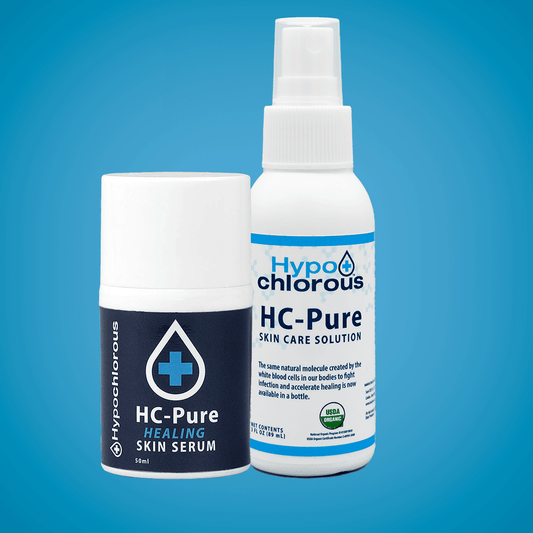
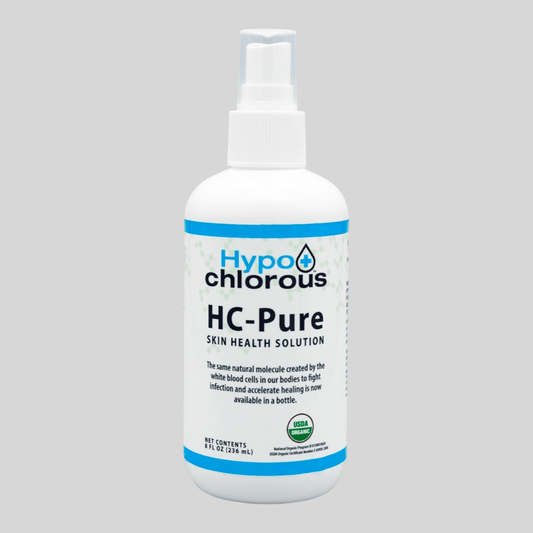
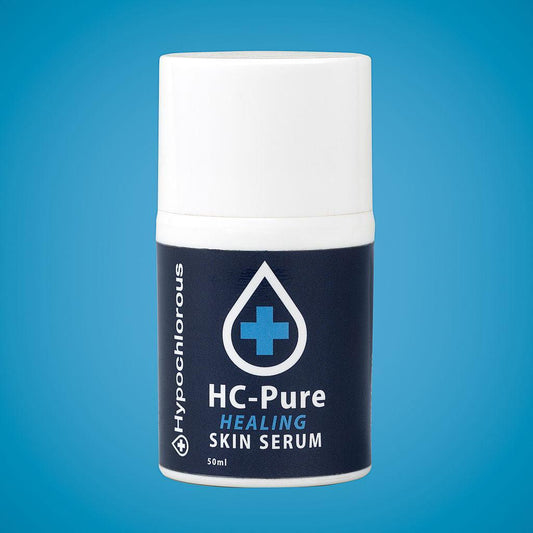
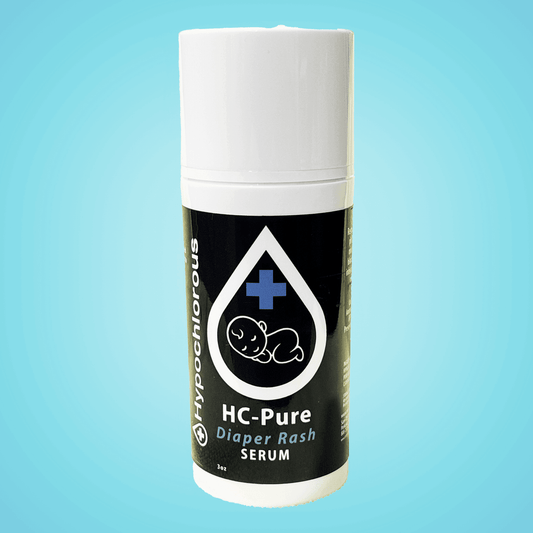
At Hypochlorous Company, that means treating HOCl as more than another cleaner. It is a high-efficacy ingredient designed to replace unnecessary chemical clutter with a safer, simpler daily routine.
How to Read the Label Before You Buy
A disinfectant label gives you the information that matters most, even if it is printed in small type. Take a minute to look for the EPA registration number, the active ingredient, and the approved use directions. Those details separate a serious disinfectant from a product that is simply positioned as a cleaner or deodorizer.
Pay close attention to the contact time. This is the amount of time a surface must stay visibly wet for the stated disinfecting claim to apply. Spraying and immediately wiping dry may clean the surface, but it may not meet the product’s disinfecting directions.
Also check the list of organisms covered by the label. “Kills 99.9% of germs” is a familiar phrase, but it does not tell the whole story. A registered label identifies the specific bacteria and viruses tested for that product and use case.
Finally, distinguish between cleaning and disinfecting. Cleaning removes dirt, crumbs, grease, and other soil. Disinfecting targets germs on a pre-cleaned surface. If a counter has visible food residue or a pet mess, remove the mess first. Then apply the disinfectant as directed.
Use It Like a Disinfectant, Not a Room Spray
The best formula cannot compensate for rushed application. Start by clearing visible debris, then apply enough product to thoroughly wet the surface. Allow it to remain wet for the full contact time on the label before wiping, air-drying, or rinsing if directed.
This approach is especially useful in the places germs travel most: kitchen counters after food prep, bathroom sinks and handles, changing stations, shared electronics, pet bowls, crates, and frequently touched entryway surfaces. You do not need to disinfect every inch of your home every hour. Targeted, consistent use is more realistic and more effective.
There are trade-offs. Some surfaces, including unfinished wood, natural stone, and certain electronics, require special care. Always follow both the disinfectant label and the surface manufacturer’s instructions. If you are using a product on an item that goes in a child’s mouth or comes into contact with food, follow any rinse directions exactly.
Never assume that “non-toxic” means “anything goes.” Store every cleaning product out of children’s reach, avoid mixing products, and use only as directed. Smart cleaning is protective, not careless.
A Better Standard for Family-Safe Cleaning
Families should not have to choose between an effective disinfectant and a home that does not smell like a chemical factory. The better standard is straightforward: choose products with registered efficacy claims, clear directions, and ingredients that fit your values.
That means looking beyond front-label buzzwords. Ask whether the product is EPA registered for the disinfecting job you need it to do. Check its active ingredient. Learn the contact time. Consider how it fits around pets, children, sensitive skin, and the surfaces you use every day.
When your disinfectant is powerful enough for high-touch messes and practical enough to keep within reach, cleaning becomes less about fear and more about care. That is the kind of upgrade a healthier home can actually sustain.