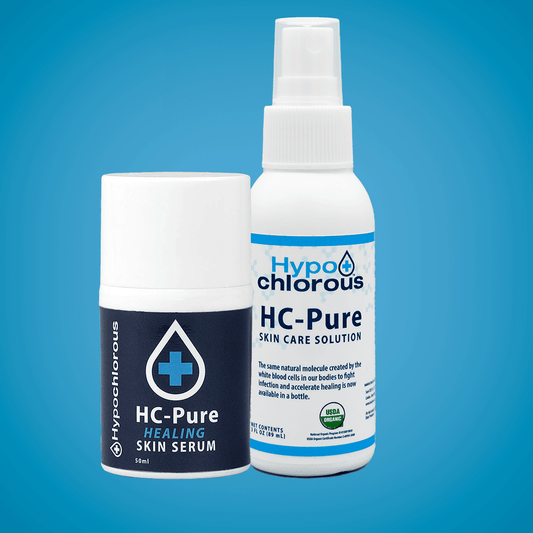
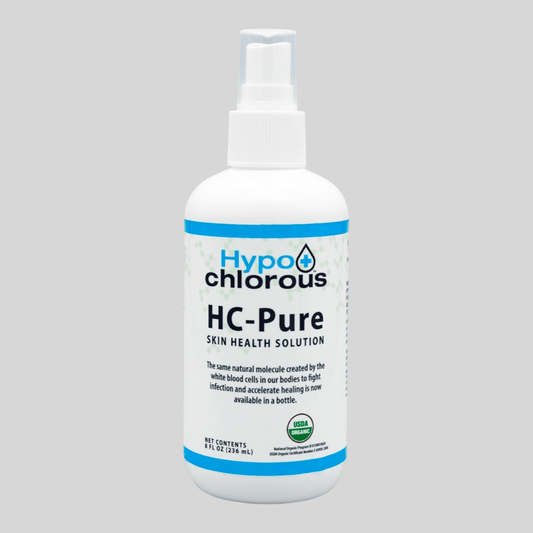
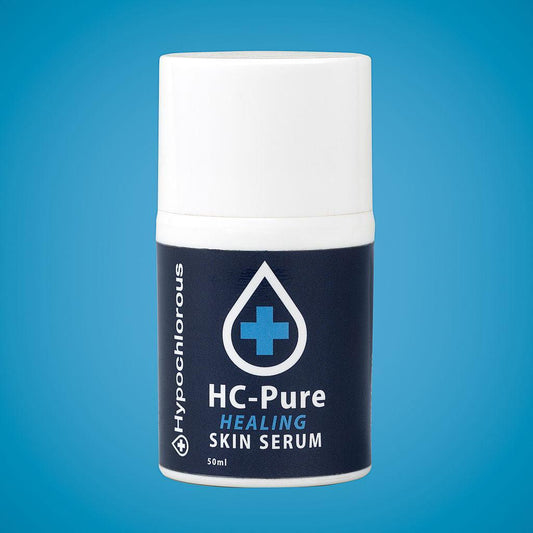
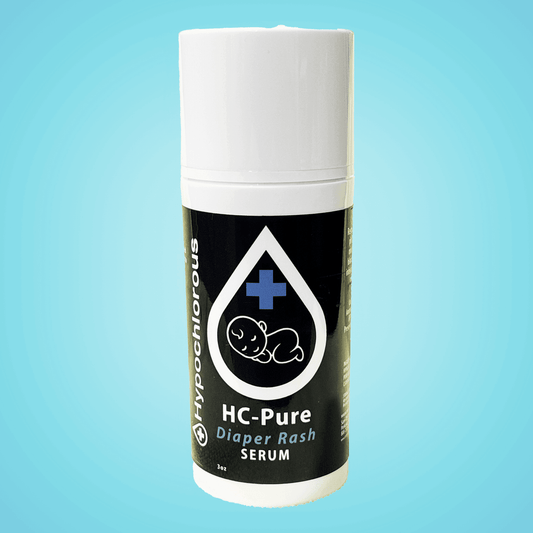
Your skin deals with more than a skincare routine. Sweat after a workout, friction from a mask or helmet, city grime, pet cuddles, and a long day of touching your face can all leave it feeling less than fresh. A hypochlorous acid spray for skin gives you a simple reset: a fine, water-like mist that supports everyday skin hygiene without the sting, fragrance, or heavy residue many people are trying to avoid.
That simplicity matters when your bathroom shelf is already crowded with products that promise a lot and ask your skin to tolerate even more. Hypochlorous acid, often called HOCl, is a naturally occurring molecule that the body’s immune system produces as part of its normal defense process. In a properly formulated topical spray, it can be a practical, gentle addition to routines for sensitive, active, and easily overwhelmed skin.
What is hypochlorous acid spray for skin?
Hypochlorous acid spray is typically a minimalist formula made with purified water, hypochlorous acid, and sometimes a small amount of salt used in the production process. It is not bleach, even though both substances can be connected to chlorine chemistry. The difference is meaningful: the molecule, concentration, pH, purity, and intended use determine how a product behaves.
For skin, a quality HOCl spray should be designed specifically for topical use. It should feel light, dry down without a sticky film, and avoid unnecessary fragrance, alcohol, essential oils, and harsh active ingredients. That makes it especially useful for people who want a cleaner-feeling routine but do not want to pile on another acid, exfoliant, or strongly scented mist.
HOCl is known for its antimicrobial activity, which is why hypochlorous acid has applications across hygiene, wound-care settings, and household cleaning. But skin is not a countertop. A spray made for the body should be used only as directed, and it should never be replaced with a surface disinfectant just because the ingredient name sounds similar.
Why sensitive skin often responds well to HOCl
Many skin routines become irritating because they lean too hard on aggressive ingredients. Alcohol-heavy sprays can feel instantly clean but leave skin tight. Fragranced products may smell fresh while creating trouble for reactive complexions. Strong acids and scrubs can be useful in the right context, yet they are not always what stressed skin needs.
Hypochlorous acid spray takes a different route. It is usually gentle enough to mist over skin whenever it needs a refresh, including after sweating, commuting, shaving, or wearing face coverings. The appeal is not that it replaces every product in your cabinet. The appeal is that it fills the space between doing nothing and reaching for something harsher.
For parents, that can mean a simple option for helping keep little hands, faces, or minor everyday messes feeling clean when used according to the product label. For active adults, it can mean a quick post-gym mist before the drive home. For anyone managing a complicated skincare routine, it can be a low-fuss layer that does not compete with every other step.
Skin tolerance still depends on the person. Even gentle products can irritate an individual allergy, compromised skin barrier, or a condition that needs professional care. Patch test when trying any new topical product, avoid spraying directly into the eyes, and speak with a dermatologist about persistent rashes, painful breakouts, wounds, or signs of infection.
Where it fits in a real routine
The best skincare products earn their place by being easy to use. HOCl spray is one of those flexible products that does not require a 10-step ritual to make sense.
Use it after cleansing when you want a lightweight first layer before moisturizer. Or mist it onto clean skin after exercise, a hot commute, or time outdoors, then let it air dry. If you use prescription treatments, retinoids, exfoliating acids, or benzoyl peroxide, keep your clinician’s advice at the center of your routine. A gentle spray may pair well with those products, but timing and tolerance are personal.
It can also be useful when washing your face is inconvenient. Think of travel days, post-workout errands, or midday refreshes at your desk. That does not mean a mist replaces cleansing after sunscreen, makeup, or a truly dirty day. It means you have a practical option when a full cleanse is not realistic right then.
A few habits keep it simple:
- Spray onto clean skin from a comfortable distance and allow it to dry naturally.
- Use it on face or body only if the label specifically says it is intended for topical use.
- Store it as directed, because HOCl is an active molecule and product stability matters.
- Keep expectations realistic: it supports a clean, comfortable routine, but it is not a cure for acne, eczema, rosacea, or any medical skin condition.
The trade-off: gentle does not mean interchangeable
The rise of hypochlorous acid has brought a flood of products with similar-looking labels. Not all of them are made for the same job. A household formula may be excellent for high-touch surfaces, baby gear, pet areas, or laundry needs, but that does not automatically make it appropriate for facial use. Choose the product category that matches the application.
There is also a difference between a skin mist and a treatment product. If your main goal is exfoliation, pigment support, oil control, or prescription-level acne treatment, HOCl is not a direct substitute. It is better understood as a supportive staple: simple, versatile, and less likely to turn a stressed routine into an overcorrected one.
That is precisely why it resonates with ingredient-conscious households. You do not need every product to do everything. You need the right product to do its job without adding unnecessary chemical burden, overpowering fragrance, or a long list of ingredients your skin never asked for.
A smarter standard for everyday skin hygiene
When you read a label, look beyond buzzwords. A skin-focused hypochlorous acid spray should clearly state its intended use, provide straightforward directions, and avoid making dramatic promises that sound too good to be true. The formula should be transparent about what is in the bottle and how it should be stored.
It is also worth looking at the rest of your routine. Skin can react to over-cleansing, abrasive towels, heavily fragranced laundry products, dirty makeup brushes, and pillowcases that go too long between washes. A good spray can help simplify your daily habits, but the biggest gains often come from reducing the small irritants that stack up over time.
Hypochlorous Company is built around that practical idea: powerful hygiene does not have to mean filling your home and personal-care routine with harsh chemicals. For skin, the win is a straightforward mist that feels at home in the gym bag, the bathroom cabinet, and the everyday moments when clean should not come with a compromise.
The most useful skincare upgrade is often not another complicated treatment. It is the product you will actually reach for after a workout, before bed, or when your skin simply needs a calm, clean reset.