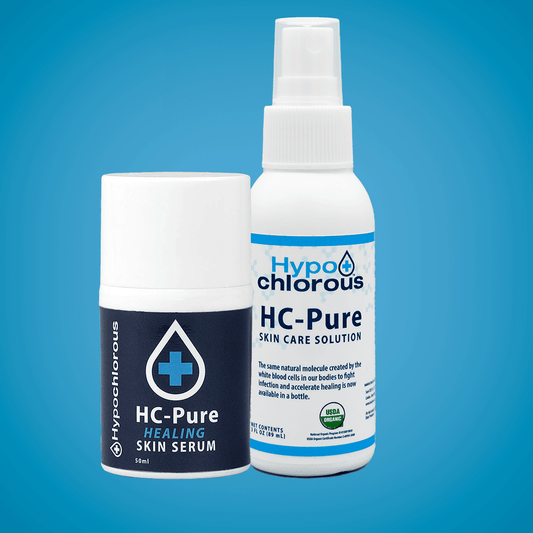
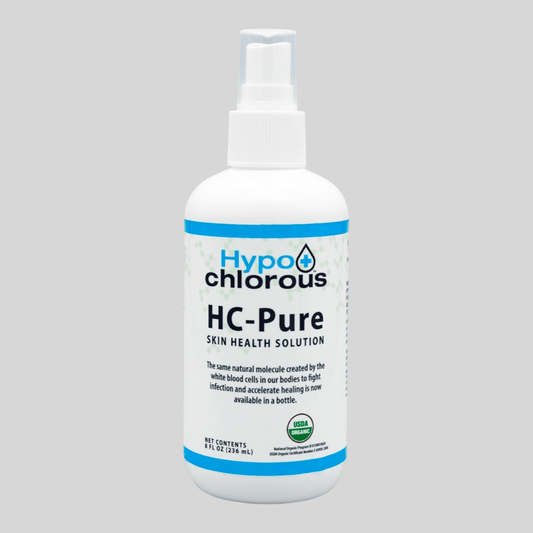
That sharp bleach smell can make a clean kitchen feel less like a win and more like a warning. For parents, pet owners, and anyone managing a busy home, a bleach alternative disinfectant spray offers a better standard: serious germ control without turning every cleanup into a chemical event.
Hypochlorous acid, or HOCl, is changing what people expect from a disinfectant. It is a powerful active ingredient with a remarkable advantage - it is related to a compound your own immune system produces as part of its defense against germs. When formulated and used correctly, HOCl can help simplify the products under your sink while supporting the cleaner, lower-fume home you want to create.
Why Bleach Is Not the Only Answer
Bleach earned its place in household cleaning because it can disinfect hard, nonporous surfaces. But effectiveness is only part of the decision. Bleach can leave a strong odor, discolor fabrics and surfaces, irritate skin and airways, and create dangerous fumes when mixed with certain other cleaners. It also demands careful storage in homes with curious children and pets.
That trade-off matters when disinfecting is not an occasional task. Kitchen counters, high chairs, bathroom fixtures, pet areas, doorknobs, lunch boxes, gym gear, and trash bins all need regular attention. A product that works well but makes you worry about residue, ventilation, or what it touches is not especially convenient.
The goal is not to clean less. It is to choose chemistry that better fits real life.
What Makes Hypochlorous Acid Different?
Hypochlorous acid is not chlorine bleach. Although both are chlorine-based compounds, they are chemically different and behave very differently in use. Bleach is sodium hypochlorite, an alkaline compound known for its harshness. HOCl is a weak acid that can be produced by electrolyzing salt, water, and electricity under controlled conditions.
Your white blood cells naturally create hypochlorous acid to help defend against invading microbes. That biological familiarity does not make every HOCl product identical, but it helps explain why a properly formulated solution can deliver meaningful antimicrobial performance without the same harsh cleaning experience associated with bleach.
A quality HOCl spray is designed to be gentle in the places that matter most: around children, pets, food-contact surfaces when used according to label directions, and sensitive household routines. It is typically fragrance-free, does not rely on heavy perfumes to signal cleanliness, and can reduce the need to keep a separate harsh product for every room.
Bleach Alternative Disinfectant Spray: What It Can Do
A disinfectant is different from an all-purpose cleaner. Cleaning removes visible soil, grease, and debris. Disinfecting is intended to kill specific microorganisms on a surface, based on the product's tested label claims. The best routine often uses both ideas: remove grime first when needed, then apply your disinfectant correctly.
A hypochlorous bleach alternative disinfectant spray can be a practical choice for high-touch, everyday surfaces, including counters, sinks, toilet exteriors, appliance handles, light switches, toys, pet crates, and bathroom fixtures. Its greatest benefit is not that it gives you permission to skip cleaning. It is that it makes consistent hygiene easier to maintain.
For heavily soiled areas, wipe away dirt, food residue, or grease before disinfecting. Then spray the surface until it is visibly wet and leave it wet for the contact time stated on the product label. That dwell time is not a technicality. If a product dries before the required contact time, it may not deliver the disinfection performance you expect.
Always check the label for approved surfaces and organisms. EPA registration matters when you are looking for a product with disinfecting claims, because those claims are tied to specific testing and directions for use. “Non-toxic” and “natural” are helpful product qualities, but they are not substitutes for clear efficacy information.
Where It Fits Into a Family-Safe Routine
The power of a multi-use HOCl spray is that it meets the mess where it happens. After breakfast, it can support a fast reset of the table, high chair tray, and countertop. After a grocery run, it can be used on the hard surfaces you touched most. After the dog comes in from the yard, it can help freshen the crate area, floor around the bowl, or other hard pet-zone surfaces according to label directions.
In the bathroom, it is an easy choice for faucet handles, toilet flush levers, cabinet pulls, and counters. In a home with kids, those small touchpoints add up quickly. A spray you feel comfortable reaching for regularly is more likely to become part of the routine instead of sitting untouched because the fumes feel like too much for a two-minute cleanup.
This versatility can also reduce clutter. Instead of rotating between a bleach bottle, a scented bathroom cleaner, a kitchen spray, a pet-area deodorizer, and disinfecting wipes, you can build a simpler system around one high-performing active ingredient. Hypochlorous Company was built around that idea: less product overload, more confidence in what you use every day.
What to Look for Before You Buy
Not every bottle labeled “hypochlorous acid” is intended for the same job. Some are made for skincare or personal care. Others are formulated for general cleaning, food-contact environments, or disinfecting hard surfaces. The right choice depends on where and how you plan to use it.
Look beyond front-label language. Confirm whether the product is EPA registered if disinfection is your priority, and read its approved use directions. Check whether it is fragrance-free, whether it is appropriate for the surfaces in your home, and how it should be stored. HOCl can be sensitive to light, heat, and time, so stable packaging and a clearly marked expiration date are meaningful quality signals.
You should also avoid assuming that a stronger smell means stronger performance. Fragrance and fumes are often marketed as proof that something is working, but they are not a measure of efficacy. What matters is the active ingredient, the formulation, the testing behind its claims, and whether you use it for the stated contact time.
Important Safety and Use Notes
A gentler disinfectant does not mean a product should be used carelessly. Never mix cleaning products, especially bleach, ammonia, acids, or other disinfectants. Mixing chemicals can create irritating or dangerous gases, and combining products does not make them work better.
Use products only as directed. Do not treat a surface disinfectant as a skin, wound, oral, or eye-care product unless its label specifically says it is intended for that use. Likewise, do not use a personal-care HOCl mist as a surface disinfectant unless it carries the appropriate registered claims.
For surfaces that contact food, baby items, or toys that go in mouths, follow the label's instructions about rinsing or air drying. Test any cleaner in an inconspicuous spot before using it on delicate finishes, natural stone, unfinished wood, or specialty materials. The safest choice is always the one that matches both the surface and the job.
A Better Standard for Everyday Clean
The most useful disinfectant is not the one you save for a major mess. It is the one you can use with confidence after breakfast, before company arrives, after a sick day, and during the ordinary moments that make up family life.
Choosing an HOCl-based spray is a practical way to move beyond the old idea that a home has to smell harsh to be hygienic. Keep the bottle where life gets messy, follow its label, and let your cleaning routine feel protective instead of punishing.