The spot where you make lunch, unload groceries, and set down a toddler’s cup can collect more than crumbs. Learning how to sanitize countertops safely means dealing with everyday germs without leaving behind harsh fumes or chemical residue where your family eats, touches, and gathers.
The smarter approach is not to reach for the strongest-smelling product. It is to use the right product, in the right order, for the surface in front of you. A safe routine starts with cleaning away visible mess, then using a sanitizer according to its label. That distinction protects both your household and your countertops.
Cleaning, Sanitizing, and Disinfecting Are Not the Same
These words are often used interchangeably, but they do different jobs. Cleaning removes food residue, grease, dirt, and spills. Sanitizing reduces certain bacteria on a surface to levels considered safer by public-health standards. Disinfecting is designed to kill a broader range of germs, depending on the product’s registered claims and contact time.
For a kitchen counter after normal meal prep, sanitizing is often the practical middle ground. After handling raw meat, cleaning up pet messes, or managing illness at home, you may need a disinfectant with claims that match the situation.
The label matters. If a product is EPA-registered, follow the directions for the specific claim you need, including whether the surface must stay visibly wet for a stated amount of time. More spray is not automatically more effective. Proper contact time is what gives an antimicrobial product the chance to work.
Start With a Clean Surface
Sanitizer should not have to fight through dried sauce, flour, grease, or bits of food. Wipe those away first with a clean cloth or paper towel. For stubborn grime, use a cleaner appropriate for your countertop material, then remove any remaining residue before sanitizing.
This step is especially important after cooking. A countertop can look clean while still holding an oily film that reduces contact between the sanitizer and the surface. Clean first, sanitize second, and let the product do the work rather than scrubbing aggressively with a cocktail of cleaners.
Never mix cleaning products. Bleach combined with ammonia, acids, vinegar, or some other household cleaners can create dangerous fumes. Mixing products does not create a super-cleaner. It creates unnecessary risk.
How to Sanitize Countertops Safely, Step by Step
Once crumbs and residue are gone, a simple routine is enough for most homes.
1. Clear the counter. Move food, dishes, cutting boards, and small appliances out of the way so you can treat the full surface.
2. Clean visible soil. Remove spills, grease, and food debris with a suitable cleaner and a fresh cloth.
3. Apply your sanitizer evenly. Spray enough to cover the area, including high-touch edges near handles, coffee makers, and trash bins. Avoid lightly misting and immediately wiping it away.
4. Keep the surface wet for the label-listed contact time. This is non-negotiable. If it dries too quickly, reapply as directed.
5. Air dry or wipe as directed. If you are sanitizing a food-contact surface, check whether the label requires a potable-water rinse afterward. Do not assume every product has the same instructions.
6. Use a clean cloth next time. A dirty sponge can move germs right back onto the counter. Wash reusable cloths often and replace worn sponges before they start to smell.
This routine is quick enough for daily use, which is exactly the point. Home hygiene works best when it fits real life.
Choose a Sanitizer That Fits a Family Home
Conventional disinfectants can be effective, but effectiveness is only one part of the decision. Strong fragrance, harsh fumes, skin irritation, and surface damage can make a product a poor fit for a busy kitchen or a home with kids and pets.
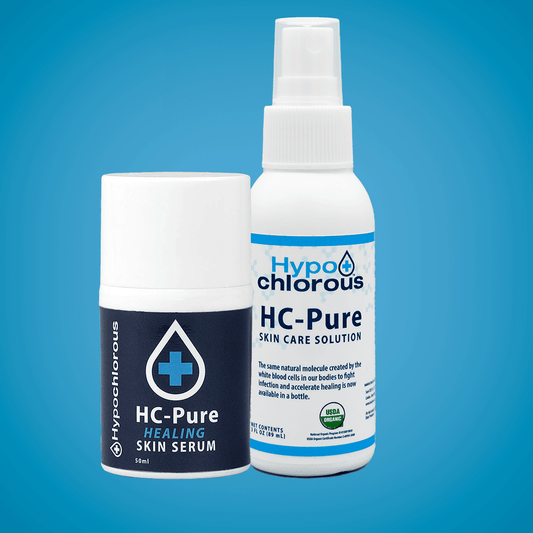
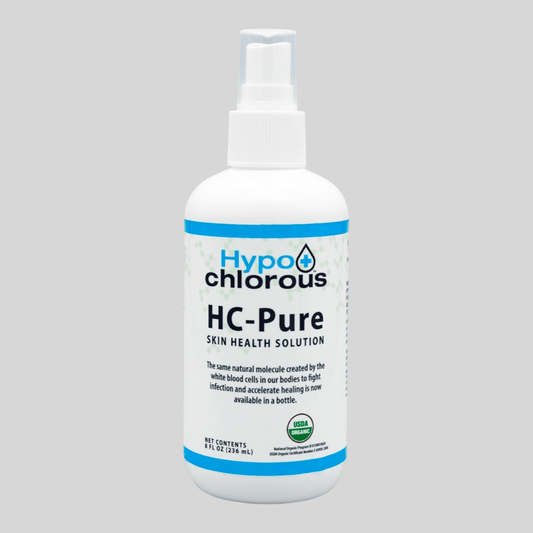
Hypochlorous acid, often called HOCl, offers a different approach. It is a compound your body naturally produces as part of its immune response, and properly formulated HOCl products can provide powerful germ control without relying on bleach fumes, alcohol-heavy formulas, or added fragrance. The exact performance still depends on the formulation and its label, so look for clearly stated directions and EPA registration when you need antimicrobial claims.
For health-conscious households, this can simplify the cleaning cabinet. Instead of reaching for separate products around food-prep spaces, baby items, pet areas, and high-touch surfaces, a versatile HOCl-based product can support a more practical low-tox routine. TryHypo is built around that idea: serious everyday hygiene without making your home smell like a chemical aisle.
“Non-toxic” should never mean careless. Keep every cleaning product out of children’s reach, use it only as directed, and do not treat a surface spray as food or medicine. The goal is less chemical burden, not less attention to instructions.
Match Your Method to the Countertop Material
Not every countertop handles moisture and cleaners the same way. The safest product can still cause problems if it is left sitting too long on a material that is porous, unsealed, or sensitive to liquid.
Quartz and Laminate
Quartz and laminate are common, durable options, but they are not invincible. Avoid abrasive scrubbers and highly alkaline or acidic products that can dull finishes over time. Use a soft cloth, follow the sanitizer label, and do not let liquid pool along seams or edges.
Granite, Marble, and Other Natural Stone
Natural stone needs extra care because many varieties are porous or sealed with protective coatings. Acidic products can etch marble, while harsh or improper chemicals may weaken sealers. Use a stone-compatible cleaner for the cleaning step, then check that your sanitizer is appropriate for sealed stone. When in doubt, test a hidden area first and wipe away excess moisture after the required contact time.
Butcher Block and Wood
Wood is the countertop material most likely to absorb liquid. Do not soak it. Clean food debris promptly, use only products compatible with finished wood, and apply sanitizer sparingly according to directions. If the wood is cracked, deeply scored, or unfinished, it can be harder to keep hygienic. Regular maintenance and refinishing may matter as much as the product you choose.
Concrete and Tile
Sealed concrete and glazed tile are generally easier to maintain than unsealed surfaces, but grout lines deserve attention. They can hold residue and moisture, especially near sinks. Clean them regularly, sanitize when needed, and avoid leaving excess liquid in seams.
The Moments That Deserve Extra Attention
You do not need to sanitize every inch of your kitchen after every glass of water. Save your energy for the moments with a higher chance of contamination: after raw meat, poultry, seafood, or eggs; after handling unwashed produce; after a pet jumps onto the counter; after cleaning a lunchbox; or when someone in the home is sick.
Also focus on the small zones people forget. The counter near the trash can, the area around a soap dispenser, cabinet pulls, refrigerator handles, faucet handles, and the ledge beside the sink often get more hand contact than the center of the countertop.
A good rule is to clean as you cook and sanitize strategically. That keeps the routine effective without turning your kitchen into a lab.
Common Mistakes That Undercut Your Routine
The biggest mistake is spraying and wiping immediately. A sanitizer needs its listed contact time, and rushing the process can leave you with a surface that smells clean but has not received the benefit you intended.
Another common problem is using one rag everywhere. A cloth used on the floor, sink, or raw-chicken packaging should not return to the counter. Keep counter cloths separate, launder them frequently, and replace paper towels after use rather than reusing them around the kitchen.
Finally, do not use harsh chemicals as a substitute for safe food handling. Sanitizing a countertop does not make it safe to place cooked food where raw chicken sat moments earlier without first cleaning the area. It also does not replace handwashing, washing produce properly, or using separate cutting boards for raw proteins and ready-to-eat foods.
A Safer Standard for Everyday Cleanliness
Your countertop routine should leave you feeling confident, not concerned about what is lingering in the air or on the surface. Choose products that match your materials, respect label directions, and make sense for the people and animals sharing your home.
The best cleaning habit is the one you can repeat after breakfast, after dinner, and after life gets messy: clear the mess, give your sanitizer time to work, and create a kitchen that feels clean enough for the hands, paws, and meals you care about most.