A cutting board after dinner, a toddler’s high-chair tray, the dog’s water bowl, and a bathroom faucet do not all need the same level of germ control. That is where sanitizing versus disinfecting becomes practical, not technical. Choosing the right approach helps you protect your family without turning every daily cleanup into a harsh-chemical event.
The goal is not to use the strongest product for every mess. The smarter move is to clean visible soil first, then choose a sanitizer or disinfectant based on the surface, the risk, and the product’s approved directions. That keeps your routine effective, simpler, and more considerate of the people and pets living in your home.
Sanitizing Versus Disinfecting: The Real Difference
Cleaning, sanitizing, and disinfecting are related, but they are not interchangeable.
Cleaning removes dirt, grease, crumbs, and some germs from a surface. Soap, water, and friction do much of the work. It is the essential first step when a surface is visibly dirty because grime can shield microbes from the product you apply afterward.
Sanitizing reduces the number of bacteria on a surface to a level considered safe by public-health standards. In many settings, a sanitizer is used for food-contact surfaces, including counters, cutting boards, high-chair trays, and dishes. It is ideal for routine hygiene after you have removed food residue and visible messes.
Disinfecting kills or inactivates specific germs listed on a product label, often including bacteria and viruses. Disinfection is the higher-level response for high-touch surfaces during illness, after raw meat prep, following a bathroom accident, or when someone in the household is immunocompromised.
The distinction matters because a product’s claim is tied to how it has been tested and registered. A cleaner may smell strong and still not be a disinfectant. A product described as “natural” may be useful, but it should not be assumed to kill pathogens unless its label makes that specific claim.
When Sanitizing Is the Right Call
Sanitizing belongs in the everyday rhythm of a well-run home. Think of the places where food, hands, and small children routinely meet: kitchen counters, refrigerator handles, dining tables, reusable lunch containers, and baby items that can be safely treated according to their material and product directions.
For most ordinary days, sanitizing offers a sensible balance. You are lowering bacterial load where it matters while avoiding the temptation to overuse aggressive chemicals on every surface. This is especially valuable in homes with babies, pets, sensitive skin, or people who are tired of fragrance-heavy sprays lingering in the air.
Sanitizing does not mean skipping cleaning. If a counter has splattered sauce or a pet bowl has dried food around the edge, wipe or wash away the buildup first. Then apply the sanitizing product at the amount and contact time stated on its label. A quick spray-and-immediate-wipe may leave the surface looking clean, but it may not give the active ingredient enough time to work.
When Your Home Needs Disinfecting
Disinfection is best reserved for moments with a more specific germ concern. If a household member has been sick, disinfect the surfaces they touch most often: faucet handles, toilet flushers, doorknobs, light switches, remote controls, phones, and bedside tables. The same applies after handling raw poultry or meat, cleaning up vomit or diarrhea, or caring for someone with a contagious infection.
Bathrooms often need targeted disinfection too. The toilet seat, flush handle, sink fixtures, and floor around the toilet can become high-risk areas, particularly in a busy household. Still, “disinfect everything” is not a requirement for a healthy home. Routine cleaning and targeted sanitizing handle much of daily life. Disinfect when the situation calls for it.
The trade-off is worth understanding. Traditional disinfectants can be effective, yet some come with strong odors, irritating fumes, or residues that make them a poor fit for frequent use around children, pets, and sensitive individuals. Ventilation, proper storage, and never mixing products are nonnegotiable when using conventional chemicals.
Contact Time Is Where Results Are Won or Lost
The most common cleaning mistake is treating disinfectant like window cleaner: spray, wipe, done. Germ-killing products need a defined contact time, sometimes called dwell time. That is the number of minutes a surface must remain visibly wet for the product to achieve its labeled sanitizing or disinfecting claim.
Read the label every time you introduce a new product. Contact time can vary by formulation, target organism, and intended use. If the surface dries before that time is up, apply enough product to keep it wet. If directions say to rinse food-contact surfaces afterward, rinse them. If a product is not intended for skin, do not use it on skin just because it is marketed as gentle.
This is also why dilution matters. Products designed to be diluted need the correct water-to-product ratio. More concentrate is not automatically better, and under-diluting can leave unnecessary residue. Ready-to-use products remove that guesswork, which can be a meaningful advantage for daily household routines.
Why Hypochlorous Acid Changes the Conversation
Hypochlorous acid, often shortened to HOCl, is a powerful antimicrobial molecule that your own white blood cells naturally produce as part of the immune response. In properly formulated household products, it offers a compelling path for families who want high-performance hygiene without defaulting to bleach fumes, harsh solvents, or heavy fragrance.
The appeal is not that every cleaning task needs a single magic spray. It is that a well-formulated HOCl product can simplify the cabinet while supporting a lower-tox approach to routine care. Depending on its EPA registration and label directions, an HOCl formula may be designed to clean, sanitize, or disinfect specific surfaces and pathogens. Those details matter more than broad marketing language.
For parents, that can mean less second-guessing around high-chair trays, toys, and frequently touched surfaces. For pet owners, it can mean a more comfortable way to manage crates, bowls, bedding areas, and the messes that come with real life. For anyone managing a sensitive household, it can mean fewer competing bottles and fewer harsh odors attached to the idea of “clean.”
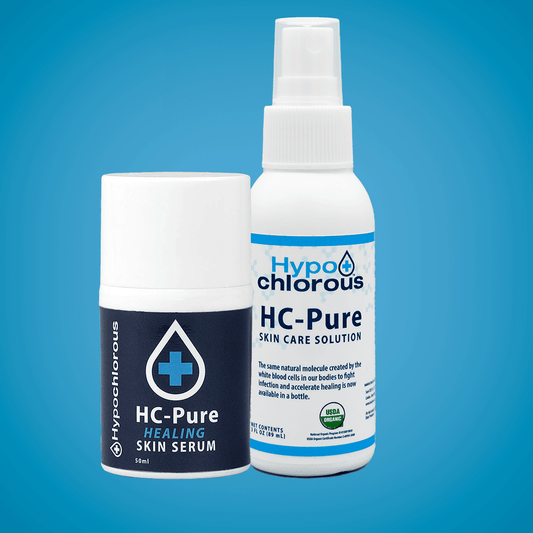
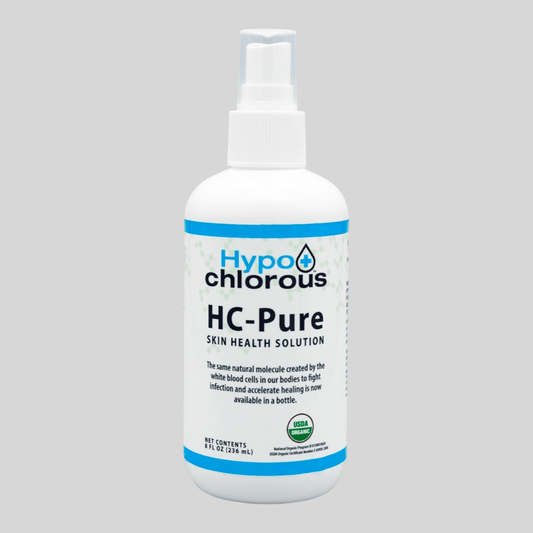
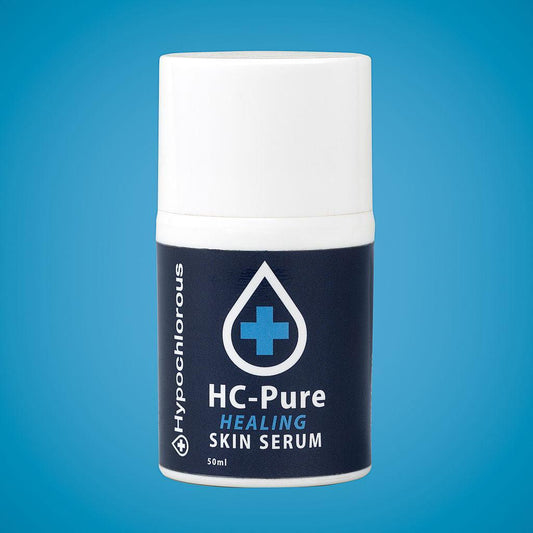
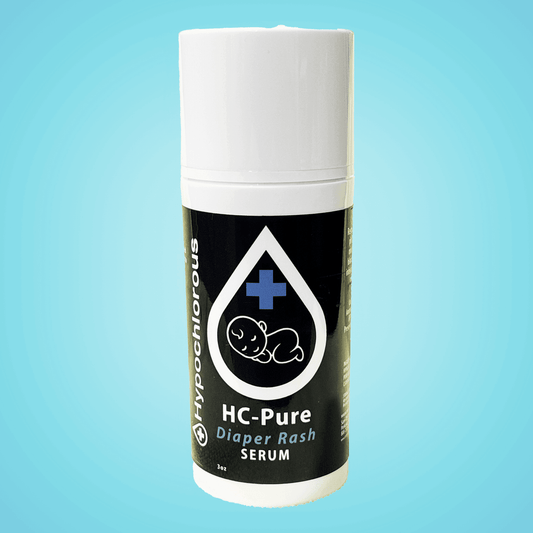
Hypochlorous Company is built around this practical upgrade: science-backed germ control designed to fit the spaces where families, pets, food, and daily routines overlap. As with any product, follow its specific directions for approved uses, contact time, material compatibility, and whether rinsing is required.
A Smarter Routine for Real Homes
Start by separating ordinary mess from elevated risk. Crumbs, dust, fingerprints, and everyday kitchen residue call for cleaning, followed by sanitizing where appropriate. Illness, bodily fluids, raw-meat contamination, and heavily touched bathroom surfaces call for a disinfectant with an applicable label claim.
Then make the routine easy enough to repeat. Keep the product you use most often where you actually need it, but always out of reach of children and away from direct heat or sunlight if the label requires it. Use clean cloths, wash reusable tools frequently, and replace worn sponges that can hold onto bacteria.
Material matters, too. Test an inconspicuous area before using a new product on natural stone, unfinished wood, delicate fabrics, painted surfaces, electronics, or specialty finishes. Never assume that a product safe for one surface is safe for every surface. For electronics, apply product to a cloth rather than spraying directly unless the device manufacturer says otherwise.
A clean home should feel protective, not punishing. When you understand the difference between routine sanitizing and targeted disinfecting, you can respond to the moment with confidence - and keep your home’s germ-control routine effective without filling it with unnecessary chemical exposure.