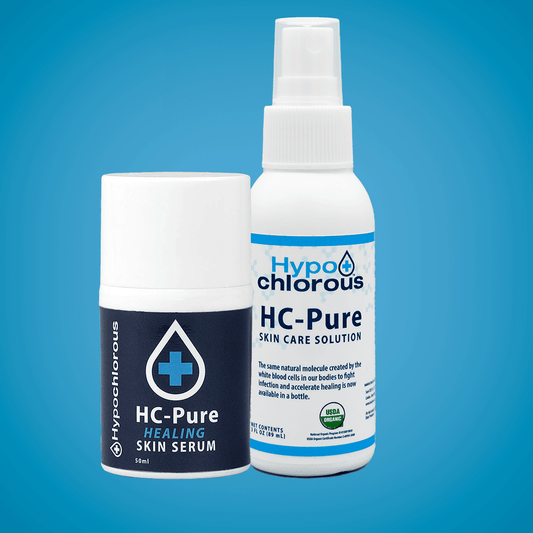
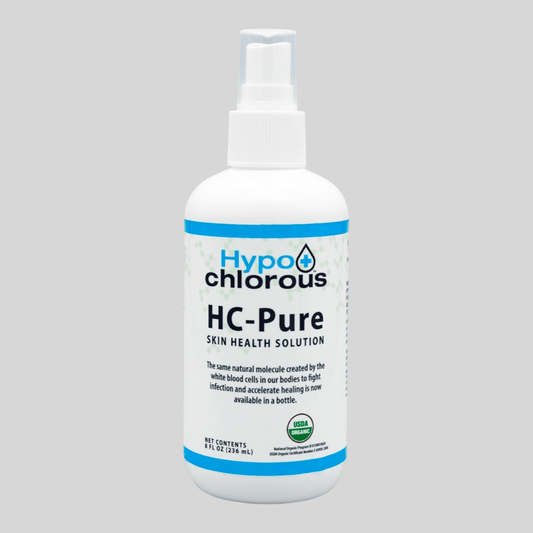
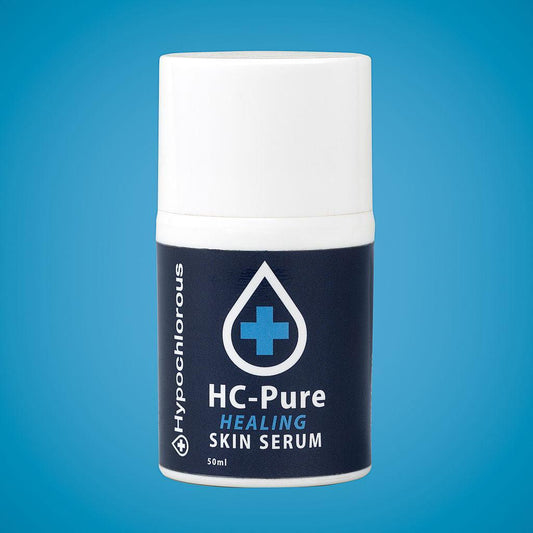
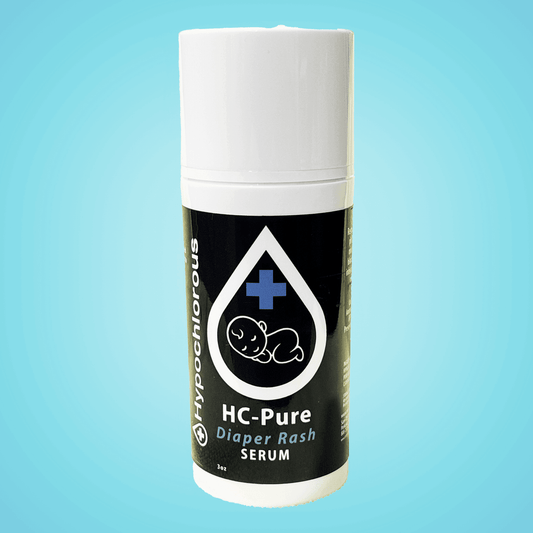
If you have ever looked at a spray bottle and wondered what is hypochlorous acid cleaner, you are asking the right question. Because once you understand what HOCl is, a lot of old cleaning habits start to look outdated. For families trying to cut back on bleach, ammonia, synthetic fragrance, and mystery ingredients, hypochlorous acid offers something better - serious germ-killing power without the harsh trade-offs.
What is hypochlorous acid cleaner?
Hypochlorous acid cleaner is a cleaning and disinfecting solution made with hypochlorous acid, often written as HOCl. This is a compound your own immune system naturally produces to help fight bacteria and other harmful microbes. That matters because HOCl is not some random lab-made ingredient with no biological context. It is a familiar molecule, and when formulated correctly, it can be used in products designed to clean surfaces, support hygiene, and reduce exposure to harsher chemicals.
In plain terms, it is a cleaner that works hard on germs but is much gentler in everyday use than many conventional options. That is why people use it around kitchens, bathrooms, baby gear, pet spaces, and even certain personal care routines, depending on the specific product and label directions.
Why people are switching to HOCl
A lot of household cleaners ask you to accept a bad bargain. You get disinfection, but you also get fumes. You get stain-fighting strength, but you have to worry about residue, skin irritation, or whether it is safe around kids and pets. That is exactly where hypochlorous acid stands out.
HOCl is popular because it combines high performance with a cleaner safety profile. For health-conscious households, that is not a small benefit. It can mean fewer products under the sink, fewer warning labels to work around, and fewer moments of asking whether a surface is truly safe after cleaning.
That does not mean every HOCl product is identical, and it does not mean you should ignore instructions. It means the ingredient itself gives you a different starting point. Instead of choosing between effective and family-conscious, you can often get both.
How hypochlorous acid cleaner works
Hypochlorous acid works by attacking unwanted microbes at a cellular level. When it comes into contact with bacteria, viruses, and other pathogens, it disrupts critical structures and functions they need to survive. The result is fast, effective action against germs.
That sounds technical, but the real-world takeaway is simple. HOCl does not need to smell aggressive to be effective. A cleaner does not have to burn your nose to do its job.
This is one of the biggest mindset shifts for people moving away from conventional cleaners. We have been trained to associate harsh scent and chemical sting with cleanliness. In reality, performance depends on the active ingredient and how it is formulated, not how intense it feels while you spray it.
Is hypochlorous acid the same as bleach?
No, and this is where a lot of confusion starts.
Both bleach and hypochlorous acid involve chlorine chemistry, but they are not the same thing in practical use. Traditional bleach, or sodium hypochlorite, is much harsher and more reactive in the home. It can irritate skin, eyes, and lungs, discolor fabrics, and create safety concerns if mixed with other products.
Hypochlorous acid is different. It is the same antimicrobial molecule your body produces in small amounts as part of its natural defense system. In properly formulated cleaners, it offers strong efficacy with a much more approachable safety profile.
That does not mean you should treat every bottle casually or use it in ways the label does not support. But if you are comparing the day-to-day experience of using HOCl versus bleach, HOCl is the easier fit for people who want a safer routine without stepping down on cleanliness.
What is hypochlorous acid cleaner used for?
One reason HOCl has built such a loyal following is versatility. Instead of buying separate harsh products for every room and routine, many households use hypochlorous acid across multiple categories.
Depending on the formulation, people commonly use it on counters, sinks, high chairs, toys, doorknobs, pet areas, trash cans, bathroom surfaces, and other high-touch spots. Some products are also designed for skin, dental appliances, laundry support, or wellness-focused hygiene routines.
That range matters because it simplifies life. If you are a parent, pet owner, or someone managing a busy home, the best cleaner is often the one you can confidently use in more places without second-guessing the ingredients every time.
Still, versatility does not mean one bottle is right for every single purpose. Always check whether a product is intended for hard surfaces, skin, oral accessories, or another specific use. The ingredient may be the same hero molecule, but the final product should match the job.
What makes HOCl feel safer in the home?
For many shoppers, the appeal of hypochlorous acid cleaner comes down to peace of mind. You want a product that works, but you also want to feel good using it around the people and animals you care about most.
HOCl supports that goal because it is typically used without the overpowering fumes and harsh residue associated with many traditional cleaners. That can make a real difference in homes with children, pets, allergy concerns, or sensitive skin.
It also fits how people actually live. You should not need to ventilate the whole house, put on heavy gloves, and clear everyone out of the room just to clean everyday messes. A smarter cleaner should protect your home without making your home feel like a chemical zone.
What to look for in a hypochlorous acid cleaner
Not all products on the shelf deliver the same quality or purpose. If you are shopping for HOCl, look past the buzzwords and pay attention to how the product is positioned.
Start with intended use. Some formulas are made for disinfecting hard surfaces. Others are made for skin, oral care accessories, or specialty cleaning. You also want to check whether the product is EPA-registered if you are specifically looking for disinfection claims.
Packaging matters too. Hypochlorous acid can be sensitive to light and storage conditions, so a well-made product should be packaged and handled in a way that helps preserve its effectiveness. A trustworthy brand will also make directions clear instead of expecting you to guess.
This is where a company focused on HOCl, like TryHypo, has a real advantage. When a brand is built around one ingredient and how it performs across the home, the formulas tend to be more intentional and easier to use with confidence.
When hypochlorous acid cleaner may not be enough on its own
There is a reason smart cleaning routines still require some judgment. HOCl is powerful, but it is not magic.
If a surface is heavily soiled with grease, stuck-on food, or heavy grime, you may need to physically clean first before disinfecting. That is true for many disinfectants, not just hypochlorous acid. Dirt and buildup can interfere with contact between the active ingredient and the surface.
It also matters how you define success. If your goal is broad everyday hygiene and reducing germ load in a safer way, HOCl is an excellent fit. If your goal is stripping paint, dissolving industrial grease, or tackling very specific restoration jobs, you may need a different type of product.
That is not a weakness. It is just the reality that the best cleaner is the one matched to the task.
Why this ingredient keeps gaining attention
Consumers are getting more skeptical, and for good reason. They are reading labels. They are questioning synthetic fragrance. They are less willing to accept harsh chemical exposure as the price of a clean home.
Hypochlorous acid cleaner fits that shift because it offers a rare combination: advanced science, strong efficacy, and practical everyday safety. It speaks to people who want fewer products, cleaner ingredients, and no compromise on performance.
That is why HOCl keeps showing up in more categories. Once people understand the ingredient, they start seeing how useful it is not just for counters and bathrooms, but for daily life as a whole.
A cleaner should not force you to choose between protecting your home and protecting the people in it. Hypochlorous acid is gaining ground because it respects both.