A cleaner can smell like pine, lemon, or lavender and still leave you guessing about what it actually does. A natural disinfectant should offer more than a pleasant scent or a plant-based label. It should be able to reduce germs on the surfaces that matter while fitting the real rhythm of family life: sticky high chairs, pet bowls, bathroom counters, phones, laundry rooms, and the thousand small messes in between.
That is where hypochlorous acid, or HOCl, stands apart. It is a powerful disinfecting molecule your own immune system produces to help fight germs. When formulated correctly, HOCl brings serious cleaning performance without the heavy fumes, harsh residue, or complicated product lineup associated with conventional cleaners.
“Natural” Is Not the Same as Effective
Natural has become a catch-all word in the cleaning aisle. It can describe a fragrance, a source ingredient, a packaging choice, or a product’s overall philosophy. None of those qualities, on their own, tell you whether a product disinfects.
A true disinfectant needs evidence behind it. In the United States, products marketed to kill germs on hard, nonporous surfaces must be registered with the EPA and used according to their label directions. That label should tell you which organisms the product is proven to kill, how long the surface must stay wet, and where it can be used.
This distinction matters because several popular “natural” cleaning ingredients are useful for everyday cleaning but are not dependable disinfectants. Vinegar can help cut mineral buildup. Baking soda can deodorize. Essential oils can make a room smell fresh. But a fresh-smelling counter is not necessarily a disinfected counter.
The smarter standard is simple: look for a product that combines an ingredient you feel good using around your family with verified germ-killing performance. You should not have to choose between a cleaner that feels safer and one that works.
Why Hypochlorous Acid Makes a Better Natural Disinfectant
Hypochlorous acid is biologically familiar. Your white blood cells create it as part of the body’s natural defense process. For household use, HOCl can be made from simple inputs, typically water, salt, and electricity, then carefully stabilized into a ready-to-use solution.
The result is a remarkably versatile chemistry. HOCl works by disrupting key structures that germs need to survive. Unlike bleach, which can bring intense odor, discoloration concerns, and irritating fumes, properly formulated hypochlorous acid is designed for frequent use in sensitive environments.
That does not mean every HOCl product is identical. Concentration, formulation quality, freshness, packaging, and intended use all affect performance. A solution designed as a surface disinfectant should carry the appropriate EPA registration and directions. A skin-focused spray or oral-care product may be made for a different purpose and should never be assumed to have the same claims.
For homes trying to reduce their dependence on harsh chemicals, that versatility is the real win. One well-formulated HOCl solution can help simplify routines across the places families touch most, rather than filling a cabinet with separate sprays for the kitchen, bathroom, pet area, and kids’ gear.
The Places Germ Protection Matters Most
You do not need to disinfect every surface every hour. Normal cleaning is often enough for routine dust, crumbs, and everyday messes. Disinfection becomes more useful after illness, around raw food preparation, after bathroom use, when caring for a baby, or in high-touch spaces shared by multiple people.
Focus on the surfaces that collect hands, moisture, and frequent contact. Think refrigerator handles, faucet levers, toilet flush handles, light switches, doorknobs, remote controls, trash can lids, pet crate surfaces, and changing tables. These are the small places that can quietly spread germs through the house.
HOCl can also make sense for the items that are hard to clean confidently with harsh products. Baby toys, high-chair trays, sports gear, pet accessories, and dental appliances often need regular hygiene care, but nobody wants lingering bleach fumes or strong fragrance around them. Always follow the directions for the product and the item being cleaned, especially for electronics, porous materials, and food-contact surfaces.
How to Use a Natural Disinfectant Correctly
Even a high-performing disinfectant can underperform when it is used like an air freshener. Spray-and-walk-away is not always enough. The goal is to get the solution onto a clean enough surface, keep it wet for the labeled contact time, then let it do its job.
Clean first when there is visible mess
Grease, food residue, dirt, and pet mess can create a barrier between the disinfectant and the surface. Wipe away visible soil first. Then apply the disinfectant to the cleaned surface. This is especially important for kitchen counters, bathroom surfaces, and anywhere food or body fluids are involved.
Use enough product to keep the surface wet
The contact time on the label is not a suggestion. It is the tested period the product needs to remain visibly wet to make its germ-killing claim. A quick mist that dries in seconds may not deliver the same result. For larger surfaces, spray evenly and use a clean cloth to spread the solution if needed.
Let the label lead
Disinfectants are regulated differently from general-purpose cleaners for a reason. Read the product directions for approved surfaces, contact time, storage, and any rinsing instructions. If you are cleaning a food-contact surface, follow the label exactly. If the label does not say a product disinfects, use it as a cleaner rather than assuming it kills germs.
Do not mix cleaning products
A safer routine is also a simpler routine. Never mix HOCl or any disinfectant with bleach, ammonia, vinegar, or another cleaning chemical. Combining products can reduce effectiveness or create unwanted chemical reactions. Use one product at a time, and store it in its original container away from excessive heat and direct sunlight.
What to Leave Behind When You Upgrade Your Routine
The best cleaning routine is one you can maintain. If a product stings your eyes, forces you to open every window, or makes you worry about a toddler crawling across the floor afterward, it is less likely to become part of daily life.
That is why many households are moving away from heavily fragranced sprays, chlorine bleach for every task, and products that require gloves for ordinary wipe-downs. Strong chemicals may have a place in certain jobs, particularly when a specific label claim or professional protocol calls for them. But for everyday high-touch cleaning, a well-made HOCl product can offer a more practical path.
You also do not need a separate bottle for every room. A multi-use approach makes it easier to build consistent habits: clean the counter after meal prep, refresh the bathroom touchpoints, sanitize the pet area, and handle everyday hygiene without turning your home into a chemical storage room.
A Safer Standard for Everyday Clean
Choosing a natural disinfectant is not about chasing a trend or accepting weaker performance in exchange for a cleaner label. It is about expecting both. You deserve germ protection that is backed by real product claims and a formula you can feel more comfortable using around the people and animals you love.
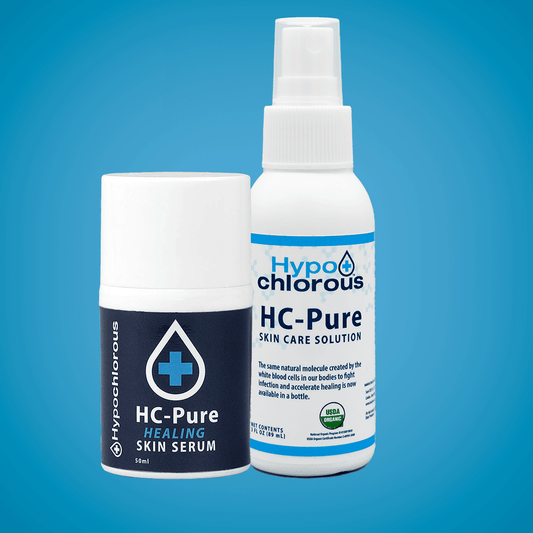
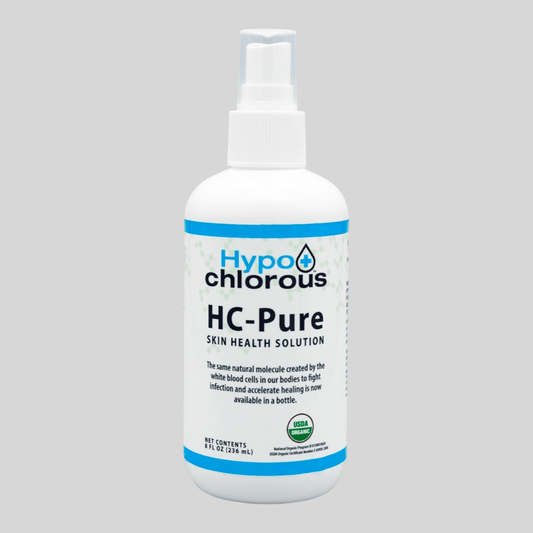
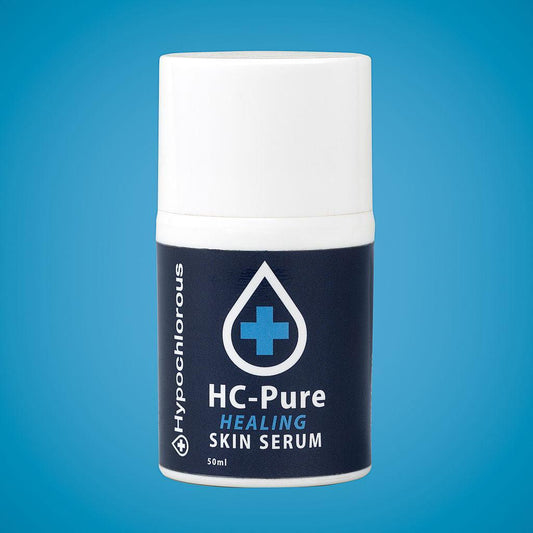
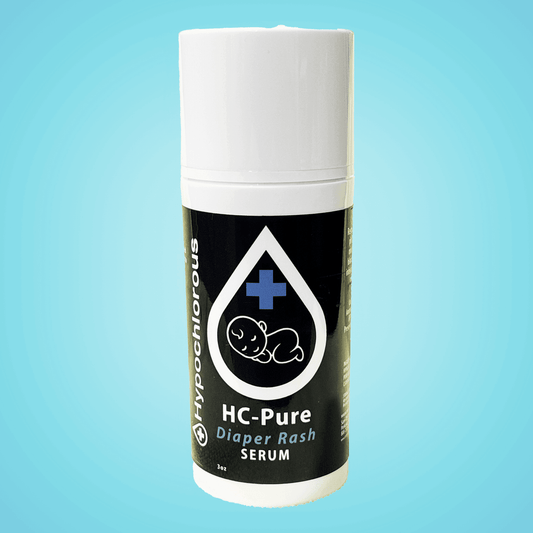
Hypochlorous Company was built around that idea: advanced chemistry that feels simple enough for everyday life. HOCl gives families a way to clean with confidence, without making harsh fumes and chemical residue part of the routine.
Start with one high-touch habit this week. Keep your disinfectant where the mess actually happens, use it according to the label, and make clean feel like care instead of compromise.