A bottle warmer splattered with milk. A stroller tray covered in snack crumbs. Teethers that land on the floor and go straight back into a tiny mouth. The best cleaner for baby gear has to handle real-life messes and everyday germ concerns without adding harsh fumes, sticky residue, or strong fragrance to the spaces where your baby eats, sleeps, and plays.
That rules out a surprising number of conventional cleaners. A product can smell “clean” and still leave behind ingredients you would rather not use around feeding supplies, toys, and high-touch baby surfaces. For parents reading every label, the goal is not to own more specialty products. It is to choose one effective, thoughtfully formulated cleaner and use it correctly.
What Makes the Best Cleaner for Baby Gear?
Baby gear is not one material. It is a mix of plastic toys, silicone teethers, fabric stroller seats, high-chair trays, changing pads, and hard-to-reach buckles. The right cleaner needs to be versatile enough for the routine, but gentle enough for the materials and the people using them.
Start with a formula that is fragrance-free and made without harsh chemical fumes. Fragrance may make a product feel fresh, but it does nothing to remove a milk spill, and it can be an unnecessary concern around babies with sensitive skin or families managing allergies. A low-residue cleaner matters, too, especially for surfaces babies mouth or touch all day.
You also want clarity about what the product is designed to do. Cleaning removes visible dirt, food, grease, and grime. Disinfecting is a separate process intended to reduce germs on hard, nonporous surfaces when the product is used according to its label directions and contact time. The best routine uses both ideas properly: remove the mess first, then disinfect when the situation calls for it.
Why Hypochlorous Acid Fits a Baby-Safe Routine
Hypochlorous acid, often called HOCl, is a powerful cleaning and hygiene ingredient with a biological connection that surprises many parents: it is a compound produced by white blood cells as part of the body's natural defense system. In a properly formulated household product, it can offer serious germ-fighting performance without relying on bleach, alcohol, or heavy fragrance.
That balance is why HOCl has become a smart choice for baby households. It is designed to be tough on everyday germ concerns while being a gentler option for the environments babies inhabit. Instead of rotating between an all-purpose spray, a bleach product, a deodorizer, and wipes with a lingering scent, parents can simplify the cabinet.
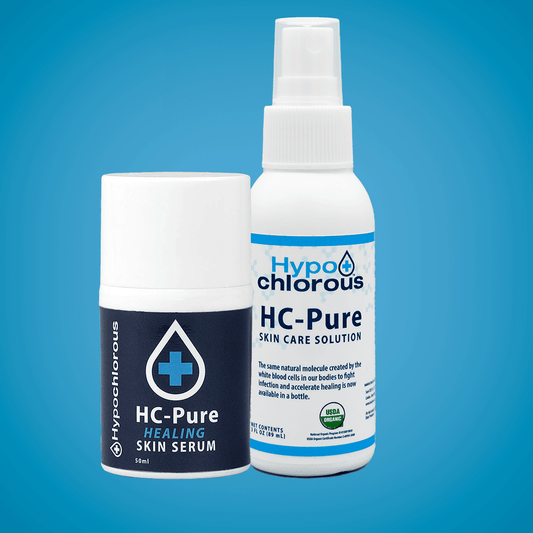
Hypochlorous Company makes this chemistry easy to use in the moments that actually matter: wiping down a high-chair tray before lunch, refreshing a changing station after a messy diaper change, or cleaning the toys that somehow travel from the car floor to the playroom. It is a practical upgrade, not another complicated parenting rule.
Look for These Four Things on the Label
The safest-looking package is not automatically the best option. Read past the front label and look for four details: intended use, ingredients, directions, and material compatibility.
First, make sure the product is appropriate for the surface you plan to clean. Hard, nonporous surfaces such as sealed plastic, trays, and many toy surfaces are different from porous fabric, unfinished wood, or electronics. A cleaning spray should never replace laundering for spit-up-covered cloth items or manufacturer-approved care for a car seat cover.
Second, check whether a product is meant only for cleaning or is also registered for disinfection. If you need disinfecting performance, follow the exact label directions, including any required pre-cleaning and contact time. Spraying and immediately wiping may be fine for routine cleaning, but it may not meet a disinfecting product's instructions.
Third, avoid assuming that “natural” means worry-free. Essential oils and botanical fragrances can still be irritating, particularly in a nursery or on items babies put near their faces. A simpler, fragrance-free formula is often the more thoughtful choice.
Finally, follow the gear manufacturer's instructions. Strollers, car seats, monitors, and baby swings may have specific cleaning rules that protect fabric coatings, buckles, harnesses, and safety labels. When in doubt, spot-test an inconspicuous area first.
How to Clean the Baby Items You Use Most
High Chairs, Trays, and Feeding Areas
Food residue comes first. Remove crumbs and wipe up puree, milk, or grease before applying your cleaner. Pay attention to tray edges, seams, straps, and the underside of the tray, where dried food can hide.
For surfaces that come into direct contact with food, use a product labeled for that use and follow its instructions. If the label calls for a water rinse, do it. If it does not, avoid adding extra steps out of habit. Correct use is safer and more effective than over-cleaning.
Toys and Teethers
Hard plastic and silicone toys collect saliva, crumbs, and whatever was on the floor five minutes earlier. Wash visibly dirty toys first. Then use a baby-appropriate cleaner according to the label, focusing on textured grooves and small parts.
Teethers require extra care because they go directly into the mouth. Never clean them with a product that is not intended for that type of use, and do not use harsh chemicals as a shortcut. For dishwasher-safe items, the manufacturer's washing instructions may be the best option.
Strollers, Car Seats, and Diaper Bags
These items are high-touch but often made from several materials. Wipe hard handles, plastic snack trays, exterior buckles, and other approved surfaces regularly. For fabric, follow the care tag and use a targeted laundry or upholstery approach when needed.
Car seat harness straps deserve special caution. Do not soak them, use bleach, or apply cleaners that could affect the fibers unless the manufacturer specifically allows it. Safety equipment should be cleaned carefully, not aggressively.
Changing Stations and Nursery Surfaces
A changing pad, dresser top, diaper pail exterior, and crib-side table benefit from frequent routine cleaning. Keep your cleaner within reach, but always store it securely out of a child's reach. A quick wipe after diaper changes prevents small messes from becoming dried-on problems.
For a crib, focus on non-sleep surfaces and follow the manufacturer's care guidance. Avoid saturating mattresses, cushions, or fabric components. Babies do not need a nursery that smells like chemicals to be clean.
A Smarter Cleaning Rhythm, Not Constant Cleaning
Parents have enough to do without disinfecting every object after every touch. A realistic routine protects your time and keeps cleaning focused where it has the most value.
Clean feeding surfaces before and after meals. Wipe high-touch gear such as stroller handles and changing stations daily or whenever visibly soiled. Wash toys after illness, after outdoor play, or when they are visibly dirty. Use disinfecting directions for hard surfaces when someone in the home is sick, after contamination, or when a specific hygiene concern makes it appropriate.
This approach avoids two common mistakes: ignoring the messy spots that truly need attention and overusing harsh products in the name of cleanliness. More chemicals do not automatically mean a cleaner home.
Common Mistakes to Skip
Do not mix cleaning products. Combining products can create irritating fumes or make them less effective. Use one product at a time, with ventilation as directed on the label.
Do not use a disinfectant on top of visible grime and expect it to work perfectly. Soil can interfere with contact between the formula and the surface. Wipe away the mess first.
And do not confuse “safe around babies” with “safe for babies to handle.” Store every household product securely, keep spray away from little hands and faces, and use each formula only as directed. Thoughtful cleaning is about reducing unnecessary exposure while maintaining real hygiene standards.
The best baby-gear cleaner earns its place on the counter because it makes the next right choice easy: clean the mess, follow the label, and get back to the baby who is already reaching for the toy again.