That red, itchy patch after cleaning the bathroom may not be a mystery. For many families, it is a signal that the products doing the cleaning are also bringing harsh fragrances, strong solvents, or lingering residue into the home. The right cleaner for sensitive skin households should handle real-life messes without turning every wipe-down into another possible irritant.
Sensitive skin is not limited to one person in the house, either. Babies, kids with eczema-prone skin, adults with fragrance sensitivities, and pets all spend time close to the floors, fabrics, counters, toys, and bedding you clean. Choosing better chemistry is not about lowering your standards. It is about getting high-performance clean without relying on a cabinet full of harsh chemicals.
Why conventional cleaners can be hard on sensitive skin
A clean-looking surface does not always mean a skin-friendly one. Many conventional household products contain added fragrance, dyes, bleach, alcohol, quaternary ammonium compounds, or powerful degreasers. Each ingredient has a purpose, but repeated exposure can be a problem for people with already reactive or compromised skin.
The issue is often not a single use. It is the everyday buildup of contact: freshly sprayed counters, residue on high chairs, a floor where babies crawl, pet bowls, laundry, and hands that have been washed or wiped throughout the day. Fragrance can be especially difficult to identify because it may represent a blend of ingredients rather than one clearly named component.
This does not mean every household needs to fear every cleaning product. It does mean labels matter, ventilation matters, and the product you choose should match both the job and the people living around it.
What a cleaner for sensitive skin households should do
The goal is simple: remove soil and address germs effectively while minimizing unnecessary exposure. A thoughtful cleaning routine starts with fewer ingredients, fewer separate bottles, and fewer heavily fragranced formulas competing for space under the sink.
Look for a cleaner that is designed to be low-odor or fragrance-free, dye-free, and clear about what it contains. Avoid treating vague claims like "green" or "natural" as proof that a formula is right for sensitive skin. Natural ingredients can still cause reactions, and some plant-based essential oils are strongly scented or irritating for certain people.
Performance should still come first. A gentle product that cannot clean common household messes creates its own problem: you may end up using more product, scrubbing harder, or reaching for harsher backup chemicals. The best option earns a place in your daily routine because it can handle the surfaces you touch most.
Why hypochlorous acid makes sense for everyday cleaning
Hypochlorous acid, often called HOCl, offers a different approach. It is a molecule your own white blood cells naturally produce as part of the body's immune response. When formulated properly, HOCl can provide powerful cleaning and disinfecting support without the heavy fragrance and harsh chemical profile many sensitive households are trying to avoid.
That biology matters, but practical use matters more. A high-quality hypochlorous acid cleaner can simplify the jobs that usually require separate sprays: wiping kitchen counters, refreshing bathroom surfaces, cleaning baby gear, handling pet-area messes, and maintaining frequently touched surfaces around the home.
For disinfection, always follow the product label exactly, including the stated contact time. Cleaning and disinfecting are related but different steps. If a surface has visible dirt, food, grease, or grime, remove that first so the disinfectant can work as intended. An EPA-registered product should clearly state the organisms it is approved to kill and the directions required to do it.
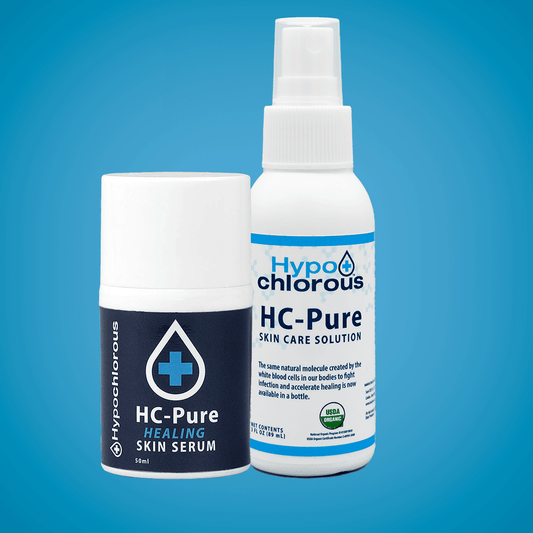
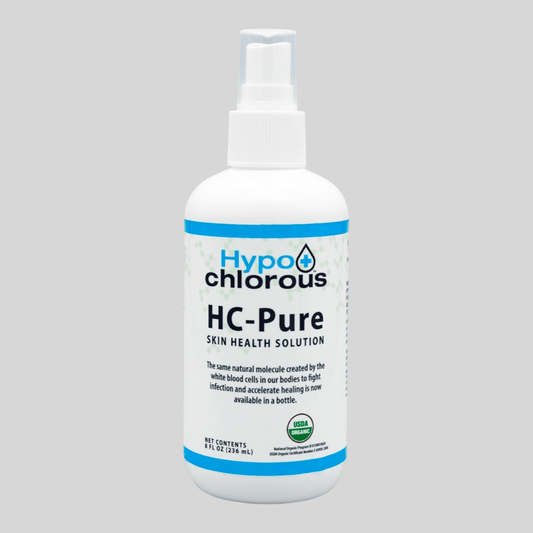
TryHypo is built around this kind of practical versatility: one powerful active ingredient that helps reduce the need for multiple harsh household products.
Make the switch without overcomplicating your routine
You do not need to throw out every bottle in one dramatic weekend. Start with the products you use most often and the places where skin contact is hardest to avoid.
Begin in the kitchen, where cleaning residue can end up near food-prep areas, dishes, high-chair trays, and little hands. Then move to bathrooms, especially sink handles, toilet handles, counters, and tubs. Finally, look at the overlooked contact zones: doorknobs, light switches, phones, remotes, pet crates, and workout equipment.
For fabrics and laundry, the equation can be more personal. Some people react most strongly to scented detergent, fabric softener, or fragrance boosters rather than surface cleaner. Switching to fragrance-free laundry products and avoiding unnecessary additives may make as much difference as changing what you use on counters.
The bigger win is consistency. When your routine relies on one multipurpose cleaner you trust, you are more likely to clean high-touch areas regularly without exposing your household to a rotating mix of strong scents and residues.
Read labels with a sensitive-skin mindset
A product label should make you feel informed, not make you work like a chemist. Still, a few details are worth checking before you bring a cleaner home.
First, find out whether fragrance is added. “Unscented” may mean a fragrance was used to mask the smell of other ingredients, while “fragrance-free” generally means no fragrance was intentionally added. Policies and formulations vary, so read the full ingredient information when available.
Next, check how the product is meant to be used. A surface cleaner is not automatically intended for skin, and a skin spray is not automatically a registered hard-surface disinfectant. Use each product only as directed. This protects both your family and the performance you expect from the formula.
Also consider packaging and storage. Keeping cleaning products simple does not mean leaving them within reach of children. Store every household cleaner securely, follow dilution instructions if applicable, and never mix products. Mixing cleaners can create irritating or dangerous fumes, especially when bleach, ammonia, or acids are involved.
Sensitive skin still deserves a personal approach
Even a thoughtfully formulated cleaner is not a universal guarantee. Skin sensitivity has many causes, from eczema and allergies to frequent handwashing, workplace exposure, and medication. If someone in your home has a known allergy or a serious skin condition, it is smart to speak with their clinician about the products used most often around them.
For a new product that may touch skin indirectly through surfaces, bedding, or laundry, introduce it gradually. Watch for changes such as burning, itching, dryness, rashes, watery eyes, or respiratory discomfort. Stop using a product that appears to trigger a reaction, even if it is marketed as gentle.
This is also where “more” is not always better. Use the amount directed on the label. Overapplying any cleaning product can leave excess moisture or residue and may create unnecessary exposure. A clean home should support the people in it, not ask them to tolerate discomfort as the cost of hygiene.
A cleaner home can mean fewer compromises
Sensitive-skin households are often asked to choose between products that feel gentle and products that actually perform. That is the old choice. Better options let you question why a basic cleaning routine should require synthetic fragrance, aggressive fumes, and a different bottle for every room.
A powerful, well-formulated hypochlorous acid cleaner can help you reduce clutter under the sink while keeping the surfaces your family touches every day clean and cared for. Start with one high-contact area, use the product as directed, and pay attention to how your home feels after the switch. Clean should feel like relief, not another thing your skin has to recover from.