A cleaner label is a smart place to start. But natural cleaning ingredients are not all built to do the same job. Baking soda can help lift odors. Soap can remove everyday grime. Vinegar can tackle mineral buildup. None of those facts automatically means they disinfect surfaces or provide the germ protection your household needs.
For parents, pet owners, and anyone trying to reduce harsh chemical exposure at home, the goal is not to collect a cabinet full of DIY solutions. It is to choose ingredients that are effective for the task, practical to use often, and appropriate around the people and animals you care for.
Why “natural” is only part of the answer
The word natural can be useful, but it is not a performance standard. A plant-derived ingredient may smell fresh while doing very little against grease. An acidic ingredient may remove hard-water scale but damage the wrong surface. Essential oils can add fragrance, yet fragrance is not the same as cleaning or disinfecting.
A better question is: What do you need the product to do? Cleaning removes visible soil, oils, and residue. Deodorizing helps control smells. Disinfecting is designed to kill specific germs on hard, nonporous surfaces when used according to its label directions. Those jobs overlap sometimes, but they are not interchangeable.
This distinction matters most in high-touch and high-mess areas: kitchen counters, bathroom fixtures, trash cans, pet spaces, baby gear, and dental appliances. For these jobs, a product should deliver more than a clean-looking surface. It should earn a place in your routine through real performance and a safety profile that fits family life.
Natural cleaning ingredients by job
Soap and plant-based surfactants for everyday soil
Soap works because it contains surfactants, ingredients that help loosen oils and suspend dirt so it can be wiped or rinsed away. This makes a simple soap-based cleaner a strong choice for ordinary messes: muddy paw prints, food splatters, fingerprints, and the film that builds up on frequently used surfaces.
The trade-off is that soap can leave residue if you use too much or skip a final wipe. It also does not make a disinfectant claim by itself. Think of it as a reliable first step when a surface is visibly dirty, especially before you use a disinfecting product where one is needed.
Baking soda for odor and gentle scrubbing
Baking soda is a familiar household ingredient for a reason. Its mild abrasive texture can help with stuck-on messes, while its odor-neutralizing properties make it useful in refrigerators, trash bins, shoes, and some fabric situations.
It is not a cure-all. Baking soda will not replace a registered disinfectant for germ control, and aggressive scrubbing with any powder can dull delicate finishes. Use a light hand on polished stone, specialty coatings, and easily scratched surfaces.
White vinegar for mineral buildup
White vinegar is acidic, which is why it can be helpful against hard-water marks, soap scum, and mineral deposits around faucets and shower doors. For homes with hard water, it can be a simple tool for restoring shine to certain bathroom surfaces.
However, vinegar is not appropriate everywhere. It can etch natural stone, including marble and travertine, and may harm some grout, wood finishes, and appliance components. It should never be mixed with chlorine bleach. It is also not an EPA-registered disinfectant, so do not rely on it when you need verified disinfection.
Citric acid for scale and hard-water film
Citric acid is another acid-based option often used to address mineral deposits. It can be especially useful in cleaning routines for glass, fixtures, and appliances when the manufacturer allows it. Like vinegar, it is best reserved for the jobs it is designed to do.
Acids are excellent at breaking down scale. They are not a universal solution for food residue, greasy stovetops, or household germ concerns. Using one multipurpose product for every job may sound simple, but the right kind of simplicity is fewer products that actually perform - not one weak product forced into every role.
Hypochlorous acid for high-touch hygiene
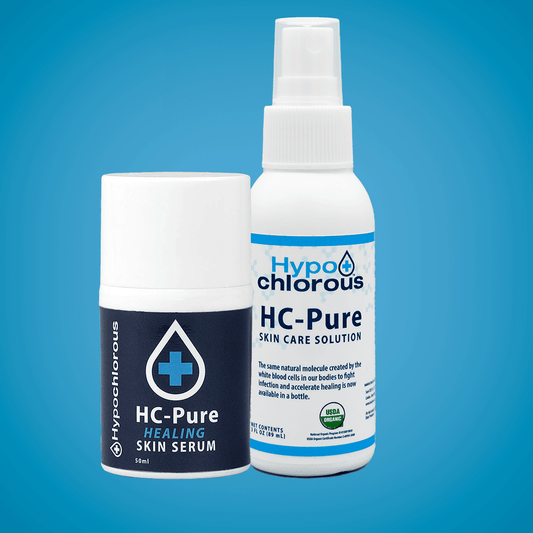
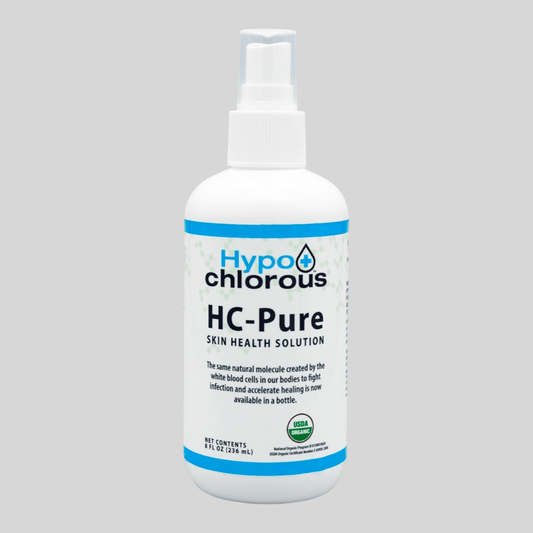
Hypochlorous acid, often called HOCl, is a different kind of ingredient. Your body naturally produces it as part of its immune response, and properly formulated HOCl can be used in household and personal-care settings without the harsh fumes or heavy residue associated with many conventional cleaners.
For a busy household, that can mean one more confident option for high-touch surfaces, baby items, pet areas, bathroom touchpoints, and everyday hygiene tasks. The key is using a product made and labeled for the intended application. EPA registration matters when you are looking for disinfecting claims, while skin and oral-care products should be formulated and labeled specifically for those uses.
HOCl is not a homemade vinegar substitute, and it should not be treated like one. Its effectiveness depends on formulation, concentration, pH, packaging, storage, and contact time. That is why a professionally made solution is a smarter choice than trying to recreate advanced chemistry at home.
The mistakes that make clean living harder
The biggest mistake is assuming more ingredients means more cleaning power. Layering scented sprays, essential oils, powders, acids, and disinfectants can create residue, conflicting directions, and a routine nobody wants to repeat. Your home does not need to smell like a chemical aisle to be clean.
Another common problem is mixing products. Never combine cleaning products unless the label explicitly says you can. In particular, bleach should not be mixed with vinegar, ammonia, acids, or other cleaners. Natural does not automatically mean risk-free, and household chemistry deserves respect.
Finally, do not skip the practical basics. Remove visible mess first. Follow the label. Let a disinfecting product remain wet for its required contact time. Store products away from children, and use the right cleaner for the material in front of you. These steps make a bigger difference than trendy ingredients ever will.
How to build a lower-toxin cleaning routine
Start by reducing duplicates. A dependable soap-based cleaner can cover everyday dirt. A targeted acid-based product can handle occasional mineral scale on compatible surfaces. A mild scrubber such as baking soda can help with odors and stuck-on residue. Then add a high-efficacy HOCl product for the hygiene moments that call for more than a wipe-down.
That approach is easier on your cabinets, your budget, and your decision-making. You do not need a separate bottle for every room if you choose products based on function instead of marketing claims. Look for transparent ingredient information, clear directions, appropriate registrations or certifications, and packaging that helps preserve product quality.
If fragrance sensitivity, asthma, babies, or pets are part of your household, choose fragrance-free options whenever possible. A product does not need a sharp perfume to signal that it is working. Clean can be calm, low-residue, and ready for real life.
A smarter standard for natural cleaning
The best natural cleaning ingredients are not the ones with the most viral DIY hacks behind them. They are the ones that solve a real household problem without adding unnecessary exposure, confusion, or clutter.
At Hypochlorous Company, that standard starts with practical protection: products designed to help you clean and disinfect with confidence around the spaces your family actually uses. Choose gentle ingredients for gentle jobs, choose verified efficacy when germs are the concern, and let your cleaning routine make home feel safer - not more complicated.