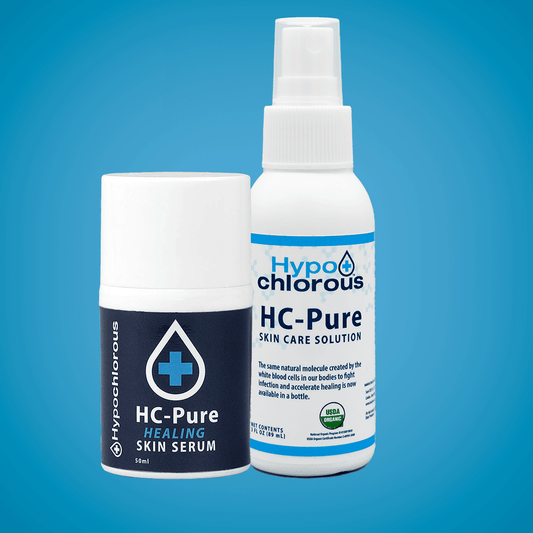
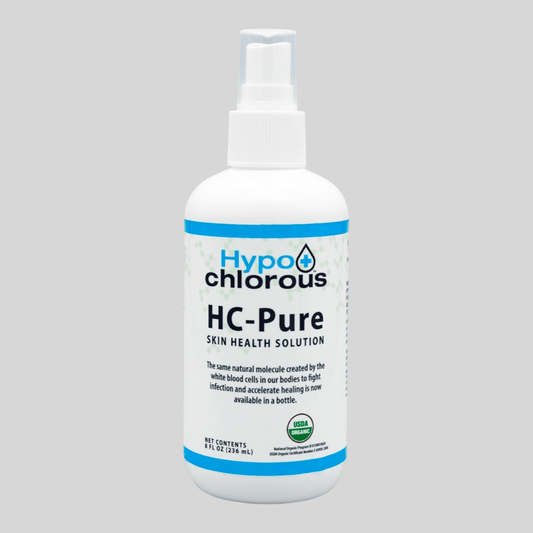
A bottle of hypochlorous acid can look perfectly clear long after its germ-fighting power has started to fade. That is why hypochlorous acid shelf life matters. If you choose HOCl to protect your family, pets, skin, and home without relying on harsh chemical fumes, proper storage is part of getting the performance you paid for.
HOCl is a powerful yet naturally occurring molecule. Your immune system produces it as part of its defense against microbes. But unlike many conventional cleaners that can sit unchanged for years, hypochlorous acid is inherently reactive. That reactivity is part of what makes it effective. It is also why light, heat, air exposure, and the wrong container can gradually reduce its strength.
The good news: you do not need a chemistry degree to care for it. Follow the product label, store it thoughtfully, and treat the expiration date as your clearest guide.
What determines hypochlorous acid shelf life?
Hypochlorous acid does not have one universal shelf life. A properly formulated, professionally packaged HOCl product can remain effective for a long period when stored as directed. A freshly made solution in an unprotected spray bottle may lose potency much faster.
The difference comes down to formula stability and packaging. HOCl products are carefully balanced for pH, purity, concentration, and other formulation factors. Those details help keep hypochlorous acid in its active form. The bottle matters just as much. Opaque or UV-protective packaging helps shield the solution from light, while a well-designed cap and sprayer limit unnecessary exposure to air and contaminants.
This is one reason not to assume that every homemade or generic electrolyzed-water solution performs like a tested, ready-to-use product. Making HOCl is not the same as creating a stable, consistently effective product with a verified shelf life.
The four biggest threats to HOCl potency
Light can break down active HOCl
Sunlight and strong indoor light can accelerate degradation. Leaving a bottle on a sunny windowsill, in a bright car, or near a heat-producing appliance is a bad trade for convenience. It may still look normal, but the active ingredient can become less reliable over time.
Keep your bottle in its original container whenever possible. That packaging was selected to help protect the formula. If you transfer product to another bottle, you may sacrifice the light protection and closure design that support its shelf life.
Heat speeds up the clock
Heat makes many chemical reactions happen faster, including the reactions that cause HOCl to lose strength. A garage in summer, a hot car, a shed, or a cabinet next to the oven are not ideal storage spots.
Room temperature storage is typically the smart default unless your label says otherwise. You do not need to refrigerate every hypochlorous acid product, and freezing can create its own issues. Avoid extremes and give the bottle a cool, stable place inside your home.
Air and contamination affect stability
Every time a bottle is left uncapped, exposed to dirty surfaces, or refilled carelessly, you create an opportunity for contamination or unnecessary air exposure. That does not mean you need to treat your cleaner like a laboratory sample. It does mean the basics matter: close the cap, avoid touching the sprayer opening to dirty surfaces, and use clean, compatible refill containers.
Never pour used product back into the original bottle. Once a solution has been applied to a surface or dispensed into another container, it should not go back into fresh product.
The wrong container can work against the formula
HOCl is not a product to store in just any spare spray bottle. Some materials are not designed for long-term compatibility, and clear bottles offer little protection from light. Metal containers can also be unsuitable depending on the formula and metal type.
Use the original bottle or the refill system provided for your specific product. This is especially important for products you use around baby gear, pet areas, dental appliances, or skin. You want the formula to remain as intended from the first spray to the last.
Shelf life versus time after opening
The expiration date on the label is the primary date to follow. It reflects the manufacturer's stability testing and applies when the product has been stored as directed. For most households, that date matters far more than trying to calculate how many weeks have passed since the first spray.
Still, storage after opening counts. A bottle opened occasionally, capped promptly, and kept in a cool, dark cabinet will generally have a much easier life than one used daily and left in a steamy bathroom or hot car. If your label includes a period-after-opening recommendation, follow that instruction along with the printed expiration date.
For high-use products, this is usually simple. You will use the bottle well before its expiration date. For a backup bottle, keep it sealed in a cool, dark cabinet until you are ready for it.
How to store hypochlorous acid at home
A safe, effective routine is refreshingly straightforward. Keep HOCl in its original, closed container. Store it indoors at a stable room temperature, away from direct sun and sources of heat. Do not leave it in a car, beside a window, or in an outdoor storage area where temperatures swing wildly.
After spraying, make sure the nozzle is set properly and the cap is secure if your bottle has one. Wipe away residue from the outside of the sprayer rather than rinsing the whole bottle or introducing water into the container. When refilling, use only the compatible refill process and bottle intended for that formula.
It is also wise to keep your cleaning cabinet organized. Place older bottles in front so you use them first, and write the purchase date on a backup bottle if that helps your household rotate products. This is not about being overly precious with your cleaner. It is about making sure your safer choice stays dependable when you need it.
Can you tell when HOCl has expired?
Not reliably by sight or smell. Hypochlorous acid solutions are often clear, and a product can appear unchanged even when its active concentration has declined. A missing scent is not proof of lost effectiveness either. HOCl is valued in part because it does not rely on heavy fragrance to signal that it is working.
The label date and storage history are more useful than a visual guess. If a product is past its expiration date, has been stored in high heat or direct sun for an extended period, or has been transferred into an unknown container, replace it rather than depending on it for a task where disinfection performance matters.
Do not try to "boost" an older bottle by adding bleach, vinegar, alcohol, essential oils, or another cleaner. Mixing cleaning products can create unnecessary hazards and can make the formula unpredictable. Use HOCl as directed, on the surfaces and for the contact time listed on its label.
Why expiration dates protect more than product quality
When you use hypochlorous acid on kitchen counters, toys, pet spaces, gym gear, bathroom surfaces, or personal-care items, you are choosing it for a reason: effective hygiene without the harsh residue, overpowering fragrance, or corrosive feel of conventional chemical cleaners.
That promise depends on the product maintaining its intended strength. An expiration date is not a marketing trick designed to make you buy more. It is a practical performance boundary. Respecting it helps ensure you are getting the germ-fighting benefit the product was designed and tested to deliver.
For skin-focused or sensitive-use products, following the date and storage directions is equally sensible. These formulas are made for specific uses, so use them exactly as labeled and do not substitute an old household bottle for a product intended for personal care.
Make your safer cleaning routine count
A well-made HOCl product gives you a simpler way to handle everyday messes and hygiene concerns across the home. But simple does not mean careless. Keep it cool, keep it out of direct light, keep it in the right bottle, and use it before the printed expiration date.
That small amount of care protects the reason you made the switch in the first place: reliable, family-conscious cleaning that does not ask you to choose between powerful performance and a healthier home.