That dog bed in the corner does more than collect fur. It holds skin oils, tracked-in dirt, saliva, dander, and the occasional accident - all in a spot where your pet rests with their nose and skin pressed close to the fabric. Learning how to sanitize pet bedding is less about making it smell intensely “clean” and more about removing buildup and reducing germs without leaving behind harsh chemical residue.
A cleaner pet bed can support a fresher home, help manage odors, and make life more comfortable for pets with sensitive skin. The best routine is simple: remove the mess, wash or clean according to the material, sanitize with a pet-conscious product when appropriate, and let everything dry completely before your pet uses it again.
Start by Knowing What You’re Cleaning
Not all pet bedding can handle the same routine. A removable cotton or polyester cover is usually washer-friendly, while memory foam inserts, orthopedic beds, crate pads, fleece blankets, and plush toys may need more care. Check the care tag before using hot water, high heat, or any sanitizer.
The goal matters, too. A bed covered in fur and everyday dirt needs routine laundering. A bed soiled by urine, vomit, diarrhea, or a pet recovering from an illness needs a more thorough clean before sanitizing. Sanitizers and disinfectants work best on a surface that is already free of visible soil. Spraying a dirty bed may freshen it temporarily, but it does not replace washing away the source of odor and contamination.
How to Sanitize Pet Bedding Step by Step
1. Remove hair, crumbs, and loose debris first
Take the bed outside if possible and shake it out. Use a vacuum with an upholstery attachment to pull fur, dust, and dander from seams, zippers, and tufted areas. For stubborn hair, a damp rubber glove or pet-hair brush can help lift it before washing.
This step is worth the extra minute. Excess fur can trap oils and odor in the fabric, clog your washer, and keep detergent from reaching the areas that need cleaning most.
2. Treat accidents before they set
For fresh urine, vomit, or stool, blot up as much material as possible with paper towels or a washable cloth. Avoid rubbing, which can push the mess deeper into foam and fabric. Then use an enzyme-based pet stain treatment if the care label allows it. Enzymes are especially useful for urine because they help break down odor-causing organic matter rather than just covering it with fragrance.
Let the treatment work for the amount of time directed on its label. If a stain remains after washing, repeat the treatment instead of drying the item on high heat. Heat can set some stains and make them much harder to remove.
3. Wash removable covers in the warmest safe setting
Machine-washable covers, blankets, and crate pads should be washed separately from family laundry when heavily soiled. Use the warmest water temperature the manufacturer allows and a fragrance-free detergent. Fragrance may make fabric smell “fresh,” but it can also irritate pets and mask a bed that still needs a deeper clean.
Skip fabric softener. It can coat fibers, reduce absorbency, and leave behind residue that is not necessary for a clean pet bed. If odor lingers after a normal wash, run an extra rinse cycle. For washable bedding with persistent odor, a laundry booster formulated for pet environments can be a useful addition, provided it is compatible with the fabric and washer instructions.
4. Clean foam inserts and non-washable beds carefully
Large foam beds and orthopedic inserts cannot always go in the washer. Start by vacuuming both sides and cleaning any stains with a small amount of pet-safe cleaner on a cloth. Do not soak foam unless the manufacturer specifically says it can be saturated. Water trapped deep inside can lead to mildew, lingering odor, and a bed that never fully dries.
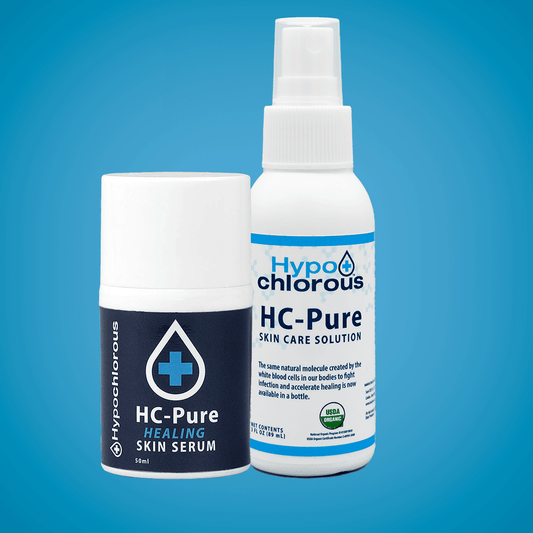
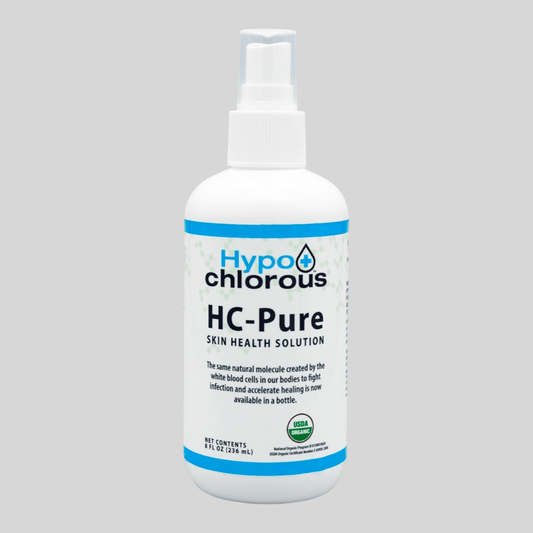
For surface sanitation, use a product labeled for the surface and follow its directions exactly, including the required contact time. Hypochlorous acid-based formulas can be a smart low-tox option for many pet areas because HOCl is effective against a broad range of germs without relying on bleach fumes or heavy fragrance. Hypochlorous Company offers HOCl solutions designed for everyday home and pet-area hygiene, but any product you choose should be used according to its label.
Do not spray a bed while your pet is lying on it. Remove your pet, apply the product evenly as directed, and allow the bed to dry fully before use. “Pet-safe” does not mean instructions no longer matter.
5. Dry completely, not just until it feels dry on top
Complete drying is one of the most overlooked parts of sanitizing pet bedding. Damp padding and foam can hold odor and create an environment where mildew thrives. Tumble-dry washable covers on the heat setting approved by the label, or air-dry them in a bright, well-ventilated area.
For thick beds, unzip covers and separate inserts whenever possible. Press towels into damp foam to pull out moisture, then stand the insert on its edge so air can circulate around both sides. A fan can speed things up. Before putting the bed back together, press into the center and smell the fabric. If it feels cool, damp, or musty, it needs more time.
How Often Should You Clean Pet Bedding?
For most healthy pets, wash bedding every one to two weeks. That schedule may need to move up to weekly, or even more often, if your pet sheds heavily, spends time outdoors, sleeps in your bed, has allergies, or is prone to accidents.
Wash immediately after diarrhea, vomiting, fleas, a suspected skin infection, or an accident that soaks into the bed. If your pet has a contagious condition, ask your veterinarian what cleaning and disinfecting measures are appropriate. Some illnesses require more than an everyday sanitation routine, especially in multi-pet homes.
Between washes, vacuum the bed every few days, spot-clean visible messes promptly, and wash blankets or crate liners more frequently than the full bed. This small maintenance routine keeps grime from becoming a deep-clean project.
What Not to Use on Pet Bedding
A strong smell is not proof of a sanitary bed. In fact, heavily fragranced sprays can be a poor fit for pets, whose sense of smell is far more sensitive than ours. Avoid using products that are not labeled for the material or that leave a residue where your pet sleeps.
Be cautious with chlorine bleach, ammonia-based cleaners, concentrated essential oils, and heavily perfumed deodorizing products. Bleach can discolor or weaken fabrics and may be irritating if residue remains. Ammonia has an odor that can resemble urine to some pets, which is not helpful when you are trying to discourage repeat accidents. Essential oils are not automatically pet-safe, particularly around cats and small animals.
Never mix cleaning products. Combining chemicals can create irritating or dangerous fumes, and it does not make a bed cleaner. One appropriate cleaner, used correctly, is safer than layering multiple products.
Keep the Bed Cleaner for Longer
A washable blanket over your pet’s favorite bed can cut down on full-bed laundry. It catches fur, drool, and muddy paw prints, and it is much easier to toss in the wash every few days. Keep a second cover or spare blanket on hand so your pet is never left without a familiar place to rest while the bedding dries.
Also look at what your pet brings to the bed. Wiping paws after walks, brushing regularly, and cleaning collars, harnesses, and favorite toys can reduce the dirt and odor that transfer to bedding. If a bed develops a persistent smell soon after cleaning, inspect the foam insert, nearby carpet, and the pet’s skin or ears. The source may not be the cover at all.
A clean pet bed should smell like almost nothing. That is the standard worth aiming for: bedding that is visibly clean, fully dry, comfortable to lie on, and free from the harsh residues your pet never asked to sleep in.