A disinfectant can make a floor look spotless while leaving behind fumes, fragrance, or residue you do not want on paws, fur, or the blanket your dog drags across the room. The best pet safe disinfectants do more than smell clean. They kill germs when used correctly while fitting the real conditions of a home shared with animals.
That distinction matters. Pets live close to surfaces, groom themselves constantly, and can be far more sensitive than people to strong scents and chemical residue. A smarter cleaning routine protects your home from germs without turning every crate, couch cover, and food-bowl splash zone into a chemical concern.
What “Pet Safe” Should Actually Mean
“Pet safe” is not a regulated promise that guarantees a product is right for every animal, every surface, or every use. It should mean the product has clear directions, an ingredient profile you can understand, and a safety approach that does not rely on leaving harsh chemicals where pets eat, sleep, lick, and play.
The first rule is simple: safe use still matters. Keep pets away while you clean, use the product only as directed, allow the required contact time, and let surfaces dry before your pet returns. If the label calls for rinsing a food-contact surface, rinse it. If it is not intended for direct application to animals, do not use it on fur, paws, wounds, or skin.
A product can be gentle in everyday use and still need sensible handling. The goal is not to treat every cleaner as dangerous. The goal is to choose one that earns a place in a pet home through credible efficacy and fewer unnecessary trade-offs.
The Ingredients Behind the Best Pet Safe Disinfectants
Hypochlorous acid: powerful chemistry, familiar biology
Hypochlorous acid, often called HOCl, is a compelling choice for pet households because it is the same type of molecule produced by the body’s immune system to help fight microbes. In a properly formulated surface disinfectant, it can deliver serious germ-killing performance without the heavy fragrance and harsh feel many families associate with conventional cleaners.
That makes it especially useful for the places that get messy fast: kennel floors, litter-area surfaces, washable toys, muddy paw prints, bathroom floors, and the spot where a pet had an accident. Look for a formulation that is EPA-registered for disinfection if your goal is to kill specific germs on hard, nonporous surfaces. Registration and label directions matter more than a broad marketing claim.
HOCl is also a practical way to simplify the cleaning cabinet. Rather than reaching for one product for the kitchen, another for the crate, and another for toys, a properly labeled multipurpose formula can reduce product clutter without lowering your standards.
Accelerated hydrogen peroxide: effective with a few conditions
Hydrogen peroxide-based disinfectants can be a solid option for hard surfaces when they are formulated and labeled for the job. They tend to break down into simpler components, but that does not mean every peroxide product is interchangeable. Concentration, contact time, and the full formula determine how it should be used.
Use it exactly according to the label, especially around fabric, colored surfaces, and areas your pet may lick. Some formulas can lighten materials or cause irritation if misused. Store them securely, as you would any cleaning product.
Botanical disinfectants: natural does not automatically mean gentle
Plant-derived ingredients can sound like the obvious clean-living choice, but “botanical” is not a safety guarantee. Certain essential oils and concentrated fragrance ingredients can be problematic around pets, particularly cats and small animals. A pleasant scent for humans can be overwhelming in a pet’s enclosed space.
If you choose a botanical disinfectant, skip vague claims and read the full label. Confirm that it is intended for the surface you are treating, follow ventilation instructions, and avoid applying it where pets will immediately lick or lie down. Fragrance-free is often the simpler choice for sensitive homes.
Ingredients Worth Treating With Extra Care
Strong conventional products can have a role in specific situations, but they are rarely the easiest everyday answer for a pet household. Bleach can disinfect, yet its fumes, potential for surface damage, and risks when mixed with other cleaners make it a high-maintenance option. Never mix bleach with ammonia, acids, urine, or any other cleaner.
Quaternary ammonium compounds, often listed as “quats,” are common in disinfectants. They can be effective, but pet owners should pay close attention to directions around residue, dilution, ventilation, and re-entry. These products are not automatically off-limits, but they may not align with a low-residue routine for frequently licked or pawed surfaces.
Alcohol-based sprays can be useful for some small hard surfaces, though they often evaporate quickly. If a label requires a surface to remain wet for several minutes, alcohol may not be the most practical choice for a large floor or crate. It is also flammable and not intended for use near pet food, water, or animals.
Clean First, Then Disinfect
A common mistake is spraying disinfectant directly over visible dirt, food, urine, or fur and assuming the job is done. Organic mess can block a disinfectant from reaching germs. For accident areas, remove the mess first, clean the surface, then disinfect if the surface and product label allow it.
This is particularly important around litter boxes, vomit, diarrhea, and raw-food prep areas. Use disposable towels or a dedicated washable cloth, then wash your hands afterward. For porous materials such as carpet, upholstery, untreated wood, or fabric pet beds, a hard-surface disinfectant may not be appropriate. Follow the care instructions and use a product designed for that material.
Disinfecting is not necessary for every dust bunny or paw print. Regular cleaning handles most daily messes. Save true disinfection for higher-risk moments: illness in the home, accidents, parasite concerns, raw-food contamination, shared pet equipment, or heavily used areas that need a more thorough reset.
How to Choose a Pet-Safe Disinfectant That Works
Start with the surface, not the bottle color or the front-label promise. Nonporous hard surfaces such as sealed tile, laminate, stainless steel, plastic crates, and washable trays are the usual places disinfectants perform as intended. Check that the product is compatible with the material before treating a large area.
Next, look for a specific EPA registration and an approved use label when you need disinfection. The label tells you what organisms the product is proven to kill, how long the surface must stay visibly wet, whether rinsing is required, and where it can be used. A cleaner, deodorizer, and disinfectant are not always the same product.
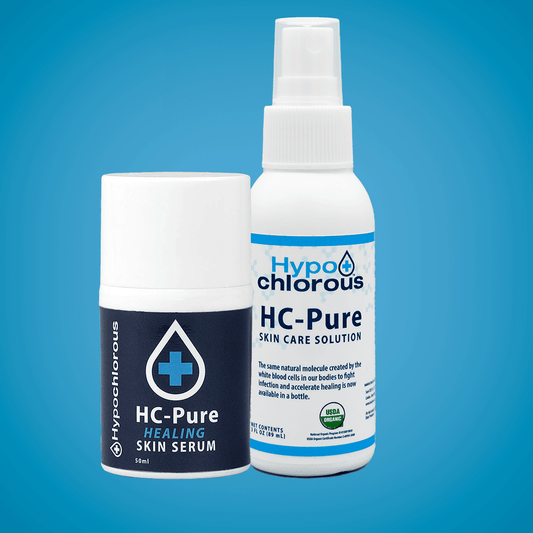
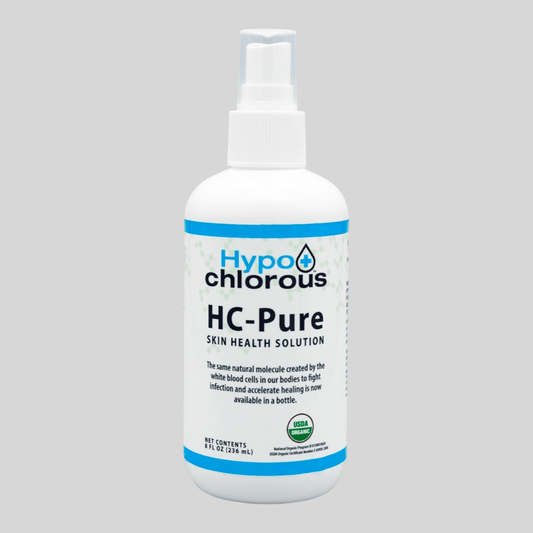
Finally, think about your household’s actual habits. If you have a curious puppy who licks the floor, a cat with respiratory sensitivity, or a toddler and dog sharing the same playroom, fragrance-free and low-residue options make everyday decisions easier. Hypochlorous Company offers HOCl-based solutions built around that practical standard: high-efficacy cleaning support without building a home routine around harsh chemical exposure.
A Better Routine for Pet Areas
For bowls and water fountains, wash away food residue first. Disinfect only with a product whose label permits that use, then rinse thoroughly if directed. Drying also helps limit microbial growth.
For crates, carriers, and litter-area exteriors, remove bedding and visible debris before cleaning. Treat the hard, nonporous surfaces according to the required contact time, then let them dry fully before putting bedding back or allowing your pet inside.
For toys, check the material. Smooth rubber and hard plastic are generally easier to clean than rope, plush, or cracked toys. Discard items that cannot be cleaned effectively after exposure to diarrhea, vomit, or suspected contagious illness.
For floors, focus on entryways, feeding areas, and the routes pets use after outdoor walks. You do not need to disinfect the entire house every day. Consistent cleaning plus targeted disinfection is more realistic, more responsible, and easier to maintain.
Do Not Forget Storage and Timing
Even the gentlest household disinfectant belongs out of reach of pets. Keep bottles closed, store refills securely, and never leave a bucket, soaked cloth, or open spray bottle where an animal can drink from it. Avoid spraying directly into the air around birds, reptiles, and other especially sensitive animals.
When a pet is sick, ask your veterinarian about the right cleaning protocol for that illness. Some pathogens require specific products, contact times, or repeat cleaning. A disinfectant is only effective when it is matched to the germ, the surface, and the instructions.
Your home does not need to smell like a chemical aisle to be genuinely clean. Choose a disinfectant with proven performance, use it with care, and give your pets the simple benefit they deserve: a home that is clean enough to protect them and gentle enough to feel like home.