That sharp bleach smell can feel like proof that a room is clean. But for parents, pet owners, and anyone managing a health-conscious home, the trade-off is hard to ignore: harsh fumes, surface compatibility concerns, accidental splashes, and a bottle that must stay far from curious hands. The real question in bleach versus natural sanitizers is not whether you care about killing germs. It is whether your daily cleaning routine can deliver that protection without bringing unnecessary chemical stress into your home.
Bleach still has a role in certain high-risk situations. But it is not automatically the best answer for every counter, toy, pet area, bathroom surface, or reusable item you touch every day. Hypochlorous acid offers a different path: serious germ control from an ingredient your own immune system produces.
What bleach does well - and where it falls short
Household bleach is typically a sodium hypochlorite solution. When used at the correct dilution and contact time, it can disinfect many hard, nonporous surfaces. That matters after certain illness events, mold-related cleanup, or when a specific public-health or product label instruction calls for bleach.
The problem is that “strong” is not the same as “best for everyday use.” Bleach can irritate skin, eyes, and airways, especially in poorly ventilated spaces. Its odor can linger, it may discolor fabrics and damage finishes, and it is not a product you want casually sprayed around a baby’s play area or a pet’s bed.
Bleach also demands careful handling. Never mix it with ammonia, acids, vinegar, or other cleaners. Dangerous gases can form. Even when it is used correctly, bleach is a single-purpose solution for many households: useful for a limited set of cleaning jobs, but not ideal as the product you reach for all day long.
There is another practical issue. A disinfectant works best on a pre-cleaned surface. Dirt, grease, food residue, and grime can get in the way. That means a bleach-based routine may involve cleaning first, then disinfecting, followed by rinsing when the label requires it. For busy homes, that is a lot of steps to repeat across high-touch spaces.
Bleach versus natural sanitizers: not all alternatives are equal
“Natural” can be a helpful starting point, but it is not a performance claim. Vinegar, essential oils, baking soda, and plant-based cleaners may be useful for odor, light soil, or routine cleaning. That does not mean they are proven to sanitize or disinfect against the pathogens that concern families.
A sanitizer and a disinfectant are not interchangeable terms. In the United States, products that claim to kill germs on surfaces are regulated based on their specific claims and directions. If you need reliable germ-killing performance, look for an EPA-registered product and follow its label exactly. The right contact time, surface type, and use instructions matter as much as the active ingredient.
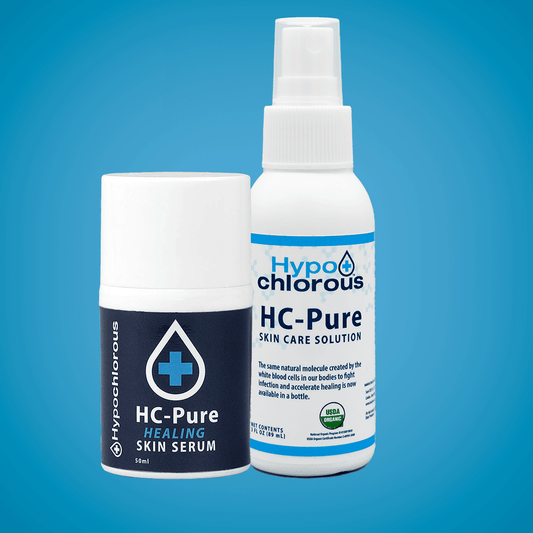
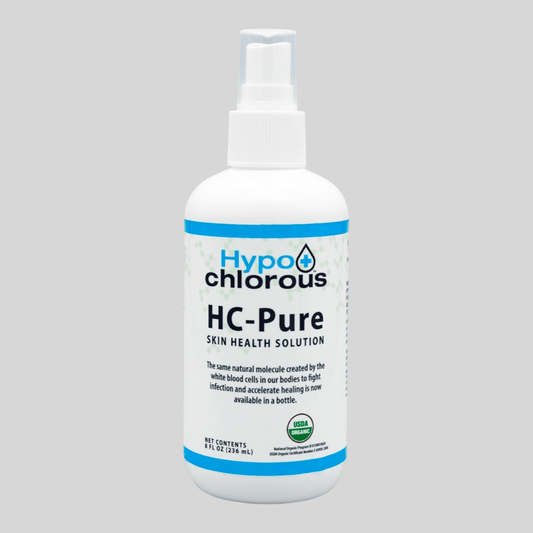
This is where hypochlorous acid stands apart from many so-called natural cleaning options. HOCl is a powerful antimicrobial molecule made by white blood cells as part of the body’s normal defense system. In properly formulated, EPA-registered surface products, it can kill germs effectively without the harsh residue, overpowering fragrance, or bleach-like handling concerns associated with conventional cleaners.
That does not mean every hypochlorous acid product is identical. Concentration, stability, packaging, intended use, and regulatory registration all matter. A product designed for countertops should be used according to its surface directions. A formula made for skin should be used only as directed for skin. Smart clean living is not about assuming any product is safe anywhere. It is about choosing chemistry designed for the job.
Why HOCl makes sense for everyday cleaning
The best household cleaner is often the one you will actually use consistently. If a product requires gloves, open windows, careful measuring, and a separate rinse step every time, it may stay under the sink until a major mess forces the issue.
Hypochlorous acid can simplify the routine. It is well suited to the everyday moments that add up: wiping kitchen counters after meal prep, refreshing bathroom touchpoints, cleaning high chairs and toys, sanitizing pet areas, and keeping frequently handled surfaces cleaner between deeper cleans. Instead of stocking a different harsh chemical for every room, families can build a more streamlined system around one effective, versatile ingredient.
That versatility matters for sensitive households. Fragrance-heavy products can be unpleasant around babies, pets, and people with sensitivities. Bleach splashes can ruin a favorite towel or damage a surface finish. A properly formulated HOCl solution is designed to provide high-performance hygiene with a gentler user experience.
This is the standard Hypochlorous Company is built around: advanced, effective cleaning chemistry that feels realistic for the places and people you protect most. The goal is not to lower your standards for cleanliness. It is to raise your standards for what you bring into your home.
Choose the product based on the job
There are situations where bleach may still be appropriate. If a healthcare professional, local health authority, product manufacturer, or a specific cleanup protocol directs you to use bleach, follow those instructions. Use the stated dilution, provide ventilation, keep children and pets away during use, and never combine it with another cleaner.
For routine household hygiene, a hypochlorous acid sanitizer or disinfectant can be the more practical choice when its EPA registration and label support the use you need. Think beyond the kitchen and bathroom. High-touch light switches, doorknobs, phones, gym gear, lunch boxes, trash-can lids, and pet accessories are all places where an easy-to-use product supports better habits.
For visible messes, start by removing debris or washing away soil. Then apply your sanitizing or disinfecting product as directed. Do not rush the contact time. A quick mist and immediate wipe may clean a surface, but it may not meet the product’s germ-killing directions. Let the label lead.
A safer routine is a stronger routine
The choice does not have to be between a home that feels clean and a home that feels safe to live in. Bleach remains a tool for specific circumstances, but its risks and limitations make it a poor default for many daily tasks. Meanwhile, many natural cleaners smell pleasant but do not offer the verified germ protection families are looking for.
Hypochlorous acid sits in the space many households have been missing: effective enough for real hygiene, yet designed for frequent use around the life happening at home. Read the label, match the product to the surface, and choose a routine you can feel good about repeating. The safest upgrade is often the one that makes clean habits easier to keep.