The cutting board gets washed. The counter looks clean. Then raw chicken juice, a dripping grocery bag, or little hands turn the kitchen into a germ-transfer zone again. A food contact surface disinfectant is meant for the places where food is prepared, served, or likely to touch - but choosing one is not as simple as grabbing the strongest-smelling bottle.
For a health-conscious home, the better question is: can this product handle germs effectively while fitting safely into the spaces where your family eats? That means looking beyond marketing language and paying attention to the label, the active ingredient, the required contact time, and whether rinsing is needed before food comes back into the picture.
What Counts as a Food Contact Surface?
Food contact surfaces are exactly what they sound like: surfaces that food touches directly or may touch during preparation and serving. Think cutting boards, countertops, dishes, high chair trays, refrigerator shelves, reusable water bottles, food-storage containers, utensils, and the table where your child eats breakfast.
Some surfaces sit just outside that category but still deserve attention. Cabinet handles, faucet handles, refrigerator doors, appliance buttons, and trash-can lids may not hold food, yet they can move germs right back to clean hands and prepared meals. A smart kitchen routine treats both the food-prep zone and the high-touch zone as part of the same hygiene system.
The material matters, too. Nonporous surfaces such as sealed stone, stainless steel, glass, plastic, and glazed ceramic are generally easier to clean and disinfect. Unsealed wood, cracked cutting boards, and damaged plastic can hold moisture and residue in crevices. In those cases, thorough washing and timely replacement may matter as much as the product you spray.
Cleaning, Sanitizing, and Disinfecting Are Different Jobs
These words are often used interchangeably, but they describe different outcomes. Cleaning removes visible soil, grease, crumbs, and residue. Sanitizing reduces bacteria on a surface to a level considered safer under the product's labeled use. Disinfecting is designed to kill or inactivate specific germs listed on a product label, often with a longer contact time.
That distinction changes how you use a food contact surface disinfectant. If the counter has flour, sticky juice, or raw-food residue on it, disinfectant should not be the first step. Soil can block the active ingredient from reaching microbes. Remove debris, wash the surface, then apply the product according to its directions.
For daily meal prep, cleaning may be enough in many situations. Disinfection becomes more relevant after handling raw meat, poultry, seafood, eggs, or an illness-related mess, and during periods when someone in the household is sick. Using the right level of hygiene prevents the common mistake of reaching for harsh chemicals when plain cleaning would do - or relying on a quick wipe when the situation calls for more.
Why Conventional Kitchen Disinfectants Can Be a Poor Fit
Bleach-based cleaners, quaternary ammonium compounds, and heavily fragranced sprays can be effective when used as directed. But efficacy does not erase their trade-offs. Strong odors can linger around food. Some formulations can irritate skin, eyes, or airways. Others require careful dilution, ventilation, gloves, or a water rinse before a surface is ready for food contact.
That is a lot to manage when you are cleaning a lunchbox, wiping a high chair, or resetting the counter between dinner prep and homework. A product that adds stress, leaves a chemical smell, or requires a complicated routine is less likely to be used consistently.
The goal is not to fear every conventional cleaner. It is to make a more informed upgrade. For food-prep areas, look for a product formulated and labeled for the job, then follow that label every time. “Natural” on its own is not proof that a product disinfects, and “powerful” is not proof that it belongs near food.
Why Hypochlorous Acid Makes Sense Around Food Prep
Hypochlorous acid, often called HOCl, is a powerful antimicrobial molecule with a familiar biological connection: the human immune system produces it as part of its natural defense response. In household formulations, HOCl offers a compelling balance of germ-killing performance and a gentler everyday experience than many conventional disinfectants.
A properly formulated hypochlorous acid product can work without bleach fumes, heavy fragrance, or the sharp chemical cloud many people associate with disinfecting the kitchen. That matters for parents cleaning around snacks, pet owners managing bowls and feeding areas, and anyone who wants a clean home without turning every wipe-down into an exposure event.
Still, the label leads. Not every HOCl product has the same concentration, registration status, approved surface uses, or instructions. If you are using a product as a disinfectant, choose one with an EPA registration and review its directions for food contact surfaces. If the label requires rinsing after treatment, rinse with potable water before preparing or serving food. If it says no rinse is required for a particular use, follow that instruction instead.
That is the practical standard: chemistry you can feel good about, backed by directions you actually follow.
How to Use a Food Contact Surface Disinfectant Correctly
The most effective routine is simple, but it cannot be rushed. Start by removing food, dishes, and loose debris from the area. Clean away grease and visible residue with a suitable cleaner or soap and water. A disinfectant is not a substitute for wiping up a spill.
Next, apply the product so the entire target surface is visibly wet. A fast mist that dries immediately may not deliver the labeled result. The surface needs to remain wet for the full contact time listed on the product label. That may be seconds or several minutes, depending on the formulation and the organisms covered.
Once that time is complete, follow the food-contact directions. Some products require a clean-water rinse; others are approved for specific no-rinse applications. Never assume. Let the label decide, especially for cutting boards, feeding trays, utensils, and other surfaces that touch food directly.
Finally, allow the surface to air-dry unless the directions say otherwise. Avoid wiping it dry too early, which can shorten the product's contact time. Then wash your hands before moving on to food preparation.
A Smarter Kitchen Routine for Families and Pets
You do not need a cabinet full of specialty bottles to maintain a cleaner kitchen. You need a repeatable system that matches the mess. Clean as you go during normal cooking. Disinfect after raw-protein prep or illness-related contamination. Wipe high-touch points regularly, especially faucets, refrigerator handles, and cabinet pulls.
For baby gear and pet items, use extra care. High chair trays, bottle-prep areas, pet bowls, and food mats need products appropriate for those uses and materials. Check the label before treating anything that will go into a mouth, hold food, or contact sensitive skin. When in doubt, rinse food-contact items after the labeled contact time.
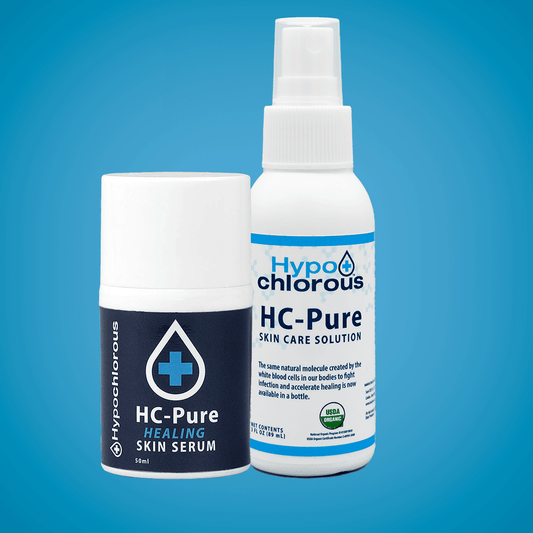
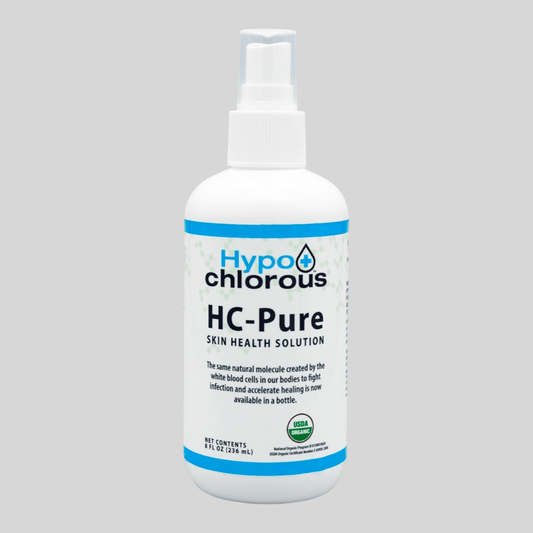
This is also where a multi-use HOCl formula can simplify life. Instead of keeping separate harsh cleaners for the counter, pet area, and everyday household touchpoints, a properly labeled hypochlorous acid product can reduce clutter while supporting a more consistent hygiene routine. TryHypo is built around that idea: serious clean without making your home smell or feel like a chemical lab.
What to Look for Before You Buy
Start with the product's intended use, not the front-label promise. If you need germ-killing performance, verify that it is EPA-registered and read which pathogens it is approved to address. Then check whether food contact surfaces are included in its directions and whether rinsing is required.
Also consider the details that shape daily use: fragrance, ingredient transparency, surface compatibility, required contact time, and storage instructions. A product can be effective on paper but inconvenient in a real kitchen if it damages a surface, needs a long wait, or has an odor your household cannot tolerate.
A clear label is a sign of a product that respects the person using it. You should not have to guess whether it belongs near your family's meals.
The kitchen does not need to smell harsh to be genuinely clean. Choose a food-contact solution with proven directions, use it with enough contact time, and make safer hygiene the habit that protects every meal after it leaves the cutting board.