A light switch can be touched dozens of times before lunch. So can the refrigerator handle, the faucet lever, the phone passed between family members, and the button on the coffee maker. A disinfectant for high touch surfaces is not about chasing perfection. It is about protecting the places where everyday life, hands, pets, meals, and messes meet.
The challenge is finding a product that works hard against germs without making your home smell like a chemical aisle or leaving you worried about what remains on the surfaces your family touches next. For health-conscious households, performance and peace of mind should not be a trade-off.
Why High-Touch Surfaces Need More Attention
High-touch surfaces are exactly what they sound like: the frequently handled areas that collect whatever hands bring in from school, work, errands, bathrooms, pet care, cooking, and the outside world. They are not always visibly dirty. That is why they are easy to overlook.
Think beyond countertops. Door knobs, cabinet pulls, remote controls, toilet flush handles, faucet handles, stair rails, appliance buttons, phones, keyboards, car steering wheels, and baby gear all deserve a place in your cleaning routine. In homes with young children, pets, shared bathrooms, or someone recovering from illness, these everyday contact points matter even more.
Disinfecting is not the same as cleaning. Cleaning removes dirt, oils, crumbs, and grime. Disinfecting uses an antimicrobial product to kill or inactivate certain germs on a surface when used according to its label. When a surface is visibly soiled, clean it first. A disinfectant cannot do its best work through a layer of grease, food residue, or tracked-in dirt.
What to Look for in a Disinfectant for High Touch Surfaces
A high-touch routine only works when it is easy enough to repeat. If a product requires gloves, strong ventilation, a long setup, or a second product to remove its residue, it is likely to sit under the sink while the most-touched surfaces go untreated.
Start with the label. An EPA-registered disinfectant has been reviewed for specific germ-killing claims, but the details matter. Check which organisms the product is registered to kill, whether it is approved for the surface you plan to use it on, and the required contact time. Contact time is the length of time the surface must remain visibly wet for the disinfectant to work as claimed. A quick spray-and-immediate-wipe may clean a surface, but it may not disinfect it.
Also consider what happens after use. Strong fragrance can linger around food-prep areas, fabrics, and small spaces. Some conventional disinfectants may be too harsh for sensitive households or require more caution around children and pets. Others can damage certain finishes over time. The goal is not simply the strongest-smelling cleaner. It is a formula that delivers dependable disinfection while fitting naturally into the way your household actually lives.
Hypochlorous acid, or HOCl, is a smart option for this job when it is formulated and registered appropriately. It is a powerful antimicrobial ingredient related to a compound produced by the body's own immune system. Unlike products that rely on heavy perfumes or harsh chemical fumes to signal that something is clean, HOCl can offer serious germ-fighting performance with a simpler, more family-conscious feel.
Why Hypochlorous Acid Makes Everyday Disinfection Easier
The best household habits are the ones you can keep. Hypochlorous acid helps remove friction from high-touch cleaning because it can be used across many of the surfaces that need frequent attention. Instead of maintaining separate products for the kitchen, bathroom, pet area, entryway, and daily messes, a properly labeled multi-use HOCl disinfectant can simplify the cabinet.
That matters when life is moving fast. You should not have to choose between disinfecting a bathroom faucet and worrying about harsh fumes in a small space. You should not have to use a heavily fragranced spray near a baby's high chair or pet bowls just because that is the only disinfectant on hand. Always follow the product label for approved uses, materials, and instructions, especially around food-contact surfaces, toys, skin, or animal areas.
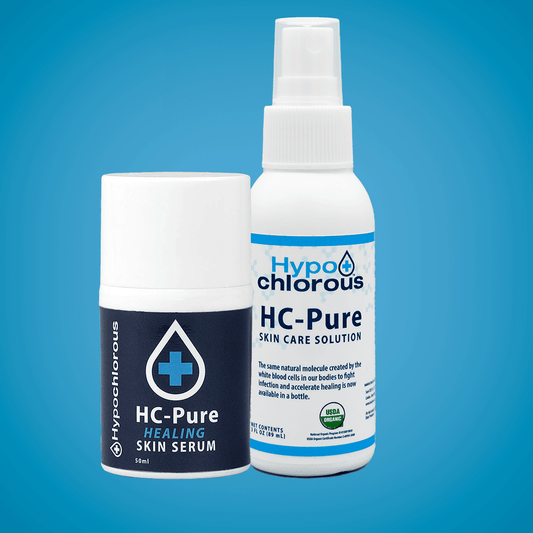
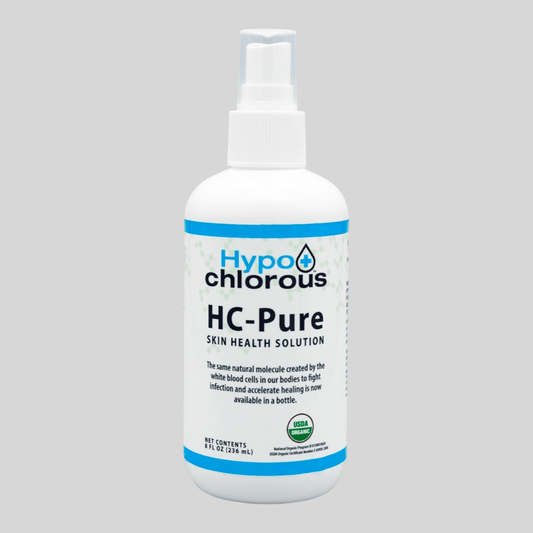
Hypochlorous Company is built around this practical idea: advanced chemistry should make the home safer and simpler, not add another complicated bottle to your routine. The right HOCl product can bring effective disinfection to the places your family reaches for all day, without turning every cleanup into a chemical event.
A Practical High-Touch Surface Routine
You do not need to disinfect every inch of your home every hour. Focus on frequency, traffic, and moments that raise the risk of germ transfer. A bathroom used by several people will need more attention than a guest-room drawer. The kitchen during dinner prep needs more attention than a shelf no one has touched in a week.
A simple rhythm works well for most homes. Wipe high-touch kitchen and bathroom points daily, especially faucet handles, refrigerator handles, appliance controls, toilet handles, and commonly used switches. Treat entryway handles, remotes, phones, keyboards, and car touchpoints several times a week or after high-traffic days. Increase frequency when someone in the home is sick, after guests visit, after handling raw foods, or after cleaning up pet accidents.
Use enough product to fully wet the surface, then let it remain wet for the contact time listed on the label. This is the step most people skip. If the product dries before the required time, reapply as directed. Once the contact time is complete, follow the label's instructions for wiping, rinsing, or allowing the surface to air dry.
For electronics, do not spray directly into openings, ports, speakers, or screens unless the device manufacturer and disinfectant label say it is appropriate. Apply the product to a compatible cloth first, then wipe gently. For porous or delicate materials such as unfinished wood, natural stone, leather, and certain painted finishes, test a small hidden area or use a product specifically approved for that material.
Common Mistakes That Reduce Disinfecting Results
The biggest mistake is assuming more product always means better results. What matters is using the correct product, on the correct surface, for the correct contact time. Oversaturating a delicate material can cause damage, while a light mist that dries instantly may not deliver the disinfection claim you expect.
Another common mistake is mixing cleaners. Never combine disinfectants or household cleaning products unless the label explicitly tells you to do so. Mixing products can create irritating fumes or reduce performance. One effective product used correctly is safer than a sink full of incompatible bottles.
Finally, do not overlook the objects that travel from room to room. Phones, remotes, reusable water bottles, keys, eyeglasses, and tablet cases move germs farther than a single door handle ever could. Bringing these items into your routine can make a meaningful difference, especially in busy family homes.
Make Safer Choices the Easy Choices
A disinfectant should support the way you care for your home, not make you hesitate before using it. Look for clear EPA registration, realistic surface instructions, appropriate contact times, and an ingredient approach that aligns with the people and animals sharing your space.
Start with the surfaces your hands reach for before you even think about it. When the product is effective, approachable, and ready for everyday use, protecting those small touchpoints becomes one of the simplest ways to care for the people you love.