The floor by the water bowl. The corner of the couch your dog claims as a bed. The litter box mat that somehow tracks farther than it should. Pet areas are where real life happens, which is exactly why the cleaner you use there matters. A safe cleaner for pet areas needs to do more than smell fresh. It should handle everyday messes and hygiene concerns without leaving behind harsh fumes or residues where paws, noses, and tongues spend time.
For a cleaner to earn a place in a pet-friendly home, it has to deliver on both sides of the equation: effective enough for the mess, thoughtful enough for the animals sharing the space.
What Makes a Safe Cleaner for Pet Areas?
Start with the difference between a product that simply looks clean and one that is designed with your household in mind. Many conventional cleaners rely on heavy fragrance, bleach, ammonia, or solvent-based ingredients to create a strong sensory signal. That sharp smell may feel like proof that something is working, but it can also make enclosed spaces unpleasant for pets with sensitive respiratory systems.
Pets are closer to treated surfaces than we are. They walk on floors, curl up on rugs, rub against furniture, and groom their paws afterward. A cleaner that leaves a strong residue or needs extensive ventilation may not fit the way your household actually operates.
Look for clear, plain-language directions and ingredient information. A responsible pet-area cleaner should tell you where it can be used, whether surfaces need to air dry, and whether rinsing is required. Be cautious with vague claims such as “natural” or “green” when the label does not explain what is inside. Natural is not automatically pet-safe. Essential oils, for example, can be irritating or harmful to certain animals depending on the oil, concentration, species, and exposure.
The right choice is also situation-specific. A mild daily spray may be appropriate for a crate tray or muddy paw prints, while a heavily soiled accident or a suspected contagious illness may require a more targeted cleaning and disinfection process.
Clean First, Then Address Germs
Cleaning and disinfecting are related, but they are not the same job. Cleaning physically removes dirt, hair, food residue, and organic matter. Disinfecting is intended to reduce certain germs on hard, nonporous surfaces when used according to the product label.
That distinction matters in pet areas because dirt can get in the way. If a food bowl stand is covered in dried kibble or a carrier has visible debris, remove the mess first. Then apply a suitable disinfectant if the situation calls for one, using the labeled contact time. Spraying and immediately wiping away a disinfectant may not provide the performance you expect.
For everyday upkeep, you usually do not need to disinfect every surface constantly. Clean high-touch, high-mess areas regularly: feeding stations, crate floors, carrier interiors, litter box exteriors, and hard floors around entryways. Reserve disinfecting for situations where it makes practical sense, such as after illness, diarrhea, a new rescue pet entering the home, or exposure to a known contamination concern.
Never combine cleaning products in an attempt to make them stronger. Mixing bleach, ammonia, acids, or other chemical cleaners can create dangerous fumes. One well-chosen product, used as directed, is safer than a cabinet full of competing formulas.
Why Hypochlorous Acid Fits Pet-Friendly Routines
Hypochlorous acid, often called HOCl, is changing what people expect from household cleaning. It is a molecule your body naturally produces as part of its immune response. When formulated for household use, it can offer powerful surface hygiene without the heavy fragrance, harsh fumes, or complicated dilution routines associated with many traditional cleaners.
That makes HOCl especially practical in the places pets occupy most. Think crate doors, food and water bowl surroundings, washable toys, grooming tools, hard-floor accidents, and the surfaces around a litter box. Instead of reaching for one product for odors, another for stains, and another for germ concerns, a thoughtfully formulated HOCl cleaner can simplify the routine.
The key is to buy based on the intended use, not the ingredient name alone. If you need disinfecting claims, choose an EPA-registered product and follow its label exactly, including contact time and approved surfaces. If you are cleaning items your pet may mouth or lick, confirm whether the label calls for rinsing before reuse. Safety comes from both the formula and proper use.
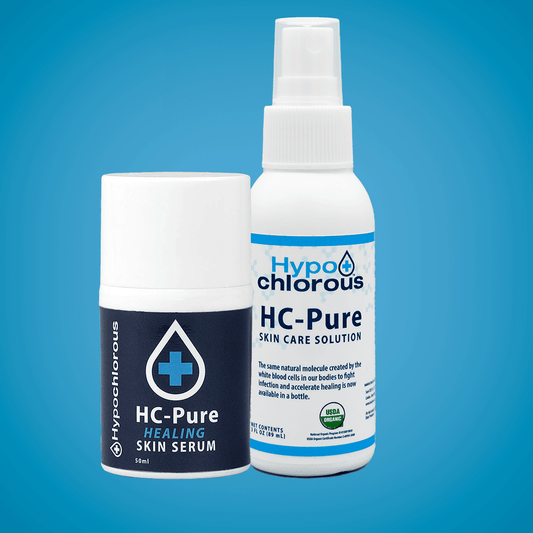
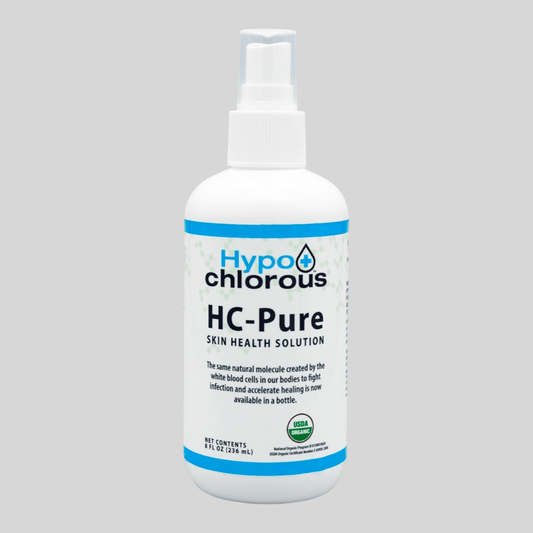
Hypochlorous Company builds its approach around this balance: high-efficacy HOCl solutions designed for real homes, where safety cannot be separated from performance.
The Pet Areas That Need a Better Routine
Some spaces collect more than visible dirt. They collect moisture, oils, shed fur, food particles, and the bacteria that hitch a ride on paws. A simple routine prevents those areas from becoming harder to manage later.
Food bowls and feeding stations
Wash bowls with soap and water to remove food residue, then clean the surrounding mat, floor, and wall splatter. Stainless steel and ceramic bowls are generally easier to keep hygienic than heavily scratched plastic, which can hold onto residue. Let everything dry fully before refilling.
Crates, carriers, and bedding zones
Remove blankets and washable liners first. Vacuum or wipe away hair and debris, then clean hard surfaces. For fabric bedding, follow the laundry instructions and make sure it is completely dry before your pet uses it again. Damp fabrics can hold odor and encourage unwanted growth.
Litter box surroundings
The litter box itself needs routine scooping and washing, but the floor and mat around it deserve equal attention. Use a cleaner that will not create overpowering fumes in a small, enclosed area. If your cat is sensitive to a new scent or avoids the box after cleaning, give the space extra time to air out and reconsider the product.
Accident zones
For urine, vomit, or feces, remove the material promptly with gloves and disposable towels. Clean the area thoroughly before applying any surface hygiene product. If urine has soaked into carpet, upholstery, or padding, an enzyme cleaner may still be the better tool because it is designed to break down the organic compounds behind lingering odor. This is one of those cases where a single all-purpose cleaner may not solve every layer of the problem.
What to Avoid Around Pets
Avoid assuming a product is safe just because it is marketed for the home. Strong fragrances can be a red flag, particularly when they linger for hours. Products containing bleach or ammonia may have appropriate uses when carefully handled, but they demand more caution around pets, especially in poorly ventilated rooms or when surfaces are not fully dry.
Use extra care with essential-oil-based cleaners. Tea tree, eucalyptus, pine, citrus, peppermint, and other concentrated oils can create risks for pets, with cats often being particularly sensitive. The concern is not only direct contact. Diffused vapors, residue on bedding, and repeated exposure can all matter.
Also skip aerosolizing products around animals whenever possible. A fine mist can hang in the air and settle on fur. If a product is sprayed, move pets away during application, allow the area to dry as directed, and provide ventilation when the label recommends it.
A Simple Safer Cleaning Habit
The best pet-safe routine is the one you can repeat without overthinking. Keep a dependable cleaner near the entryway for muddy paws, another accessible spot near feeding areas, and laundry supplies ready for washable bedding. Wipe spills before they dry. Clean bowls regularly. Wash toys and bedding on a schedule that fits your pet's habits, not just your calendar.
When you bring home a new product, test it in one small area first. Watch for changes in your pet's behavior, including sneezing, coughing, excessive licking, skin irritation, or avoiding a freshly cleaned space. Those signs do not always mean the cleaner is the cause, but they are worth taking seriously.
A cleaner should make your home feel more livable, not force you to keep pets away from the rooms they love. Choose formulas with transparent directions, use them as intended, and remember that the smartest pet-area cleaning routine is one that protects the surfaces, the people, and the animals who make the house feel like home.