If you have ever wiped down a teether, bath toy, or plastic truck and then wondered whether the cleaner left behind its own problem, you are not overthinking it. Choosing a hypochlorous acid toy disinfectant is about solving two issues at once - getting rid of germs and avoiding the harsh chemical residue many parents and health-conscious households do not want near little hands and mouths.
That tension is real. Toys live on the floor, in the car seat, under the couch, in the dog’s reach, and eventually back in a child’s mouth. They need more than a quick rinse, but many conventional disinfectants feel like overkill in the worst way. Strong fragrances, bleach fumes, and warning labels are not exactly reassuring when you are cleaning the very things your child touches all day.
Why hypochlorous acid works so well on toys
Hypochlorous acid, often written as HOCl, is a powerful disinfecting molecule that is highly effective against a broad range of germs. What makes it different from many legacy cleaners is that it combines strong performance with a gentler safety profile. That matters on toys, because the goal is not just to disinfect. The goal is to disinfect without turning your home into a chemistry experiment.
HOCl is especially useful for high-touch items because it works fast and does not rely on heavy perfumes or the kind of harsh solvent smell people often associate with a product being “strong enough.” In reality, a strong smell is not the same thing as strong efficacy. Many parents have already figured that out. They want a product that does the job without coating every cleaned surface in fragrance or leaving them second-guessing whether they need to rinse everything afterward.
That is where hypochlorous acid changes the conversation. Instead of choosing between performance and peace of mind, you get a smarter middle ground. For toy cleaning, that is a big upgrade.
What makes a good hypochlorous acid toy disinfectant
Not every cleaner with a science-forward label is created equal. A good hypochlorous acid toy disinfectant should be formulated for real household use, not just lab language on a bottle. It should be made to kill germs effectively while still fitting into everyday routines around babies, toddlers, pets, and sensitive spaces.
The first thing that matters is stability. HOCl can lose strength over time if it is poorly formulated or stored incorrectly. That means shoppers should care about whether the product is made and packaged in a way that preserves efficacy. The second thing is intended use. Some products are positioned for skin, some for surfaces, and some for category-specific cleaning. Toys fall into a practical middle zone - they are surfaces, but they are also handled constantly and often end up in the mouth.
This is why families are moving away from one-product-for-every-problem cabinets full of bleach sprays, alcohol wipes, and scented cleaners. They want one ingredient they can trust in more places. A well-made HOCl product fits that need because it can simplify cleaning without forcing compromises on safety.
Where it makes the biggest difference
The obvious use case is baby toys and toddler toys, especially anything chewed, dropped, or shared. Teethers, rattles, stacking cups, bath toys, stroller toys, play mats, and plastic blocks all pick up more than visible dirt. They collect saliva, food residue, bathroom moisture, pet contact, and everyday germs from hands and floors.
But older kids’ toys matter too. Think game controllers, pretend play accessories, dollhouse pieces, sports gear, and classroom-style learning toys. These are touched over and over, often by more than one child, and rarely cleaned as often as they should be.
A hypochlorous acid toy disinfectant is also useful in the moments that are less planned. After a playdate. During cold and flu season. When a toy gets dropped in a public place. When the dog steals a stuffed animal. When a bath toy starts to feel questionable. Those are the moments when people usually reach for whatever is under the sink, even if they do not love the ingredients. Having a safer disinfecting option changes that habit.
How to use hypochlorous acid toy disinfectant correctly
The biggest mistake people make with any disinfectant is assuming that spraying equals disinfecting. It depends on contact time and coverage. The surface needs to be thoroughly wetted, and the product needs to remain on the toy long enough to do its job according to the label directions.
For hard, non-porous toys, that usually means removing visible dirt first if needed, then spraying or wiping the surface so it stays visibly wet for the required contact time. After that, let it air dry or follow the label if rinsing is recommended for a particular use. Some families prefer a final water rinse on items that are regularly mouthed, even with gentler chemistries. That is a comfort choice, not always a requirement, and it depends on the product instructions.
Soft or porous toys are a little more complicated. Plush items, fabric books, and foam materials do not disinfect the same way hard plastic or sealed surfaces do. HOCl may still help with freshening and surface hygiene, but full disinfection claims typically apply to non-porous surfaces. This is one of those areas where being realistic matters. No cleaner turns every toy material into an easy-disinfect surface.
HOCl vs bleach, alcohol, and fragrance-heavy sprays
Bleach is effective, but it comes with trade-offs many families are tired of accepting. It can be irritating, it can discolor materials, and it often carries strong fumes. On children’s items, that feels like a blunt instrument.
Alcohol-based products can also disinfect effectively, but they may dry out certain surfaces, flash off quickly, and create concerns around repeated use on items handled by kids. They are not always the most practical choice for larger toy bins or everyday cleaning.
Fragrance-heavy household sprays create a different problem. They may make a room smell “clean,” but scent is not hygiene. For sensitive households, added fragrance can be one more thing to avoid, especially around babies, pets, and anyone prone to skin or respiratory irritation.
Hypochlorous acid offers a cleaner answer for many homes because it is highly effective without leaning on those trade-offs. It feels more aligned with how modern families actually want to clean - thoroughly, often, and without bringing more chemical burden into the house.
When a toy disinfectant needs to be more than a toy disinfectant
Most households do not want a separate spray for every category. That is part of why HOCl has become such a standout ingredient. The same product that makes sense for toys often makes sense for high chairs, changing stations, crib rails, doorknobs, pet bowls, countertops, and bathroom touchpoints.
That versatility matters. It saves space, reduces clutter, and makes it easier to clean more often because the right product is already in reach. If a disinfectant only works in one narrow context, people use it less. If it works across the home and still aligns with safer-living priorities, it becomes part of the routine.
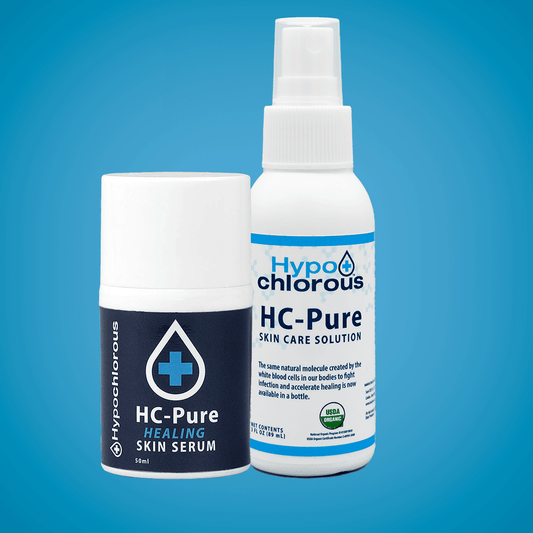
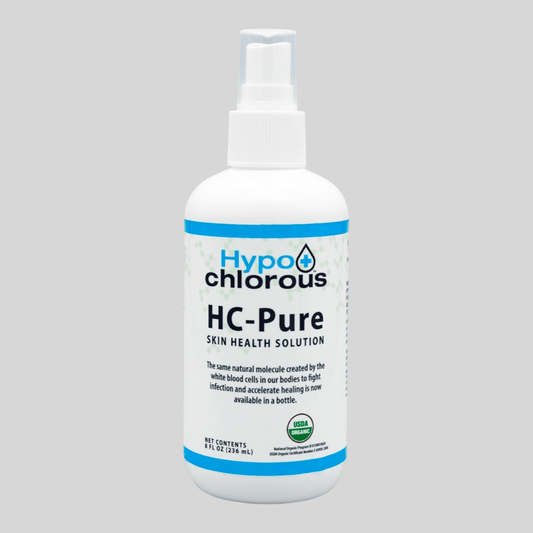
For families trying to cut back on toxic cleaners, this is usually the real shift. They stop thinking in terms of stronger-smelling equals better. They start looking for proven performance with fewer compromises. That is exactly why brands like TryHypo are gaining traction with parents, pet owners, and anyone trying to protect their home without filling it with harsher chemistry.
What to look for before you buy
A smart buyer reads beyond the front label. Look for clear disinfecting claims, practical instructions, and a product position that matches how you actually plan to use it. If the main goal is cleaning toys, especially those touched by babies and toddlers, it makes sense to prioritize formulas built around family-safe daily use.
It also helps to think about packaging and routine. A spray bottle is convenient for quick cleanups. Wipes may be better for diaper bags, travel, and car seats. Refills matter if you know you will use the product constantly, which many households do once they stop reserving disinfecting for “big cleaning days.”
The other thing to consider is your own habits. If you avoid products with overpowering smells, harsh warnings, or complicated instructions, that is not being picky. It is usually a sign you want a product you will actually use consistently. Consistency keeps toys cleaner than occasional deep cleans with a product you hate handling.
A cleaner should make your home feel safer, not more stressful. That is why hypochlorous acid is resonating with so many families. It gives you serious germ-killing performance in a format that fits real life - sticky toys, fast cleanups, sensitive households, and all. When the safer option is also the easier one to reach for, good habits tend to stick.