A disinfectant spray can look perfectly family-friendly on the shelf and still come with directions that make it unsuitable for your baby's high chair, your pet's water-bowl area, or your own skin. That is why an EPA disinfectant label guide matters. The label tells you what a product is legally registered to do, where it can be used, how long it must stay wet, and what precautions belong in your routine.
For a cleaner, lower-toxicity home, the goal is not to fear every ingredient or buy a separate bottle for every room. It is to read past the front-label promises and choose products whose real-world directions fit the places and people you care for every day.
Start With the EPA Registration Number
An EPA registration number is one of the fastest ways to identify a disinfectant product. You will usually find it on the back label, near the manufacturer information. It commonly appears as EPA Reg. No. followed by a series of numbers.
That number means the Environmental Protection Agency has reviewed the product's antimicrobial claims when it is used according to its label. It does not mean the product is risk-free, non-toxic, or approved for every surface and situation. Registration supports a specific set of claims under specific directions.
This distinction protects your household from a common marketing trap. Words such as clean, deodorize, sanitizes, or naturally derived may sound reassuring, but they are not interchangeable with disinfects. A product can make a counter look clean without being registered to kill the germs named on a disinfectant label.
EPA registration also does not turn a surface product into a personal-care product. If a spray is registered to disinfect hard surfaces, do not assume it is intended for skin, mouths, wounds, food, or animal coats unless its label explicitly says so. The safest choice is always the one that matches the use.
EPA Disinfectant Label Guide: Find the Active Ingredient
The active ingredient is the chemistry doing the germ-killing work. Common disinfectant active ingredients include bleach-based compounds, quaternary ammonium compounds, alcohols, hydrogen peroxide, and hypochlorous acid.
The ingredient matters because it influences odor, residue, required protective equipment, surface compatibility, and the product's directions for use. A powerful disinfectant is only practical if your family can use it correctly and comfortably. Strong fragrance, harsh fumes, and complicated rinsing instructions can make people spray less thoroughly, ventilate poorly, or skip the product altogether.
Hypochlorous acid, or HOCl, is especially worth understanding. It is a molecule your immune system naturally produces as part of its defense against microbes. In an appropriately formulated and EPA-registered surface product, HOCl can offer effective disinfection with a simpler, less harsh-feeling approach than many conventional cleaners.
Still, ingredient recognition is not enough. Two products containing the same active ingredient can have different concentrations, organisms listed on the label, contact times, and approved use sites. Read the whole set of directions, not just the ingredient panel.
Match the Germ Claim to Your Actual Need
Disinfectant labels may list bacteria, viruses, fungi, or other microorganisms the product is proven to kill. These claims are specific. If you are cleaning up after a stomach bug, managing a sick day at home, or disinfecting a frequently touched surface during a seasonal illness, look for the relevant organism or virus category on the label.
You may also see language such as bactericidal, virucidal, fungicidal, or claims against a named pathogen. These terms are useful, but they should not push you toward over-disinfecting every surface all day. For everyday crumbs, fingerprints, and ordinary messes, cleaning is often the right first step. Disinfection is most valuable when illness, raw-food contamination, pet accidents, or high-touch shared spaces raise the stakes.
When a particular public-health concern is active, consumers often look for products on an EPA list tied to that concern. Those lists can help narrow the field, but the product label remains the final instruction manual. Follow the exact dilution, application method, and contact time printed on the container in your hand.
Contact Time Is Where Most Disinfecting Goes Wrong
Contact time, sometimes called dwell time, is the period a surface must remain visibly wet for the product to work as claimed. It may be 30 seconds, one minute, five minutes, or longer. A quick spray followed by an immediate wipe can leave you with a nice-smelling counter but not the disinfection result you expected.
This is particularly relevant for busy households. If the label requires a long wet time, it may be inconvenient for a kitchen island, a toddler's toys, or a bathroom used by several people before school. That does not make the product bad. It simply means its directions may not fit your routine as well as another option.
Apply enough product to fully wet the surface, start a timer if needed, and reapply if it dries before the required time is up. Then follow the label's next step. Some products require rinsing on food-contact surfaces or items that children and pets may put in their mouths. Others may require wiping after the contact period.
A short contact time can make safer daily hygiene easier to sustain. But never assume a product has one. Confirm it on the label.
Check the Surface and Use-Site Directions
The phrase hard, nonporous surface appears often on disinfectant labels for a reason. Smooth sealed surfaces such as glazed tile, sealed countertops, plastic, stainless steel, and many finished fixtures are easier to disinfect consistently. Porous materials such as unfinished wood, upholstery, rugs, and fabric may need different instructions or products.
Pay attention to surfaces where residue matters most: food-prep areas, high-chair trays, baby toys, pet bowls, dental appliances, and surfaces that may be licked or mouthed. If the label requires a potable-water rinse after disinfecting a food-contact surface, that is not optional. It is part of using the product safely.
The same care applies to electronics and specialty materials. A disinfectant that works beautifully on a bathroom sink may damage natural stone, unsealed wood, leather, or certain screens. Test a small inconspicuous area when the label permits, and follow any manufacturer instructions for the item itself.
Do Not Skip Precautions and First Aid
The precautionary statements are easy to overlook because they are usually in dense, small print. They are also where a label tells you whether to wear gloves, ventilate the room, avoid mixing with other cleaners, keep the product away from children, or store it at a certain temperature.
Never mix disinfectants with bleach, ammonia, acids, or other household chemicals unless the label specifically instructs you to do so. Mixing products can create hazardous fumes or reduce performance. More product is not better, either. A concentrate must be diluted exactly as directed, while a ready-to-use product should not be diluted unless its label says otherwise.
Read the first-aid section before an accident happens. Knowing whether a product calls for rinsing, fresh air, or contacting a poison-control resource helps you respond without guessing.
Choose Products That Support the Routine You Can Maintain
A truly smart household disinfectant is not just one that makes the biggest claim. It is one that fits your cleaning habits, surfaces, sensitivity needs, and family life. Parents may prioritize lower odor and practical directions for toy and high-touch surfaces. Pet owners may focus on residue and rinse requirements around feeding areas. People with sensitive skin or scent-triggered headaches may want to avoid heavily fragranced formulas and harsh fumes.
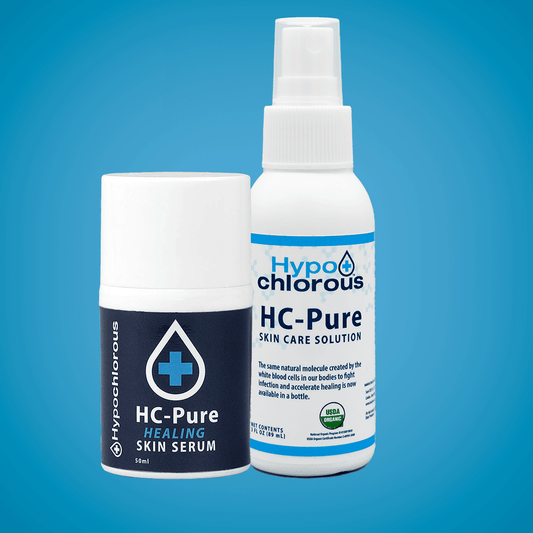
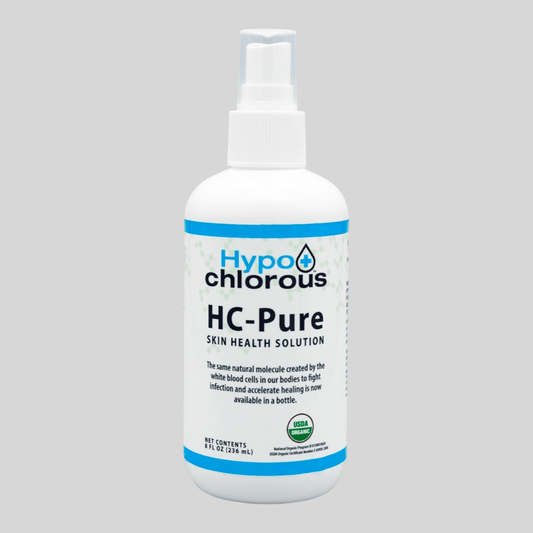
That is where formulations built around hypochlorous acid can make a meaningful difference. A product such as TryHypo still needs to be used according to its individual label, but the broader appeal is clear: high-efficacy hygiene without building an entire cabinet around harsh, single-purpose chemicals.
Keep one habit at the center of every purchase: read the label before you need the product. The right bottle should give you confidence not because its front panel makes the loudest promise, but because its directions make protecting your home feel clear, practical, and achievable.