A disinfectant that does its job without leaving behind a harsh chemical film sounds almost too good to be true. So, does hypochlorous acid need rinsing? Usually, no - but the right answer depends on where you use it, the exact product label, and whether the surface will touch food or go into a mouth.
That distinction matters. Hypochlorous acid, or HOCl, is the same type of germ-fighting molecule your white blood cells create as part of the immune response. Well-formulated HOCl products can clean and disinfect without the bleachy fumes, heavy fragrance, or sticky residue people associate with conventional cleaners. Still, smart cleaning means following the use instructions for the product in your hand.
Does Hypochlorous Acid Need Rinsing on Surfaces?
For most everyday hard, non-food-contact surfaces, hypochlorous acid does not need to be rinsed away after the required contact time. Spray the surface until it is visibly wet, allow it to remain wet for the time listed on the label, then let it air-dry or wipe away excess moisture with a clean cloth.
The contact time is not a technical detail to skip. A disinfectant needs time on the surface to work. If you spray and immediately wipe it dry, you may remove the product before it has had the opportunity to kill the organisms listed on its label.
On countertops, sink handles, high chairs, doorknobs, light switches, bathroom surfaces, and sealed toys, a no-rinse finish can make daily cleanup far easier. There is no need to follow one safe cleaner with a second round of water just to remove a lingering chemical smell or residue.
That said, cleaning and disinfecting are not identical jobs. If a surface has visible dirt, grease, pet mess, or food buildup, remove that soil first. HOCl performs best when it can reach the surface rather than sit on top of grime. Wipe away the mess, apply the product thoroughly, and give it its full dwell time.
The label is the final authority
Not every product called “hypochlorous acid” has the same concentration, pH, intended use, or regulatory registration. Some are made for skin. Some are cleaners. Some are EPA-registered disinfectants with specific directions for hard, nonporous surfaces. Others include ingredients beyond HOCl.
That is why “no rinse” should never be treated as a blanket promise for every bottle on the market. Use the directions on the specific product label, especially when you are relying on it for disinfection. If the label calls for rinsing, rinse. If it specifies a contact time, follow it exactly.
When You Should Rinse After Using HOCl
Food-contact surfaces are the biggest exception. If you use a disinfectant on a cutting board, eating surface, food-prep counter, baby bottle part, or utensil, check the label carefully. Many disinfectant labels instruct users to rinse food-contact surfaces with potable water after the stated contact time unless the product is specifically approved and labeled for no-rinse food-contact use.
This is not because hypochlorous acid is automatically unsafe. It is because food-contact instructions are regulated, product-specific, and designed to protect against unintended ingestion of any cleaner or disinfectant formulation. A quick water rinse after the required dwell time is a simple extra step when the surface will directly touch food.
You may also choose to rinse delicate or highly porous materials if the manufacturer of that material recommends it. Natural stone, unfinished wood, certain textiles, and specialty coatings can all have their own care requirements. HOCl is broadly compatible with many household surfaces, but “gentle” does not mean every finish reacts the same way. When a material is expensive or unfamiliar, test a hidden area first.
Hypochlorous Acid on Skin: Leave It On
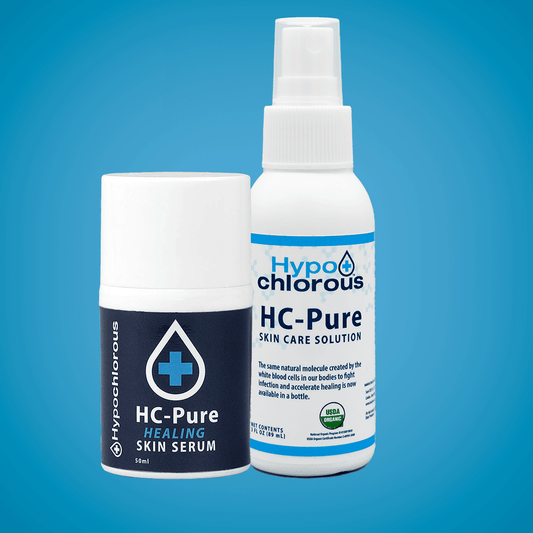
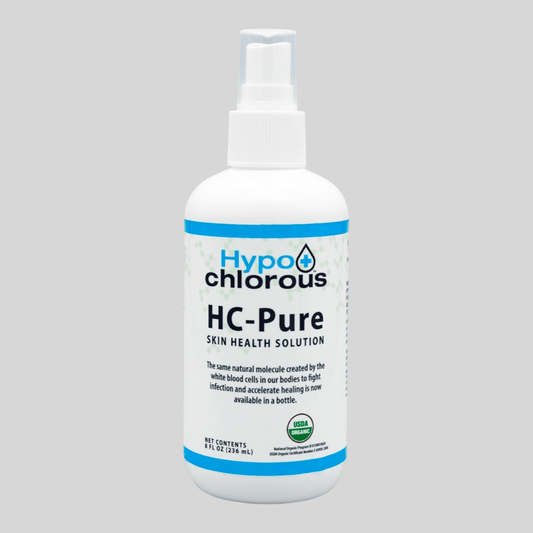
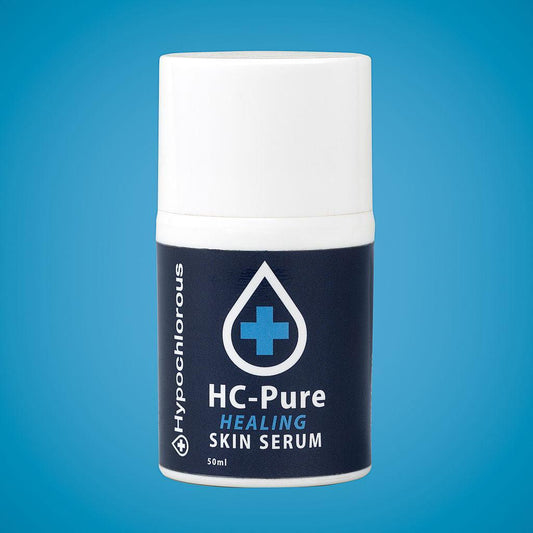
HOCl facial mists, skin sprays, and wound-care-style products are designed differently from household disinfectants. When a hypochlorous acid product is specifically labeled for skin, it is generally intended to be left on, not rinsed off.
This is one reason HOCl has become a practical option for sensitive-skin households. A properly formulated skin product can support a cleaner feel after workouts, help freshen skin after travel, and fit into routines where traditional alcohol-heavy products feel drying or irritating. It is also fragrance-free in many formulations, which matters when your skin reacts to perfumes and unnecessary additives.
Do not substitute a household surface disinfectant for a personal-care product simply because both contain HOCl. The use case, packaging, testing, and instructions matter. For face, body, or sensitive areas, choose a product that clearly says it is made for skin and use it as directed.
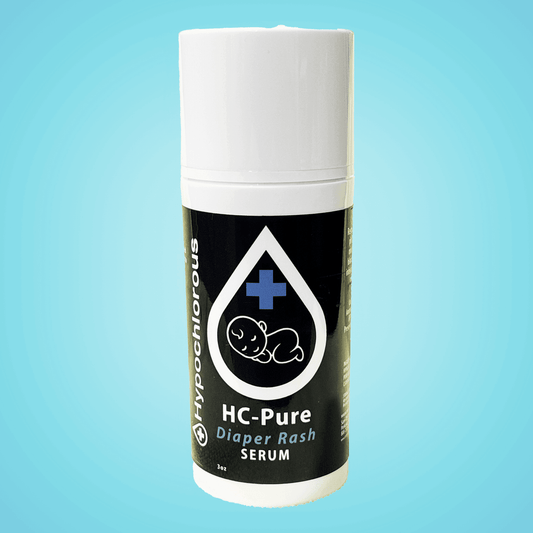
If you are treating a serious wound, managing a skin condition, or caring for a baby with broken skin, ask a qualified healthcare professional which product and routine are appropriate. Family-safe products are valuable tools, but they do not replace medical guidance when symptoms are persistent, severe, or worsening.
What About Baby Toys, Pet Areas, and Dental Appliances?
These are the places where low-residue cleaning changes the routine most. Parents should not have to use a harsh spray around toys and then worry about a child touching or mouthing the surface later. Pet owners should not have to choose between controlling odor and germs and avoiding fumes around paws, bedding, bowls, and crates.
For hard baby toys and pet-area surfaces, use an HOCl product labeled for those applications, meet the listed contact time, and allow the item to dry. Rinse only if the product directions require it or if the item is a food or drinking surface. Water bowls, food bowls, and any surface used for eating deserve the same attention as kitchen food-contact items.
Dental appliances require even more precision. Retainers, aligners, mouth guards, dentures, and similar devices spend extended time in the mouth. Use a cleaner made and labeled for dental appliances, follow its soak or spray directions, and rinse if the directions say to do so. A product formulated for appliances helps avoid guesswork about both material compatibility and mouth-safe use.
Why No-Rinse Cleaning Is a Meaningful Upgrade
Rinsing is not always difficult. The problem is what rinsing often signals: you are trying to remove the residue of the product you just used. With conventional cleaners, that can mean extra steps, extra water, more towels, and lingering worry about what remains on the places your family touches most.
A quality HOCl routine can simplify that equation. Instead of keeping separate products for countertops, toys, bathrooms, pet accidents, and daily touch-ups, you can use a versatile solution where its label allows. That means fewer bottles under the sink and fewer compromises between effective cleaning and a home that feels safe to live in.
The benefit is practical, not magical. Hypochlorous acid still needs the right application, enough coverage, and adequate contact time. It cannot clean through heavy grease without first removing the soil, and it should not be used beyond its labeled purpose. But when used correctly, it offers something conventional cleaning has made unnecessarily hard: powerful germ control without turning every cleanup into a chemical event.
A Simple Rule for Everyday Use
Think of rinsing as a use-case question, not an HOCl rule. On ordinary household surfaces, leave the product wet for its required contact time and let it dry or wipe away the excess. On skin, use only a skin-labeled HOCl product and leave it on unless instructed otherwise. On food-contact surfaces and oral-care items, follow the label closely and rinse with clean water when directed.
That small habit gives you the best of both worlds: effective cleaning where you need it, and confidence that the spaces shared by kids, pets, and sensitive skin are cared for with less chemical baggage. The next time you reach for a cleaner, let the surface and the label guide you - not the old assumption that clean has to smell harsh.