A mouth guard goes where harsh cleaners should not: against your teeth, gums, and saliva for hours at a time. That is why the best cleaner for mouth guard care is not necessarily the strongest-smelling product under your sink. It is the one that cleans away saliva film, odor, and everyday buildup without leaving behind abrasive particles, heavy fragrance, or chemical residue you would rather not put in your mouth.
Whether you wear a night guard for grinding, a sports guard for protection, or a custom appliance from your dentist, consistent cleaning protects more than the material. It helps keep your routine feeling fresh enough to stick with.
What the best cleaner for a mouth guard needs to do
Mouth guards collect more than you can see. Saliva proteins, bacteria, plaque, food residue, and minerals from saliva can form a cloudy film over time. In a closed case, moisture can also create the stale smell that makes an otherwise clean-looking guard feel questionable.
A good cleaner should handle that everyday soil while respecting the appliance itself. Custom guards may be made from acrylic, EVA, thermoplastic, or layered materials, and some are more sensitive to heat and abrasive scrubbing than others. The right approach is effective but gentle: clean the surface, control odor, rinse thoroughly when directed, and let the guard dry completely before storage.
That last step matters. Even the best cleaning product cannot make up for putting a wet appliance straight into a sealed case.
Why common mouth guard cleaning shortcuts fall short
When a guard starts to smell or look cloudy, it is tempting to reach for whatever feels strongest. But strong is not the same as suitable.
Toothpaste is a frequent mistake. It is designed for enamel, not soft or clear dental materials, and its abrasives can create tiny scratches. Those scratches make a guard look dull and give buildup more places to cling. A stiff toothbrush can do the same thing, especially on a softer sports guard.
Hot water is another problem. Heat can warp a boil-and-bite sports guard and may distort other thermoplastic appliances. Never use boiling water unless your dentist or the manufacturer specifically tells you to. A warped guard may fit poorly, feel uncomfortable, or stop providing the protection it was made to deliver.
Household disinfectants, bleach, and heavily fragranced cleaners are poor choices for an item that sits in your mouth. They may be too aggressive for the material, leave an unpleasant taste or scent, and add a residue concern to a personal-care routine that should feel simple. Alcohol-based products can also be drying or incompatible with certain plastics.
The better choice: a dental-appliance cleaner made for close contact
For most people, the best everyday option is a cleaner formulated specifically for dental appliances or mouth guards. These products are intended for materials that need to be cleaned without harsh abrasion, high heat, or overpowering fragrance.
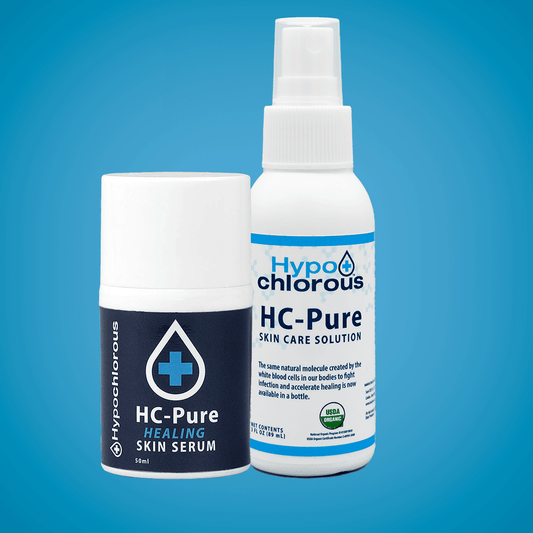
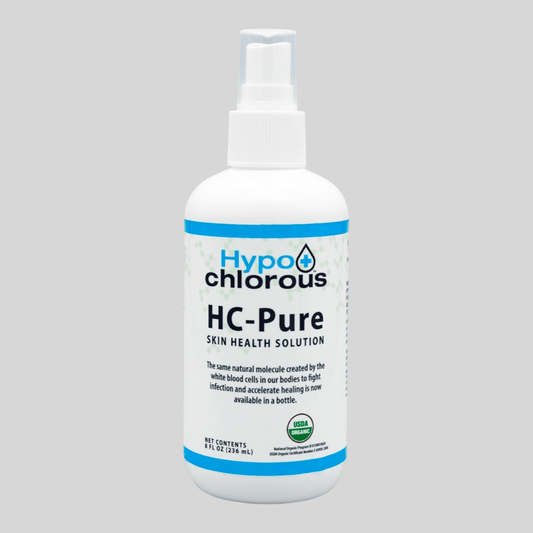
Hypochlorous acid, or HOCl, is especially worth understanding here. Your body naturally produces this molecule as part of its immune response. In the right formulation, it offers a modern approach to cleaning that does not rely on bleach-like fumes, harsh alcohol, or added fragrance. That makes it a practical fit for a mouth guard, retainer, aligner, or night guard that will spend hours in close contact with your mouth.
The ingredient alone is not the full story. Choose a product clearly labeled for oral-care accessories or dental appliances, then follow its contact-time and rinsing directions. A product made for countertops, even if it has a familiar active ingredient, is not automatically the right choice for a mouth guard.
Daily cleaning is the habit that makes the difference
The easiest routine is usually the most effective because you will actually do it. Clean your mouth guard after each use rather than waiting for odor or visible buildup to show up.
First, wash your hands. Rinse the guard under cool or lukewarm water to remove loose saliva and debris. Apply your dental-appliance cleaner according to the label, making sure it reaches both the inside and outside surfaces. If gentle brushing is recommended, use a soft brush reserved for the appliance, not the toothbrush you use on your teeth.
Rinse if the product directions call for it, then place the guard on a clean towel to air-dry fully. Once it is dry, store it in a clean ventilated case. A case with airflow is a smarter choice than a tightly sealed container that traps moisture.
Do not skip cleaning the case. Wiping or washing it regularly prevents you from returning a freshly cleaned guard to the same damp, stale environment.
Tablets, ultrasonic cleaners, and sprays: when each makes sense
Cleaning tablets can be useful for a deeper periodic clean, particularly when a guard has visible film or mineral deposits. They are convenient, but they are not automatically the best daily solution for everyone. Some formulas have strong scents, and some people simply do not want the extra soaking step every day. Always confirm that the tablet is suitable for your specific appliance.
Ultrasonic cleaners use vibration to help loosen debris in water or a compatible cleaning solution. They can be helpful for hard-to-reach contours and detailed appliances, but they are an investment, not a requirement. The device does not replace using an appropriate cleaner, and the wrong solution can still be the wrong solution.
A dedicated cleaning spray is often the most practical option for a busy household. It supports quick daily care without keeping another tablet container, mixing a solution, or running a device. This matters when you are trying to replace a complicated routine with one you can repeat every morning.
How to choose a cleaner without getting distracted by the label
Look past marketing language such as “extra strength” or “deep clean.” For mouth guard care, the better questions are straightforward: Is it intended for dental appliances? Is it compatible with your guard material? Does it avoid abrasive grit, strong dyes, and unnecessary fragrance? Are the instructions clear about how to use it and whether to rinse?
If you have a custom night guard, ask your dentist about material-specific guidance. Dental labs use different materials, and a recommendation that works beautifully for one appliance may not be ideal for another. This is particularly important if your guard has metal components, a soft inner liner, or a repair.
For households trying to reduce chemical clutter, a purpose-designed HOCl cleaner can be a smarter upgrade than rotating between toothpaste, denture tablets, and harsh household products. Hypochlorous Company offers dental appliance cleaning options built around that safer, high-performance approach.
Signs your mouth guard needs more than a quick rinse
A light rinse is for immediate care. It is not enough when the guard has persistent odor, cloudy buildup, a sticky feel, or visible white mineral deposits. Give it a proper clean at that point, and consider asking your dentist to inspect it if the issue keeps returning.
Dark spots, cracks, rough edges, or a changed fit deserve attention too. Do not try to scrub away damage with stronger chemicals. A compromised sports guard may not protect properly, while a cracked night guard can irritate soft tissue or trap buildup in areas you cannot clean well.
Replacing a worn appliance on schedule is part of hygiene. Kids' sports guards may need replacement as teeth and jaws grow. Night guards and custom appliances last differently depending on grinding pressure, material, and care.
A cleaner routine starts before you put the guard away
The best product cannot compensate for a guard that lives wet in a dirty case. Rinse and clean it after use, let it dry in open air, and give the case the same attention you give the appliance. Keep it away from direct sun, hot cars, and curious pets, all of which can damage the material or contaminate it.
Your mouth guard is a small part of your routine, but it has a very personal job. Choose a cleaner that respects that close contact, keep the process gentle and consistent, and your guard will be far easier to wear with confidence night after night or game after game.