A disinfectant wipe review should answer more than one question: Does it kill germs? It should also ask what remains on the kitchen counter, the high chair tray, the dog bed, and your hands after the job is done. For families trying to reduce harsh chemicals without lowering their cleaning standards, that difference matters.
The best wipe is not necessarily the one with the sharpest fragrance, the strongest fumes, or the most aggressive label. A smart disinfectant wipe should deliver dependable germ protection, fit the surface you are cleaning, and avoid turning routine cleanup into another source of chemical exposure. Hypochlorous acid wipes are changing that equation by offering serious cleaning power in a formula designed for the places real life happens.
What a Disinfectant Wipe Must Actually Do
There is a meaningful difference between a wipe that freshens a surface and one that disinfects it. Cleaning removes visible dirt, oils, crumbs, and grime. Disinfecting is the germ-killing step, and it only works when the formula is used according to its directions and stays wet on the surface for the stated contact time.
That means a quality wipe needs three things: an active ingredient that is effective against the germs named on its label, enough moisture to cover the surface evenly, and clear instructions that do not require a chemistry degree to follow. If a wipe dries before the required contact time, it may not disinfect as intended. If you use it on a visibly dirty surface without first removing the mess, you can also compromise the result.
For everyday use, the practical standard is simple. You should be able to grab one wipe after making lunch, wiping a bathroom sink, cleaning a shared desk, or freshening a pet area and feel confident that you are doing more than spreading residue around.
Disinfectant Wipe Review: What We Looked For
A useful review should not treat all disinfecting ingredients as interchangeable. Many conventional wipes rely on bleach, quaternary ammonium compounds, alcohol, or heavy fragrance. These ingredients can have a place in certain settings, but they also come with trade-offs that matter in a home with babies, pets, sensitive skin, or frequent cleaning needs.
We evaluate disinfectant wipes through five real-world standards: germ-killing performance, ingredient transparency, surface compatibility, residue and scent, and ease of repeat use. A product can look powerful on paper and still be a poor fit if it leaves a sticky film, has an overwhelming smell, irritates skin, or requires you to keep children and pets away long after cleaning.
Germ-Killing Performance
The first check is the product label. If you are shopping for a disinfectant, look for an EPA-registered formula and follow its labeled claims, approved surfaces, dilution requirements if any, and contact time. Never assume a cleaner disinfects simply because it is marketed as natural, plant-based, or antibacterial.
Hypochlorous acid is especially compelling because it is a molecule your own immune system produces as part of its defense against microbes. In a properly formulated product, HOCl can offer powerful antimicrobial performance without relying on the harsh chemical profile many households are trying to leave behind. The formulation and the label matter, so choose a product made and registered for the job you expect it to do.
What It Leaves Behind
A surface can look clean and still carry a residue you would rather not have near food, toys, or paws. This is where many shoppers become label readers. Strong perfumes may mask odors, but they do not automatically mean a surface is cleaner. Some conventional disinfectants can also leave films that require a separate rinse on food-contact surfaces.
A low-odor hypochlorous acid wipe offers a more practical experience for frequent cleanups. You can clean the refrigerator handle, the bathroom faucet, the stroller bar, or the crate tray without filling the room with a chemical cloud. That is not a minor benefit. When a product is pleasant and simple to use, people use it consistently.
Surface Versatility
A cabinet full of specialty cleaners is expensive and exhausting. One bottle for glass, one for counters, one for bathrooms, one for pet messes, and another for children’s items creates clutter before you even start cleaning.
The strongest household option is a wipe with broad approved use across common nonporous surfaces. Even then, versatility does not mean ignoring the fine print. Test delicate or unsealed materials in an inconspicuous spot, and follow care instructions for electronics, natural stone, unfinished wood, and fabrics. A damp wipe is generally better than spraying near screens or other sensitive equipment because it gives you more control over moisture.
The Repeat-Use Test
The real test is whether you are willing to use the wipe ten times a day. Parents know how quickly hands move from snacks to toys to faces. Pet owners know the cycle of muddy paws, feeding stations, and mystery spots on the floor. A wipe that makes you worry about fumes, residue, or ventilation is one you may reserve for emergencies instead of using as part of a healthy daily routine.
That is where hypochlorous acid earns attention. It gives households a way to make a meaningful upgrade: high-performance hygiene without defaulting to harsh-smelling cleaners every time someone spills, sneezes, or tracks dirt indoors.
Where Hypochlorous Acid Wipes Stand Apart
Hypochlorous acid is not a new chemical invention dressed up in wellness language. It is a naturally occurring molecule, and its relevance to household hygiene is straightforward. It can clean and disinfect while supporting a lower-toxicity approach to the surfaces your family touches most.
For many homes, the appeal is less about finding a miracle product and more about replacing unnecessary complexity. Instead of reaching for bleach in one room, alcohol in another, and fragranced wipes everywhere else, a well-made HOCl wipe can help simplify the routine.
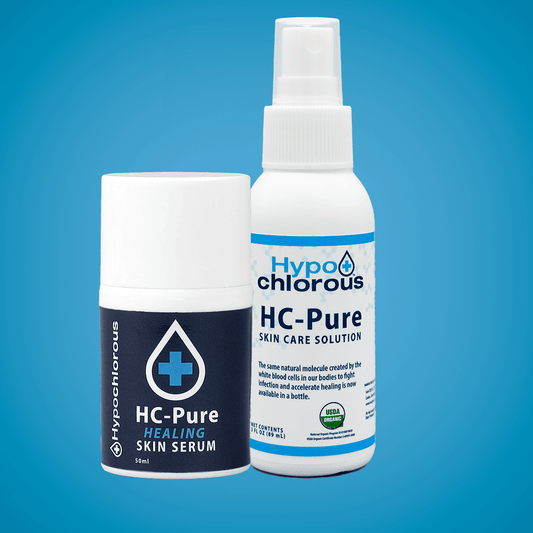
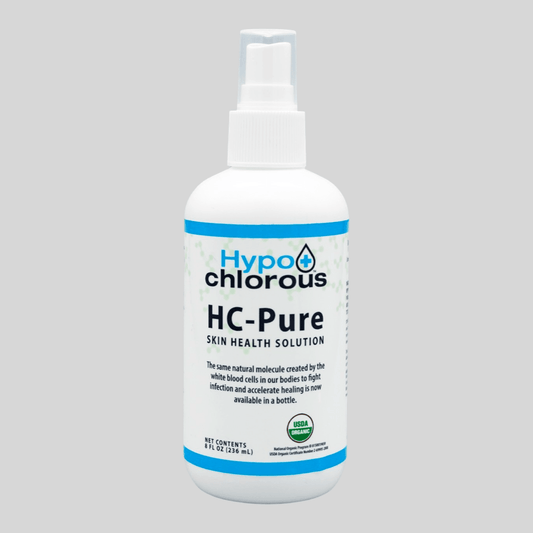
Hypochlorous Company wipes are built around that idea: serious everyday cleaning support for homes that do not want to choose between efficacy and peace of mind. The right product still needs to be used as directed, but the ingredient philosophy is refreshingly practical. Clean the mess. Address germs. Move on with your day.
When Conventional Wipes May Still Make Sense
An honest review includes limits. Not every wipe works on every material, and no disinfectant should be used beyond its label. For blood, bodily fluids, mold concerns, major illness cleanup, or commercial environments with specific compliance rules, you may need a product with particular pathogen claims or a more formal cleaning protocol.
Likewise, visible grease and stuck-on food often need a first pass with soap and water or a dedicated cleaner before disinfecting. Wipes are excellent for fast maintenance, but they are not a substitute for deep cleaning a neglected oven, a grimy shower, or a heavily soiled floor.
The goal is not to make cleaning complicated. It is to use the right tool with clear eyes. Daily touchpoints call for a product that is effective, easy to reach for, and comfortable to use around the people and animals you protect.
How to Get Better Results From Any Disinfecting Wipe
Start by removing obvious soil from the surface. Then use enough wipes to leave the area visibly wet, paying attention to high-touch zones such as handles, switches, faucet levers, remotes, and phone cases. Let the surface remain wet for the full contact time printed on the label. Do not wipe it dry early unless the directions specifically say to do so.
Close the package tightly after use. Wipes that dry out cannot deliver the performance you bought them for. And resist the urge to mix products. Combining cleaners can create irritating fumes or reduce effectiveness, especially when bleach or other strong chemicals are involved.
The most protective cleaning routine is rarely the most complicated one. Keep a trusted wipe where life gets messy, use it correctly, and choose a formula you feel good about using again tomorrow.