Your child’s favorite blanket, sweaty workout clothes, pet bedding, and everyday towels do not need a bleach bath to feel truly clean. A laundry sanitizer without bleach can help address the germs and odors detergent alone may leave behind, without the sharp fumes, color fading, or fabric wear that make bleach a frustrating household default.
The goal is not to turn every load into a chemistry experiment. It is to build a wash routine that removes visible soil, handles odor at its source, and gives your family’s fabrics the extra level of care they deserve.
Why Skip Bleach in the Laundry Room?
Chlorine bleach has a place in some specific laundering situations, especially for certain white, bleach-safe fabrics. But it is not a universal answer. It can discolor colors, weaken fibers over time, irritate sensitive skin, and create an unpleasant chemical smell that lingers long after the wash is done.
Bleach also asks you to be careful. It should never be mixed with ammonia, acids, vinegar, or many common cleaners because dangerous gases can form. That is a lot of risk and complexity for a product many households reach for every week.
For parents washing baby clothes, pet owners cleaning blankets and beds, and anyone managing eczema-prone or easily irritated skin, a gentler approach makes sense. You should not have to choose between effective hygiene and a home that feels safer to live in.
What a Laundry Sanitizer Without Bleach Actually Does
Cleaning and sanitizing are related, but they are not identical. Detergent is designed to lift dirt, oils, sweat, and stains from fabric so they can rinse away. A sanitizer is designed to reduce bacteria on fabrics when used exactly as directed on its label.
That distinction matters. If a load is heavily soiled with mud, food, body oils, or pet messes, sanitizer cannot replace detergent. Start by cleaning the fabric well. Then use a laundry product formulated to provide the sanitizing benefit you want.
A true laundry sanitizer should clearly explain how to use it, including the amount, water temperature, cycle timing, and any required contact time. If a product makes germ-related claims, look for labeling that supports those claims for the intended use. “Natural” or “plant-based” can be meaningful preferences, but those words alone do not tell you whether a product sanitizes laundry.
Better Bleach-Free Options for Everyday Loads
There is no single best ingredient for every household. The right choice depends on the fabric, the reason you are sanitizing, your skin sensitivities, and how you wash.
Hypochlorous Acid
Hypochlorous acid, often called HOCl, is a powerful but familiar molecule. Your own immune system produces it as part of its natural defense process. In properly formulated household products, it can provide high-efficacy cleaning and germ-control support without the harsh bleach odor associated with chlorine bleach.
For laundry, choose an HOCl product specifically made and labeled for washing fabrics. Formulation matters because laundry introduces detergent, soil, water volume, agitation, and rinse cycles. A surface spray is not automatically a laundry booster, even if both contain hypochlorous acid.
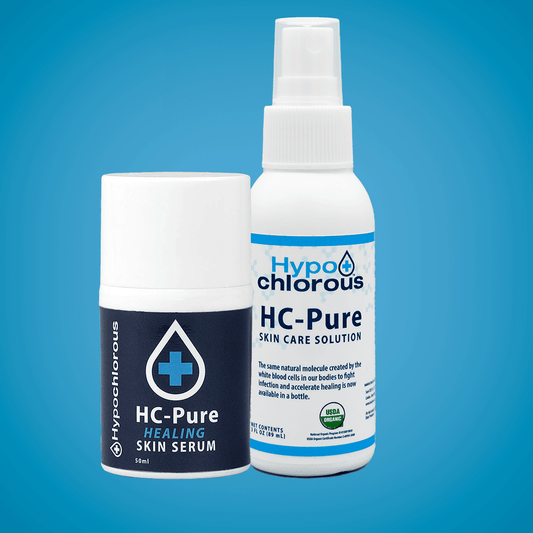
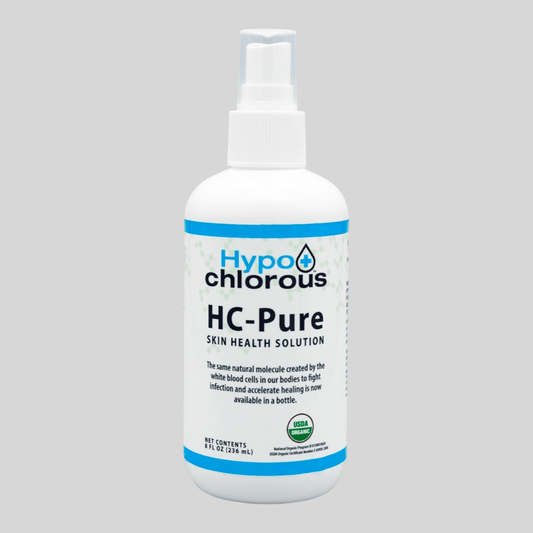
An HOCl laundry booster can be especially appealing for households looking to simplify their routine. Instead of adding a heavily fragranced product to cover odors, you can focus on a bleach-free solution designed to support a cleaner, fresher wash. TryHypo offers hypochlorous acid solutions built around that practical, family-first approach.
Oxygen Bleach
Oxygen bleach usually relies on sodium percarbonate, which releases hydrogen peroxide in water. It can brighten whites, help with dinginess, and tackle some stains without chlorine bleach. It is often a useful choice for washable towels, bedding, and many colorfast fabrics.
Still, oxygen bleach is not automatically a sanitizer. Read the package claims carefully. It can also be unsuitable for certain delicate materials, including wool, silk, leather, and some specialty fabrics. When in doubt, follow the garment care tag rather than assuming “bleach-free” means risk-free.
Heat and a Proper Wash Cycle
For washable, durable textiles, water temperature can make a meaningful difference. Hot water may improve cleaning and help reduce microbes, but high heat can shrink fabrics, set some stains, fade colors, and waste energy. It is a trade-off, not a rule.
Use the warmest setting the care label allows, especially for towels, underwear, bedding, and cleaning cloths. For delicate clothing or bright colors, cooler water paired with a properly formulated laundry sanitizer may be the smarter choice.
How to Use a Bleach-Free Laundry Sanitizer Well
The best results come from a routine that respects both the product label and the fabric in front of you. Do not overload the machine. Crowded loads limit water flow and prevent detergent or sanitizer from reaching every item evenly.
Use enough detergent for the soil level and water hardness in your home. Too little may leave oils and odor behind; too much can leave residue that makes fabrics feel stiff and can trap smells. If clothes come out smelling clean but develop a sour odor once warmed by your body, the problem may be detergent buildup or a machine that needs cleaning.
Add your bleach-free sanitizer exactly where and when its instructions say to add it. Some products are intended for the wash cycle, while others work in a rinse cycle or require a particular water temperature. More is not necessarily better. Using extra product can waste money and may not improve performance.
Dry items thoroughly as soon as the cycle ends. Leaving damp laundry in the washer encourages musty odors, which can make even freshly washed fabrics feel questionable. For items that can handle it, a full dryer cycle helps. Air-dried pieces should be spread out in a well-ventilated area until completely dry.
The Loads That Benefit Most
Not every load needs the same level of attention. Everyday shirts and jeans may only need quality detergent and a normal wash. But some categories collect more sweat, moisture, and odor than others.
Towels and washcloths are a prime example. They stay damp, absorb body oils, and can develop a stale smell that fragrance only masks. Athletic wear is another, especially synthetic fabrics that hold onto odor-causing residue. Bedding, underwear, socks, reusable cleaning cloths, baby items, and pet bedding can also benefit from a bleach-free sanitizing step when the fabric label allows it.
For baby clothes, choose products with straightforward ingredients and avoid adding unnecessary fragrance. Babies spend plenty of time with their hands, blankets, and clothes near their faces. The same common-sense standard applies to pet bedding. Your dog or cat should not have to sleep on fabric carrying a cloud of heavy perfume or harsh chemical residue.
Common Mistakes That Make Laundry Less Clean
The biggest mistake is using sanitizer as a substitute for washing. Sanitizing cannot lift away food, dirt, oils, and stains by itself. Start with detergent, appropriate cycle settings, and enough water movement.
Another mistake is relying on fragrance as proof of cleanliness. A strong scent can cover mustiness, but it does not solve the source. If towels smell off immediately after washing, clean your machine, check for trapped lint or residue, and avoid leaving wet loads sitting overnight.
Finally, never mix laundry additives unless their labels specifically say they are compatible. Skip DIY combinations involving bleach, vinegar, ammonia, or acidic cleaners. A safer laundry room is one where every product has a clear job and is used as directed.
A bleach-free routine is not about lowering your standards. It is about raising them: cleaner fabrics, fewer harsh chemicals, and a wash routine that works for the people and pets who live closest to your laundry.