A countertop can look clean and still carry the leftovers of a busy day: raw-food splatter, school-germ hands, a pet’s paws, and the mystery drip from a reusable water bottle. Fragrance free disinfectant wipes are made for that reality. They give you a fast way to disinfect high-touch surfaces without filling the room with a perfume cloud that lingers long after the mess is gone.
For families who read labels, fragrance-free is not a minor preference. It is a practical standard. Added fragrance can be irritating for people with sensitive skin, allergies, asthma, migraines, or scent sensitivities. It can also make a clean home feel less clean when a strong artificial scent is doing all the talking.
The right wipe should do more than smell like nothing. It should be proven to disinfect, simple enough to use correctly, and appropriate for the places your family, pets, and hands touch every day.
Why Fragrance Free Disinfectant Wipes Matter
A scented wipe may leave a surface smelling like citrus, linen, or tropical flowers. That scent is not evidence of sanitation. Fragrance is an added sensory experience, not the ingredient doing the disinfecting.
For sensitive households, removing added fragrance reduces one more variable in the cleaning routine. That matters when you are wiping baby gear, kitchen counters, pet areas, bathroom fixtures, doorknobs, remote controls, and the other surfaces that cycle through your day. You should not have to choose between odor-heavy chemicals and germ protection.
There is also a difference between fragrance-free and unscented. “Unscented” can sometimes mean a formula has fragrance ingredients used to mask the natural odor of other ingredients. “Fragrance-free” generally signals that no fragrance has been added, but the full ingredient list is still worth checking. A product may have a light natural formula scent without containing perfume.
The bigger question is what the active ingredient does. A disinfectant wipe needs an antimicrobial active ingredient and a registered use claim that supports the job you expect it to do. For household disinfection, look for products that clearly state where they can be used, the organisms they are effective against, and the required contact time.
The Ingredient Standard: Effective Without the Overload
Conventional disinfecting wipes often rely on ingredients that can be tough on noses, skin, surfaces, or indoor air. Bleach-based formulas can leave a sharp odor and may discolor materials. Alcohol can evaporate quickly, which can make it harder to keep a surface wet for the required contact time. Quaternary ammonium compounds, often called quats, are widely used but may not fit every household’s preferences, especially for frequent use around young children, pets, or people managing sensitivities.
Hypochlorous acid, or HOCl, offers a different approach. It is a naturally occurring molecule produced by the human immune system as part of its defense against germs. When formulated for household use and used according to its label, HOCl can deliver serious disinfecting performance without the heavy fragrance and harsh-cleaner experience many families want to avoid.
That does not mean every hypochlorous acid product is interchangeable. Concentration, stability, packaging, intended use, and registration all matter. A surface disinfectant should be evaluated as a surface disinfectant. A skin mist, for example, may be designed and labeled for an entirely different purpose.
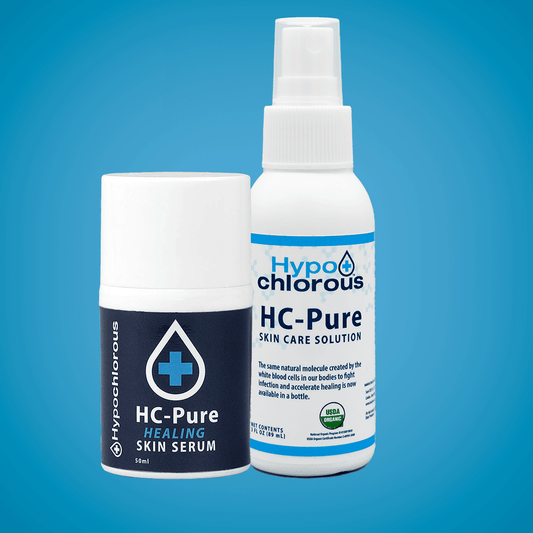
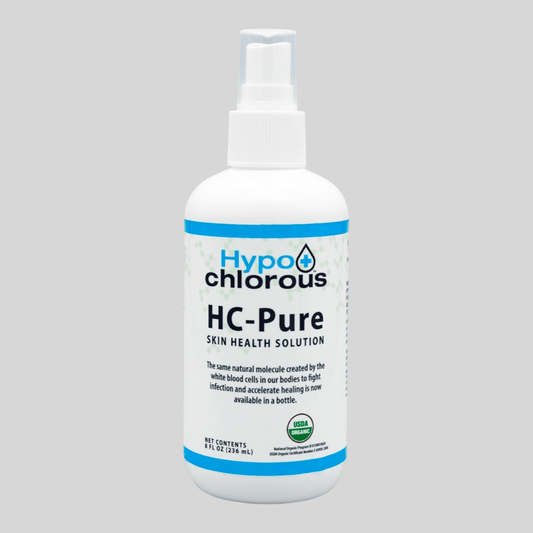
At Hypochlorous Company, the goal is straightforward: give households high-efficacy cleaning and disinfection options built around a cleaner ingredient philosophy. The appeal is not adding another specialty bottle to the cabinet. It is simplifying the routine with products that work where real life happens.
Cleaning and disinfecting are not the same job
Wipes are convenient, but they are not magic. If a surface has visible crumbs, grease, food residue, or a diaper-related mess, remove the soil first. Disinfectants work best when they can reach the surface instead of fighting through buildup.
Cleaning removes dirt and residue. Disinfecting uses an EPA-registered product to kill listed germs on hard, nonporous surfaces when used exactly as directed. Many household jobs require both steps. Think of a cutting board after raw chicken, a bathroom counter after a stomach bug moves through the house, or a dog crate tray after an accident.
This distinction protects you from a common mistake: a quick pass with a drying wipe may make something look better without meeting the directions needed for disinfection.
How to Use Wipes So They Actually Work
The most useful disinfectant is the one your household will use consistently and correctly. Start with the label, not assumptions. The label tells you the approved surfaces, whether rinsing is needed for food-contact areas, and how long the surface must remain visibly wet.
For most high-touch household surfaces, use enough wipes to thoroughly wet the area. Do not stretch one drying wipe across an entire kitchen. If it is no longer leaving the surface wet, grab another. Let the surface stay wet for the full contact time listed on the package, then allow it to air dry unless the directions say otherwise.
Pay extra attention to the surfaces that quietly collect the most contact: faucet handles, refrigerator pulls, light switches, toilet flush levers, phones, keyboards, cabinet knobs, stroller handles, car door handles, and pet feeding-area surfaces. These are ideal wipe jobs because they are small, frequently touched, and easy to miss during a deeper clean.
For food-contact surfaces, follow the product label carefully. Some disinfectants require a potable-water rinse after the contact time. For electronics, apply cautiously according to the device manufacturer’s guidance. Excess liquid can damage openings, ports, or screens, even when the disinfecting formula itself is gentle.
What to Look for Before You Buy
A fragrance-free claim is a good start, not the finish line. The strongest choice depends on your home, the surfaces you are disinfecting, and who shares your space.
First, verify that the product is an EPA-registered disinfectant if you want a disinfecting claim for hard surfaces. Registration and label directions are not marketing extras. They are the evidence-based framework for using a disinfectant safely and effectively.
Next, check the contact time. A shorter contact time can be more practical for quick, frequent wipe-downs, but only if you can keep the surface wet for that period. Also consider the wipe material and container design. A wipe that tears easily, dries out in the canister, or leaves lint behind creates friction in a routine that should be easy.
Finally, consider surface compatibility. Natural stone, unfinished wood, unsealed grout, delicate fabrics, and certain coated screens may need special care. Test an inconspicuous spot when you are unsure. “Gentle” does not mean every formula belongs on every material.
Where Fragrance-Free Wipes Earn Their Place
The best use for wipes is targeted maintenance between larger cleans. Keep them where the moments happen: under the kitchen sink, in the bathroom, near the entryway, in the car, or beside the pet supplies.
They are especially useful after handling raw food, cleaning a bathroom, wiping down a shared desk, resetting a hotel-room touchpoint, or dealing with a sick-day household. They can also make the everyday jobs easier: wiping the high chair after lunch, cleaning a changing-table surface, freshening a pet crate, or disinfecting a reusable lunchbox exterior before it returns to the counter.
There are limits. Wipes are not the most efficient choice for an entire floor, a wall, or a major spill. For broad areas, a properly labeled spray or refillable cleaning system may create less waste and cover more surface. Wipes shine when speed, portability, and control matter most.
A fragrance-free formula also does not replace ventilation, handwashing, proper food handling, or regular laundering. It is one useful layer in a healthier home routine, not a reason to skip the basics.
A Cleaner Home Should Not Have to Announce Itself
Your home can smell like dinner, a sleeping dog, fresh laundry, or absolutely nothing at all. It does not need to smell like synthetic fragrance to be clean.
Choose fragrance free disinfectant wipes that match your standards: clear labeling, proven disinfecting directions, an ingredient approach you feel good using around your family, and performance you can count on in the moments that cannot wait. The smartest clean is often the one that leaves behind less - less residue, less scent, less second-guessing, and more confidence in the surfaces your family touches every day.