A USDA organic cleaning spray should make your home feel cleaner without making you question what lingers on the high chair, the kitchen counter, or the dog’s favorite blanket. For families already reading food labels and avoiding heavy fragrances, switching to a cleaner with a meaningful organic standard can be a practical next move. But the words on the bottle matter. “Organic,” “natural,” and “disinfecting” are not interchangeable claims.
The smartest choice is one that gives you both: a clear standard for ingredients and the performance information needed for the job at hand. That is especially true when you are cleaning the places your family, pets, and bare hands touch all day.
What USDA Organic Actually Means for Cleaning Spray
USDA Organic is not a loose marketing phrase. The USDA seal is tied to a certification system with defined requirements for organic agricultural ingredients and how qualifying products are handled and processed. A product carrying that seal has been evaluated against a standard that goes beyond a front-label promise.
That distinction matters because the cleaning aisle is full of vague language. A bottle can say “green,” “plant-based,” or “clean” without telling you much about the full formula, the sourcing of ingredients, or the level of oversight behind the claim. Those descriptions may point you in a useful direction, but they are not certifications on their own.
A USDA organic label also does not automatically tell you that a spray kills germs. Organic certification speaks to ingredient standards. Disinfecting claims are separate and must be supported under the appropriate regulatory framework. If your goal is to disinfect, look for an EPA registration and follow the label directions, including any required surface contact time.
That may sound technical, but it is a simple shopping rule: choose a product based on the job, then verify the claim. Organic standards can help you screen for a cleaner formula. EPA registration can help you identify products approved to make specific antimicrobial claims. One does not replace the other.
Why Families Are Rethinking Conventional Cleaners
Conventional cleaners often ask households to compromise. One product is made for grease, another for glass, another for disinfecting, and another for deodorizing. Many bring strong synthetic fragrance, harsh fumes, or ingredients you would rather not spray around children and animals.
The result is a crowded cabinet and a routine that feels more complicated than it needs to be. You may clean the bathroom with gloves, open windows after spraying the kitchen, and hesitate before using the same product near a pet bed or a child’s toys. That hesitation is useful information. Your cleaner should fit the way your home is actually lived in.
For wellness-minded households, the appeal of a USDA organic cleaning spray is not perfection in a bottle. It is a better baseline: clearer ingredient expectations, fewer unnecessary extras, and a more thoughtful approach to frequent-use cleaning. The trade-off is that no single certification can answer every question. You still need to consider surface compatibility, scent sensitivity, storage, and whether you need cleaning or true disinfection.
Where Hypochlorous Acid Fits In
Hypochlorous acid, often written as HOCl, offers a different way to think about home hygiene. It is a molecule your own immune system produces as part of its natural defense process. When formulated correctly, it can provide powerful cleaning and antimicrobial performance without relying on the aggressive scent and residue many people associate with conventional disinfectants.
That does not mean every hypochlorous acid spray is identical. Formula quality, stability, packaging, intended use, and regulatory status all matter. A surface cleaner should be used according to its label. A skin-focused mist should be formulated and labeled for skin. A product intended to disinfect hard, nonporous surfaces needs directions that support that use.
The advantage is versatility when it is earned, not assumed. A well-designed HOCl product can reduce the need to reach for separate bleach-based, alcohol-heavy, or heavily fragranced products throughout the day. Think kitchen messes, bathroom touchpoints, workout gear, pet areas, diaper pails, shoes, and other everyday surfaces that need attention fast.
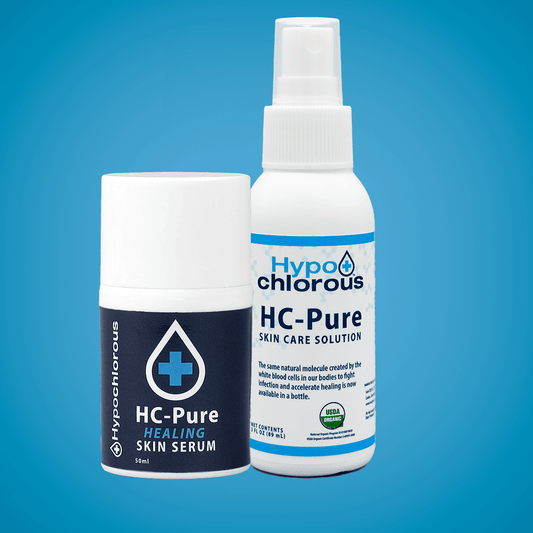
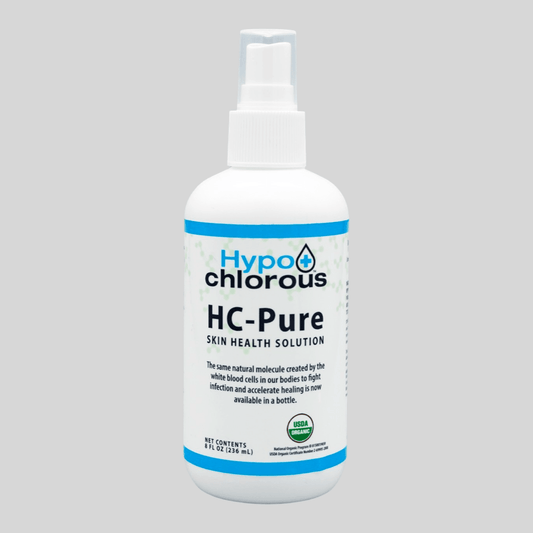
TryHypo is built around that idea: advanced chemistry made practical for the places and people you protect most. The goal is not to make cleaning feel clinical. It is to make a safer, high-performance routine easier to keep.
How to Choose a USDA Organic Cleaning Spray
Start with the label, not the product photography. The seal should be easy to find if USDA organic certification is a priority. Then turn the bottle around and ask what it is actually designed to do.
Match the claim to the task
For crumbs, fingerprints, and routine messes, a general cleaning spray may be all you need. For a high-touch surface after illness or a raw-meat cleanup, you may want a product that is EPA-registered for disinfecting and to use it exactly as directed. Spraying and immediately wiping may clean a surface, but it may not meet the product’s required disinfecting contact time.
Look past fragrance
A strong lemon, pine, or “fresh linen” scent is not proof that a product is working. In fact, fragrance can be a dealbreaker for people with sensitivities, young children, pets, or simply a preference for a home that smells like a home rather than a chemical aisle. Unscented or lightly scented options can be a more comfortable choice for frequent use.
Check where and how it can be used
Not every cleaner belongs on every material. Natural stone, unfinished wood, certain electronics, and delicate fabrics may require special care. If you plan to use one spray across the house, confirm the label supports your intended surfaces. A multi-use product should simplify your routine, not create a new set of worries.
Consider refillability and daily habits
The most thoughtfully formulated cleaner is only useful if you will reach for it. A refill option can cut down on repeat plastic purchases, while a bottle that is easy to hold and store makes it more likely to stay in rotation. This is not a small point. Consistent cleaning habits usually beat an elaborate system that no one has time to maintain.
A Better Way to Build Your Cleaning Routine
You do not need a cabinet full of specialty sprays to maintain a healthy home. Start by separating your needs into two categories: daily cleanup and targeted disinfection. Daily cleanup covers the messes that happen constantly - counters after breakfast, muddy paw prints, bathroom sinks, sticky cabinet handles. Targeted disinfection is for the moments when a product’s specific EPA-approved claim and directions are appropriate.
From there, choose formulas you feel comfortable using often. That means reading labels, avoiding ingredients that do not fit your household, and paying attention to practical details such as fragrance, residue, and whether the product needs rinsing on food-contact surfaces.
A USDA organic certification can be a strong signal for shoppers who want more accountability around ingredients. Hypochlorous acid can be a compelling choice for those who want serious performance without making harsh chemicals the default. Together, those priorities reflect a shift that makes sense: clean should not require a trade-off between effectiveness and the people sharing your space.
The best cleaning spray is the one you can use with confidence when life gets messy - on the kitchen counter after dinner, near the pet bowl, around the bathroom sink, and in all the small moments when protecting your home should feel simple.