A pacifier hits the floor at the grocery store, rolls under the high chair, then gets handed back to a teething baby within seconds. That is exactly when parents start searching for a safe disinfectant for pacifiers - one that handles germs without leaving behind bleach fumes, alcohol residue, artificial fragrance, or a new worry.
The smartest approach is not to disinfect every pacifier at every moment. It is to know when ordinary washing is enough, when sanitizing makes sense, and which ingredients belong nowhere near something your baby will put directly in their mouth.
Do Pacifiers Need to Be Disinfected?
Most of the time, a pacifier needs to be cleaned, not aggressively disinfected. Warm water and dish soap remove saliva, milk residue, lint, and visible grime. For a pacifier that has been used normally at home, that simple step is often the practical answer.
Sanitizing becomes more useful when a pacifier is new, has fallen onto a public surface, was shared accidentally, has been exposed to illness, or is being used by a very young baby or a child with specific health concerns. In those situations, parents want germ control without turning a tiny piece of silicone or rubber into a chemical delivery device.
The distinction matters. Cleaning physically removes residue. Disinfecting is intended to kill specific germs on a surface, but it only works when the product is used exactly as directed - including its contact time. A quick spray-and-wipe may not deliver the same result as a label-directed disinfection process.
What Makes a Safe Disinfectant for Pacifiers?
A pacifier is a high-contact baby item. It spends prolonged time in a baby's mouth, touches sensitive skin, and may be chewed when a child is teething. That raises the standard for what you use on it.
Look first for clear labeling. A product should be explicitly appropriate for the surface or use case you have in mind. If a disinfectant is not labeled for items that go into a child's mouth, do not assume that natural-sounding marketing makes it suitable. Follow all product instructions, including whether rinsing is required before use.
A thoughtful option should also be free from unnecessary fragrance and harsh additives. Fragrance can be a concern for sensitive households, while stronger conventional disinfectants may create unpleasant fumes or leave residue that parents understandably do not want on oral-care items.
Hypochlorous acid, often shortened to HOCl, is worth understanding here. It is a compound your own immune system produces as part of its response to germs. In a properly formulated solution, HOCl can provide powerful cleaning and disinfecting performance without relying on bleach, quaternary ammonium compounds, or strong alcohols. Its effectiveness still depends on the specific formulation and the directions on its label.
That combination is why HOCl has become a practical upgrade for family hygiene routines. It offers a way to reduce the number of harsh, single-purpose products stored under the sink while keeping high-touch baby items in mind.
Read the label, not just the front of the bottle
Terms like non-toxic, gentle, plant-based, and natural are not substitutes for directions. They do not tell you what germs a product is tested against, how long it needs to remain wet, or whether it is meant for food-contact surfaces or baby items.
For a disinfectant claim, look for an EPA registration and use the product only according to the approved label. EPA registration applies to the specific claims and directions for that product, not to an ingredient category as a whole. If the label instructs you to rinse an item before it goes back into a baby's mouth, rinse it thoroughly with clean water.
Ingredients to Think Twice About
Parents do not need a chemistry degree to make a better choice. A few common categories deserve extra caution around pacifiers.
Bleach solutions can disinfect when mixed and used correctly, but they are easy to over-concentrate, have a strong odor, and typically require careful rinsing. They are not the convenient, low-stress choice for a pacifier you need during a diaper-bag emergency.
Alcohol-based sprays dry quickly, which can make them feel convenient, but fast evaporation can work against the contact time needed for a disinfecting claim. Alcohol may also be drying or irritating if residue remains on an item that will be mouthed.
Quaternary ammonium compounds, sometimes called quats, are common in conventional disinfectants. They can be effective on many household surfaces, but they are not the first choice for a baby item's daily cleaning routine, particularly when a simpler option is available.
Scented cleaners are another easy pass. A fresh scent does not equal clean, and it adds an ingredient that serves no meaningful purpose on a pacifier.
How to Clean and Sanitize a Pacifier Safely
Start by checking the pacifier manufacturer's care instructions. Silicone, natural rubber, plastic shields, and attached accessories do not all tolerate heat or cleaning products the same way. A damaged pacifier can trap residue in cracks or become a choking hazard, so replace it if you see tears, stickiness, discoloration, or weakened material.
For everyday cleanup, wash the pacifier with warm water and mild dish soap, then rinse thoroughly. Let it air-dry on a clean surface. Avoid using your own mouth to clean a dropped pacifier. It may seem like the fastest solution, but it can transfer adult oral bacteria to your baby.
When you choose to sanitize, first remove visible soil. Disinfectants are not designed to work through milk film, food particles, or dried-on debris. Apply a label-approved product so the entire pacifier surface is treated, including the nipple, shield, and handle. Keep it wet for the full contact time listed on the product label.
Then follow the label's next step. Some products may require rinsing before an item is placed in a baby's mouth. Others may be formulated and labeled for no-rinse use on certain surfaces. Do not shorten the process based on guesswork, and never mix cleaning products together.
Boiling and steam are useful, but not universal
Boiling is a familiar option for many parents, especially before first use. It can be effective for pacifiers designed to withstand heat, but frequent boiling may shorten the lifespan of some materials. Steam sterilizers can be convenient, too, though they require equipment, time, and a dry storage routine afterward.
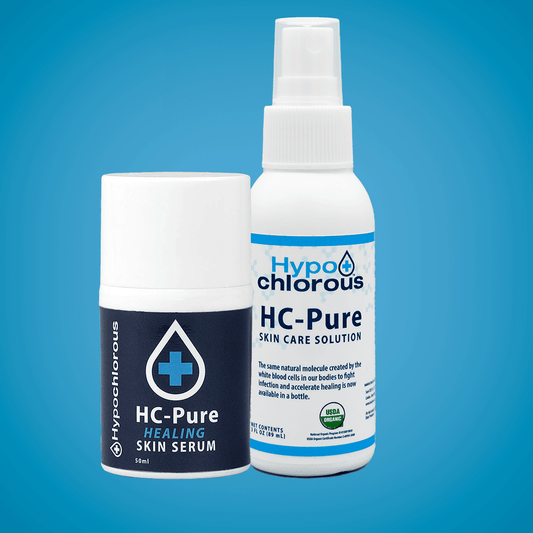
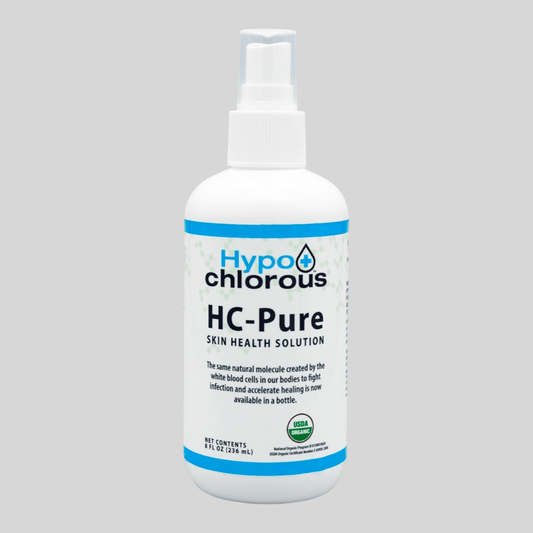
For a single pacifier dropped on a restaurant floor, those methods are not always realistic. That is where a properly labeled HOCl product can earn its place in a diaper bag or nursery station. A product from Hypochlorous Company can simplify high-touch household hygiene when used according to its label, without adding a harsh chemical smell to your routine.
Build a Routine That Fits Real Life
The goal is not a sterile childhood. Babies explore, chew, and encounter everyday microbes. The goal is to make sensible hygiene decisions without exposing them to avoidable chemical residue.
Keep two or three clean backup pacifiers in a closed case when leaving home. At home, set aside one small, clean area for washed pacifiers to air-dry instead of placing them directly on a counter. Wash pacifier clips regularly, too, since they collect drool and touch clothing, floors, and stroller straps.
If your baby is premature, medically vulnerable, or recovering from an infection, ask your pediatrician what cleaning and sanitizing routine makes sense. Their recommendation may be more specific than standard household guidance.
A safer pacifier routine is not about using the strongest product in the cabinet. It is about using the right product, in the right amount, with directions you can trust - then getting back to the moments that matter more than a dropped binky.