The dog bed smells fine until it gets wet. The cat’s litter mat looks clean until you step on it barefoot. The water bowl develops a slippery film faster than expected. These are the everyday moments when pet hygiene products matter most - not as an optional extra, but as part of protecting the home your pet shares with you.
A clean pet routine should do more than cover odors or make surfaces look better. It should address the dirt, saliva, dander, outdoor grime, and bacteria that build up around bowls, bedding, toys, paws, and accidents - without leaving behind harsh fumes or residues where pets eat, sleep, lick, and play.
Why Pet Hygiene Is a Whole-Home Habit
Pets do not keep their messes neatly contained. A dog can bring pollen, mud, street residue, and who knows what else across the floor in one trip from the backyard. Cats track litter from the box to nearby rooms. Even healthy pets leave saliva on toys, bedding, furniture, and hands.
That does not mean your house needs to smell like a chemical aisle. In fact, heavily fragranced sprays and aggressive cleaners can create a new concern in spaces where animals have close contact with treated surfaces. Pets are lower to the ground, regularly groom themselves, and can be more sensitive to fragrance and residue than the people using the products.
The smarter approach is to build a simple hygiene system: clean the pet, clean the items they use, and clean the surfaces they touch. When products are effective enough for real messes but gentle enough for frequent use, that system becomes much easier to maintain.
What to Look for in Pet Hygiene Products
The best pet hygiene products work hard without requiring a complicated cabinet full of specialty formulas. Before adding something to your routine, think about where it will be used and what your pet may come into contact with afterward.
Low-residue formulas matter
A cleaner can be powerful without leaving a strong perfume behind. Fragrance may signal “clean” to people, but it does not prove that a surface has been properly cleaned. For pet areas, low-residue and fragrance-free options are often the more practical choice, especially for pets with sensitive skin or households managing allergies.
Read the label carefully. Products made for floors or hard surfaces are not automatically appropriate for pet skin, paws, ears, or oral-care items. Use each formula only as directed, and never assume that “natural” means safe for every use.
Choose efficacy over odor masking
Odor sprays can make a room smell better while doing very little about the source. A better routine starts by removing visible soil, then using a suitable cleaner or disinfectant where it is needed. This is especially useful around food bowls, litter boxes, crate trays, accident zones, and frequently handled toys.
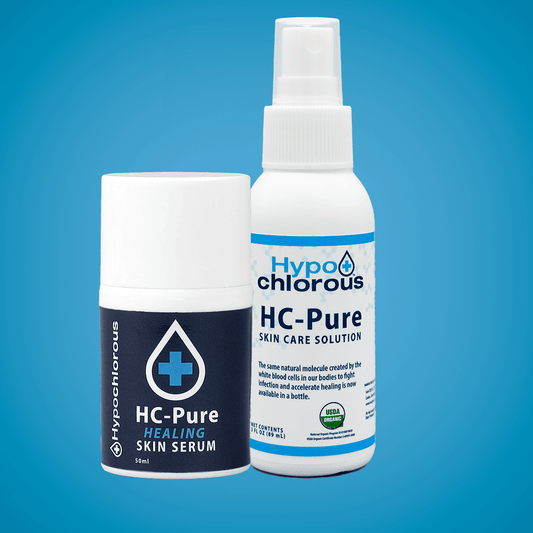
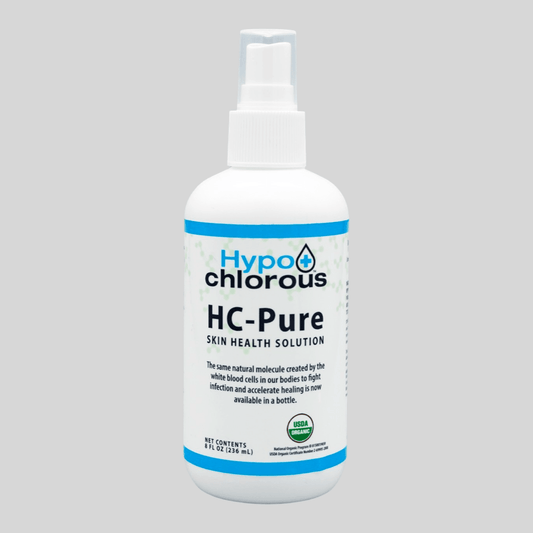
Hypochlorous acid, often called HOCl, is worth understanding here. It is a molecule produced naturally by the human immune system and can deliver serious cleaning and germ-fighting performance without relying on bleach-like fumes or added fragrance. Properly formulated HOCl products offer a practical option for families who want high-efficacy hygiene in pet-friendly spaces.
Match the product to the job
A quick paw wipe after a dry walk is different from cleaning a muddy belly after a rainy hike. A washable plush toy needs a different approach than a hard rubber chew toy. And an old urine stain may require an odor-specific treatment in addition to surface cleaning.
One multi-use spray can simplify a lot of daily care, but it cannot replace everything. Enzymatic cleaners may be useful for breaking down organic messes in fabrics and carpet. A veterinarian should guide any concern involving wounds, skin infections, ears, eyes, or persistent odor coming directly from your pet.
The Pet Areas That Need More Attention
You do not need to sanitize every inch of the house every day. Focus on high-contact areas, then clean more often when your pet is shedding, sick, tracking in mud, or recovering from an accident.
Bowls and feeding stations
Food residue and standing water create an ideal environment for buildup. Wash food and water bowls daily with hot, soapy water, rinse thoroughly, and allow them to dry. Clean the mat and floor beneath them regularly too, because drips, crumbs, and slobber do not stay inside the bowl.
If you use an antimicrobial spray on a hard feeding-station surface, follow the product’s contact-time and rinse instructions. Anything that directly contacts food or drinking water deserves extra care.
Bedding, crates, and carriers
Pet beds collect fur, skin flakes, outdoor debris, and saliva quickly. Vacuum or shake them out between washes, then launder removable covers according to the care tag. For crates and carriers, remove bedding first, clear visible debris, and clean corners, latches, and floor seams that are easy to miss.
A laundry booster designed for odor and hygiene can help refresh washable pet textiles without loading them with heavy perfume. For non-washable surfaces, use a pet-appropriate cleaner and let everything dry fully before your pet returns.
Paws, coats, and post-walk cleanup
Paw care is one of the easiest ways to reduce what enters your home. Keep a dedicated towel by the door for wet paws and muddy legs. On days with road salt, lawn treatments, puddles, or city sidewalks, a more thorough wipe-down is worthwhile.
Check between toes and around paw pads, where debris can hide. If your pet is licking their paws more than usual, limping, or showing redness, skip the guesswork and call your veterinarian. Hygiene is preventative care, not a substitute for medical care.
Toys, leashes, and everyday gear
Hard toys can be washed and dried regularly. Fabric toys should be laundered when possible and discarded when torn enough to expose stuffing or squeakers. Leashes, collars, harnesses, and retractable-handle grips also deserve attention, particularly after dog parks, boarding, travel, or rainy walks.
These are easy items to overlook because they do not always look dirty. But they are handled constantly and often come in contact with floors, hands, fur, and mouths.
A Better Way to Handle Pet Accidents
When accidents happen, speed matters. Blot liquids first rather than rubbing them deeper into fabric or carpet. Remove solid waste, clean the affected area, and treat lingering odor based on the surface and type of mess.
For urine, enzyme-based products can be especially helpful because they are designed to break down the organic material that causes recurring odor. For sealed hard floors, counters, crate pans, or washable surfaces, a properly formulated disinfecting cleaner may be the right follow-up step after visible mess is removed.
Avoid combining cleaning products. Mixing chemicals can create irritating fumes or reduce performance, and there is no benefit to turning a simple cleanup into a chemistry experiment. Ventilate the area when needed, follow every label direction, and keep pets away until treated surfaces are dry.
Build a Routine You Can Actually Keep
The most effective pet hygiene routine is not the most elaborate one. It is the one your household can repeat without stress. A few minutes after walks, daily bowl care, regular bedding washes, and a quick reset of pet zones each week can make a meaningful difference.
Keep your supplies where the messes happen: a towel near the door, a cleaning spray near the feeding area, laundry support near the washer, and pet-safe wipes in the car or by the crate. Reducing friction is what turns good intentions into a routine.
TryHypo’s hypochlorous acid solutions fit naturally into this approach because they help replace the collection of harsh, single-purpose sprays that often crowd a pet household. Still, smart use matters: follow the specific product label, respect contact times, and choose veterinary care when a pet’s health is involved.
Your pet should be able to curl up on their bed, drink from their bowl, and greet you at the door without bringing a cloud of chemical residue into the moment. Clean living with pets is not about chasing perfection. It is about making safer choices often enough that a healthier home becomes the normal one.