That rubber ball under the couch, the rope toy that never quite dries, the stuffed squirrel your dog carries everywhere - they collect more than slobber. Dirt, food residue, outdoor grime, and moisture can build up quickly. Knowing how to clean dog toys safely helps protect the items your dog puts directly in their mouth without turning your cleaning routine into a cabinet full of harsh chemicals.
The best method depends on the toy's material, condition, and whether it can be fully dried afterward. A plush toy needs a different approach than a thick rubber feeder, and a cracked chew toy may need replacing rather than another cleaning. The goal is simple: remove visible mess, reduce germs with an appropriate product, rinse when the care label calls for it, and let every toy dry completely before it goes back into the toy bin.
Why Dog Toys Need a Real Cleaning Routine
Dogs do not use toys politely. They chew them after walks, drag them across floors, carry them through the yard, and leave them wet with saliva. If your dog shares toys with another pet, visits dog parks, or has a habit of treating a plush toy like a comfort blanket, that buildup can happen even faster.
A quick wipe is useful for a lightly used rubber ball, but it will not remove dried food from a treat toy or deeply clean fabric that has been drooled on for days. Cleaning first matters because disinfectants work best on surfaces that are free of visible soil. Think of it as a two-part job: physically remove grime, then use a pet-conscious disinfecting step where it makes sense.
For most households, a weekly check is a practical baseline. Wash heavily used toys every week or two, especially if they are soft, absorbent, or used outdoors. Less-used hard toys can often be cleaned every few weeks. Clean them right away after illness, diarrhea, a trip to a boarding facility, or a messy encounter with raw food.
Sort Toys Before You Start
Before washing anything, look for the manufacturer's care instructions and inspect each toy. A toy that is splitting, shedding pieces, leaking filling, or showing exposed squeakers is not a cleaning project. It is a choking or obstruction risk. Retire it.
Separate toys into washable plush items, hard nonporous toys, rubber or silicone chew toys, rope toys, and electronics or battery-operated toys. This takes a minute, but it prevents the common mistake of soaking something that should only be surface-cleaned.
Also separate toys with visible soil from toys that only need a refresh. A muddy ball needs soap and water before any disinfecting step. A clean-looking plastic toy that has been passed around during puppy playtime may simply need a thorough spray and the correct contact time listed on the product label.
How to Clean Dog Toys by Material
Plush and fabric toys
Start by removing loose hair and checking seams. If the tag says machine washable, place the toy in a mesh laundry bag or pillowcase to help protect ears, tails, and small parts. Wash it according to the label using a fragrance-free detergent. Strong scents can linger in fabric and may be irritating for scent-sensitive dogs.
Avoid fabric softener, scented boosters, and heavily fragranced products. They add residue without making the toy more useful to your dog. For toys that cannot go in the washer, hand-wash with mild soap and warm water, working the suds through the fabric and rinsing thoroughly.
Drying is the part many people rush. Damp stuffing can hold odor and create an environment where mildew thrives. Air-dry plush toys completely, ideally in a bright, well-ventilated space. If the care tag permits a dryer, use the recommended heat setting, then squeeze and check the thickest areas before returning the toy to your dog.
Hard plastic, rubber, and silicone toys
For balls, chew toys, puzzle feeders, and durable rubber toys, begin with warm water and mild dish soap. Use a dedicated brush to reach grooves, holes, and treat compartments. This removes saliva film, peanut butter, kibble dust, and dirt that can shield germs from a disinfecting solution.
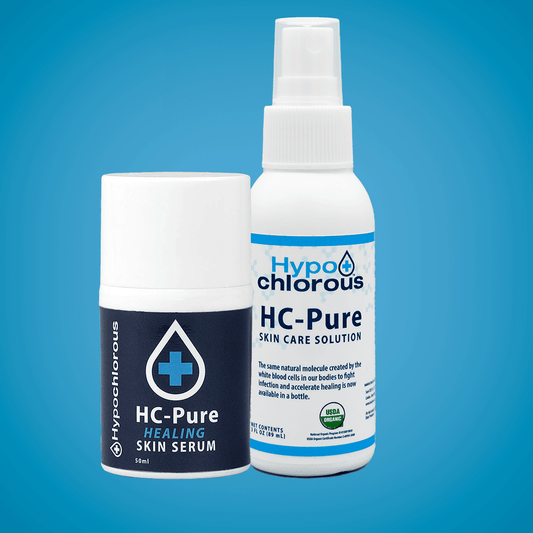
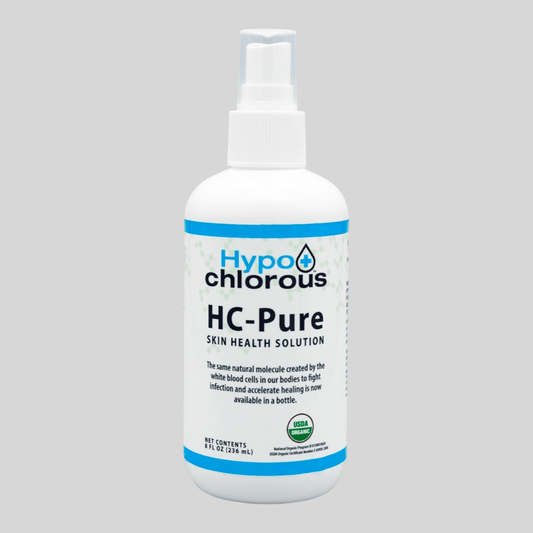
Rinse well, then disinfect with a product specifically labeled for the surface and intended use. Hypochlorous acid is a smart option for pet households because it delivers powerful germ control without the bleach fumes, heavy fragrance, or harsh residue people are trying to avoid. Follow the label's directions for coverage and contact time. More spray is not automatically better, and wiping it away too soon can reduce the product's effectiveness.
Whether you need to rinse afterward depends on the product label and the toy's material. When in doubt, follow the most conservative instructions for a toy that will be chewed. Let the item dry fully before your dog gets it back.
Dishwasher-safe toys can be washed on the top rack if the manufacturer allows it. Skip this method for toys with glued pieces, painted details, batteries, or materials that may warp with heat. A dishwasher is convenient, but it is not the right answer for every toy.
Rope toys
Rope toys deserve extra attention because their fibers trap moisture, dirt, and food particles. If the toy is intact and machine washable, wash it in a mesh bag with fragrance-free detergent. Let it dry all the way through, not just on the outside.
A rope that remains damp in the center, smells musty, or begins unraveling should be discarded. Rope fibers can fray and be swallowed, so replacement is sometimes the safer choice. No cleaner can restore a toy that is coming apart.
Electronic and battery-operated toys
Never submerge electronic toys. Remove batteries if possible, then wipe the exterior with a lightly damp cloth to remove dirt. Use only a small amount of an appropriate cleaner or disinfecting spray on the cloth rather than spraying directly into seams, speakers, charging ports, or battery compartments.
Let the surface dry completely before replacing batteries. For these toys, protecting the electronics and preventing moisture intrusion matters as much as cleaning the exterior.
A Safer Approach to Disinfecting Dog Toys
Not every toy needs disinfecting after every game of fetch. Frequent washing and complete drying are often enough for routine maintenance. Disinfecting is especially useful after your dog has been sick, when toys are shared among multiple pets, after boarding or daycare, or when a toy has been used in a high-traffic outdoor area.
The product you choose matters. Avoid assuming that household cleaners are automatically safe for objects your dog chews. Bleach, ammonia, phenols, highly fragranced sprays, and concentrated essential-oil products can create avoidable concerns when residue remains on a toy. Never mix cleaning products, and never use a product in a way that conflicts with its label.
Look for clear use directions, appropriate safety information, and a stated contact time. If you are using an EPA-registered disinfectant, use it exactly as directed. This is where a modern, multipurpose hypochlorous acid formula can simplify the process: effective cleaning support for the home without building a harsh-chemical routine around the things your pet mouths every day.
Do Not Forget Bowls, Bins, and the Floor Around Them
A freshly cleaned toy placed back into a dirty toy basket does not stay fresh for long. Wipe down the toy bin, wash reusable storage baskets when possible, and vacuum hair and debris from the area where toys are stored. If your dog routinely chews toys on a particular rug or dog bed, keep that surface in your regular cleaning rotation too.
Food-dispensing toys need special care. Empty leftover treats after playtime and clean the inside before refilling. Food residue tucked into narrow openings is one of the fastest ways for odors to develop.
Common Questions About Cleaning Dog Toys
Can I use vinegar to clean dog toys?
Vinegar can help with some odors and light mineral buildup, but it is not a reliable disinfectant for the range of germs pet owners may be concerned about. It also does not replace soap and water when a toy is visibly dirty. Use it only where the toy material and care instructions allow, and do not combine it with other cleaning products.
Can I clean dog toys with bleach?
Bleach can damage materials, leave a strong odor, and requires careful dilution and rinsing. For toys that go in a dog's mouth, many households prefer options that do not bring bleach fumes and residue concerns into the routine. If you use any disinfectant, follow its label exactly and keep your dog away from the item until it is ready for use.
How do I know when a dog toy should be thrown away?
Replace toys with deep cracks, broken plastic, loose parts, exposed stuffing, frayed rope, or a smell that remains after a proper wash and full dry. A favorite toy does not have to be permanently retired just because it looks loved, but safety comes before sentiment.
Your dog does not need a perfectly sterile life. They do need toys that are clean, dry, intact, and safe to chew. Build toy cleaning into laundry day or your weekly home reset, and you will spend less time rescuing smelly toys from under the couch and more time enjoying the reason they are there: a happy, healthy dog.