A sticky high-chair tray, a phone passed around at practice, muddy paw prints by the back door - household messes do not wait for the perfect cleaning routine. Organic disinfectant wipes offer a practical way to handle those everyday touchpoints without filling your home with overpowering fragrance, bleach fumes, or questionable residue.
But the words on the front of the package matter. A wipe can be plant-based, naturally derived, or fragrance-free and still not be a disinfectant. If your goal is to reduce germs on hard, nonporous surfaces while making a safer swap for your family, you need to know the difference.
What “organic disinfectant wipes” should mean
For many shoppers, organic means a product made with ingredients they feel good about bringing into their home. That is a reasonable place to start, especially if you are cleaning around babies, pets, food-prep spaces, or sensitive skin. But “organic” alone does not tell you whether a wipe is proven to kill germs.
A true disinfectant is regulated differently from an everyday cleaner. It should have an EPA registration and clear label directions explaining which organisms it is effective against, where it can be used, and how long a surface must remain wet. That last detail is not minor. Wiping a counter and immediately drying it may clean away crumbs and spills, but it may not deliver the disinfecting result shown on the label.
The best organic disinfectant wipes pair a cleaner ingredient philosophy with real antimicrobial performance. Rather than asking you to choose between a clean home and a cleaner formula, they should do both jobs with clarity.
The ingredient worth knowing: hypochlorous acid
Hypochlorous acid, often written as HOCl, is an ingredient your body already recognizes. Your immune system produces it as part of its natural defense response. When stabilized for household use, HOCl can provide serious cleaning and disinfecting power without the harsh scent and lingering chemical feel associated with many conventional products.
That makes it especially compelling for busy homes. A well-formulated HOCl wipe can be used on high-touch surfaces such as doorknobs, light switches, counters, toilet handles, toys, pet-area surfaces, and more, provided the product label approves that use. It is powerful chemistry made practical: one solution that helps reduce the number of specialty bottles under your sink.
Why conventional wipes can create a trade-off
Many people start looking for better wipes after a familiar moment: they clean a small mess, then open a window because the smell is too strong. Heavy fragrance can make a space feel clean, but scent is not proof of sanitation. Harsh ingredients can also be a poor fit for households managing asthma concerns, skin sensitivities, crawling babies, or curious pets.
That does not mean every conventional wipe is ineffective or unsafe when used as directed. It means the fit depends on your home and your habits. If you avoid using a product because it irritates your hands, leaves a sharp odor, or requires you to keep everyone away from the room, its real-world usefulness drops fast.
A safer-feeling option only matters if it performs. Look for a formula that is transparent about its active ingredient, supported by the appropriate regulatory registration, and designed for the surfaces you actually clean. The goal is not to make your routine more complicated. The goal is to make the better choice the easy choice.
How to choose wipes that deliver
Start with the disinfecting claim, not the package color or buzzwords. If a wipe claims to disinfect, its label should identify the active ingredient and include EPA registration information. Read the directions for the required contact time and the types of surfaces it is intended to treat.
Next, consider what comes along with the active ingredient. Added fragrances, dyes, and unnecessary solvents can be a dealbreaker for scent-sensitive homes. A straightforward formula is often the smarter fit when you are wiping down a baby’s changing area, a dog crate tray, or the kitchen counter before making lunch.
The wipe material matters, too. A wipe that tears, dries out quickly, or leaves behind lint turns a quick task into another chore. You want enough moisture to fully wet the surface, enough durability to handle a real mess, and packaging that keeps the remaining wipes from drying out between uses.
Finally, think in routines rather than emergencies. Keep wipes where messes happen: near the entryway, under the bathroom sink, beside the laundry area, and in the car. When an effective, low-fume wipe is within reach, cleaning after lunch or wiping down a shopping-cart handle becomes a simple habit instead of a production.
Use disinfectant wipes the right way
Disinfecting is more than a quick swipe. First remove visible dirt, food, grease, or heavy soil. Germ-killing ingredients need contact with the surface, not a layer of grime.
Then use enough wipes to leave the hard, nonporous surface visibly wet for the full contact time stated on the label. Let it air dry unless the directions say otherwise. For surfaces that may touch food, follow the label’s instructions about rinsing. Never use household disinfectant wipes as personal cleansing wipes unless the product specifically says they are intended for skin.
There are also limits. Wipes are not a replacement for washing hands with soap and water, laundering heavily soiled fabrics, or cleaning porous materials that cannot be disinfected as directed. They are a fast, targeted tool for the surfaces people touch most.
Smart places to use them every day
The highest-value wipe-downs are usually the least glamorous: refrigerator handles, faucet knobs, remote controls, phones, bathroom fixtures, trash-can lids, and the steering wheel. During cold and flu season, add frequently handled shared items such as game controllers, drawer pulls, and desk surfaces.
For pet owners, wipe down hard surfaces around bowls, crates, carriers, and muddy entryways according to label directions. For parents, focus on high-chair trays, changing stations, plastic toys, and stroller handles where approved. You do not need to disinfect every square inch of your home. Put your effort where hands, paws, spills, and shared objects meet.
A better clean should feel easier
The strongest household products earn their place because they remove friction. They work when the kitchen is chaotic, when your child has a snack-related mystery on their hands, and when the dog tracks the outdoors through the hallway five minutes after you mopped.
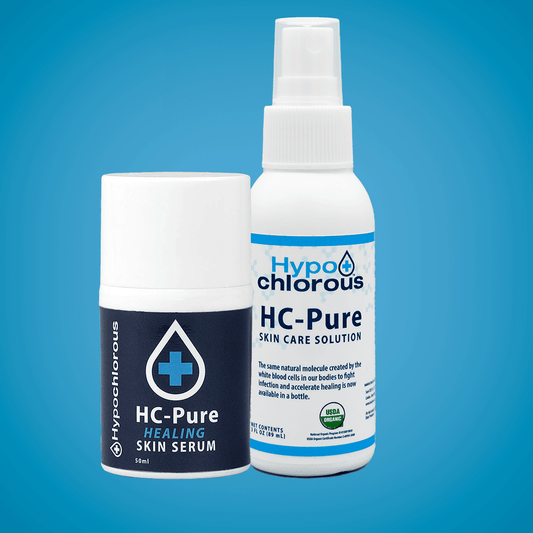
TryHypo’s hypochlorous acid approach is built for that reality: serious germ-fighting performance in a formula made for the places and people you protect most. Choosing a well-labeled, effective wipe lets you clean with confidence instead of holding your breath.
A healthier home is not one that smells like a chemical aisle. It is one where you can handle the mess in front of you, use the product correctly, and get back to living in the space you worked hard to protect.