A baby puts everything in their mouth. That is exactly why parents read every label twice.
If you are asking is hypochlorous acid safe for babies, the short answer is yes - when you are using a properly formulated hypochlorous acid product as directed. That matters, because baby safety is never just about the ingredient name. It is about concentration, purity, added ingredients, and where you are using it.
Hypochlorous acid, often written as HOCl, stands out because it is both powerful and gentle. It is used for sanitizing and hygiene in settings where harsh chemical residue is a real concern. For families trying to move away from bleach-heavy cleaners, strong fragrances, and multi-step product routines, that makes it a smart upgrade.
Is hypochlorous acid safe for babies on skin and surfaces?
In many cases, yes. Hypochlorous acid is generally considered safe for baby-adjacent use because it is non-toxic, gentle, and effective against a wide range of germs. Unlike conventional disinfectants that can leave behind irritating fumes or residues, HOCl breaks down into simple substances and does not behave like a harsh household chemical.
That said, parents should not treat every bottle labeled with a science-forward ingredient as interchangeable. Some products combine hypochlorous acid with preservatives, fragrances, surfactants, or other actives that make them less suitable for baby use. A clean formula matters as much as the active ingredient itself.
Used correctly, hypochlorous acid can make sense for high-touch surfaces, baby toys, changing tables, stroller handles, high chairs, and other daily mess zones. Some formulations are also designed for skin-friendly applications. That can be especially appealing for families dealing with spit-up, sticky hands, and constant cleanup without wanting to switch between five different products.
Why hypochlorous acid feels different from typical cleaners
Most parents already know what they do not want around a newborn or toddler - bleach fumes, alcohol-heavy sprays, overpowering fragrance, and labels full of warnings. Hypochlorous acid offers a different profile.
HOCl is a compound your own body naturally produces as part of its immune response. That does not automatically make every commercial product perfect for babies, but it does help explain why the ingredient is often associated with gentler hygiene support. It is not a trendy plant extract making big promises. It is a well-studied molecule with real disinfecting power.
The practical benefit is simple. You get strong germ-fighting performance without relying on the same harsh chemicals many parents are actively trying to remove from their homes. For families who want fewer toxins, fewer products, and fewer compromises, that is the real appeal.
Where baby-safe hypochlorous acid products are commonly used
For most households, the question is less about whether HOCl exists and more about where it fits into real life. Parents tend to use hypochlorous acid on hard, non-porous baby items and everyday surfaces that collect germs fast.
That includes toys, play mats, crib rails, high chair trays, diaper pails, countertops, changing pads, and car seat surfaces when the manufacturer allows surface cleaning. It can also be useful around pacifier cases, breast pump storage areas, and the outside surfaces of feeding accessories. The big advantage is convenience. One well-formulated product can often replace multiple harsher sprays and wipes.
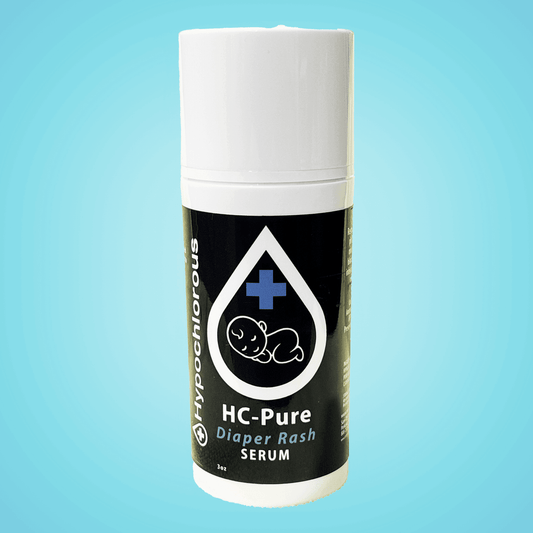
Some hypochlorous acid products are also made for skin-friendly use. In those cases, parents may use them for gentle cleansing support around minor everyday irritations or messy moments. But this is where reading the label matters most. Surface-safe does not always mean skin-safe, and baby-safe does not mean use it anywhere without thought.
When to be more careful
This is where nuance matters. Hypochlorous acid has a strong safety profile, but babies are babies. Their skin is thinner, their habits are unpredictable, and their environments need extra care.
Be cautious if the product is not clearly labeled for the type of use you have in mind. Do not assume a disinfectant for counters should be sprayed directly onto skin. Avoid products with added fragrance, dyes, or extra chemical ingredients if your goal is the simplest baby-safe routine possible. If your baby has eczema, very reactive skin, or a known sensitivity, patch testing or asking your pediatrician is the smarter move.
You should also avoid using any cleaner, even a gentler one, in a way that creates unnecessary inhalation exposure. Good products are designed for practical household use, not for fogging the nursery air. Spray onto the surface you are cleaning, follow directions, and let it dry as recommended.
For feeding items, bottles, nipples, and anything that goes directly into a baby’s mouth, follow the item manufacturer’s cleaning guidance and the product label carefully. Some HOCl products may be suitable for these uses, but not all. Parents should never fill in the blanks with assumptions.
How to choose the right HOCl product for a baby household
The safest choice is not the most aggressively marketed one. It is the one with the clearest formulation and the right use instructions.
Look for a product that lists hypochlorous acid clearly and keeps the rest of the formula minimal. If it is meant for disinfecting, it should have straightforward directions and contact times. If it is meant for skin or sensitive-use environments, that should be stated plainly. Products designed for families often avoid fragrance and unnecessary additives, which is exactly what you want around babies.
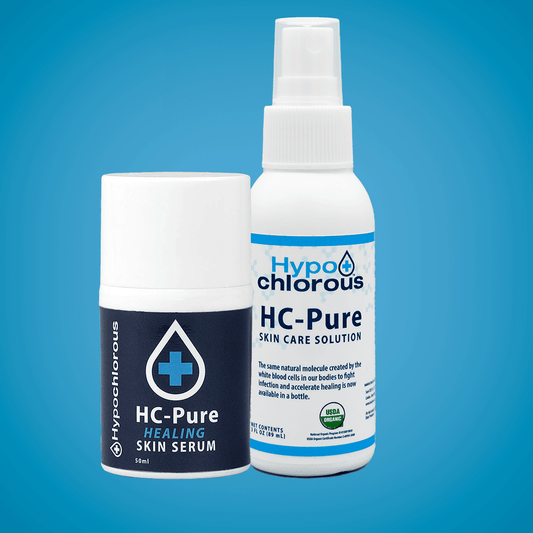
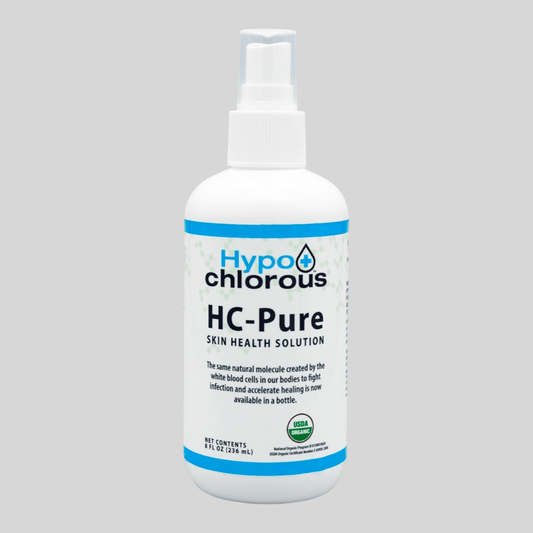
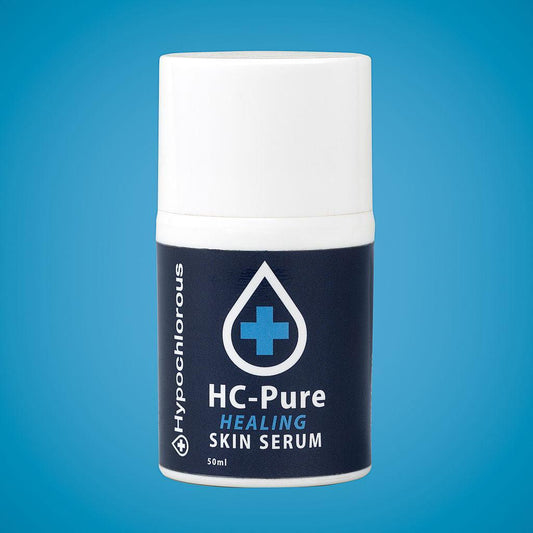
It also helps to pay attention to product quality and stability. Hypochlorous acid is highly effective, but it is not an ingredient where sloppy manufacturing inspires confidence. Parents should choose brands that treat HOCl like serious science, not like a vague clean-living trend. At TryHypo, that means making advanced chemistry practical, family-safe, and easy to use where it actually matters.
What parents usually worry about most
The first concern is residue. With traditional cleaners, that concern is valid. If a baby licks a toy or presses their face against a recently cleaned surface, leftover chemicals become part of the conversation fast. Hypochlorous acid is appealing because it does not leave the same kind of harsh residue profile associated with many conventional products.
The second concern is whether gentle means weak. Parents are not looking for a feel-good spray that does nothing. They want something that actually handles germs. This is where HOCl earns its place. It has real antimicrobial performance, which is why it is used in demanding hygiene settings beyond the average home.
The third concern is confusion. Is it a cleaner, a disinfectant, a skin product, or all three? The answer depends on the formulation. That is not a red flag. It just means parents should match the product to the job instead of assuming all HOCl products work the same way.
So, is hypochlorous acid safe for babies?
For most families, yes - a properly formulated hypochlorous acid product is a safe and practical option for baby-adjacent cleaning and hygiene. It offers something rare in the home care aisle: strong performance without forcing you to choose between germ control and peace of mind.
The key is using the right product in the right way. Choose simple formulas. Read the label. Respect the intended use. If a product is made for sensitive environments and free from unnecessary extras, hypochlorous acid can be one of the easiest ways to clean smarter around babies.
Parents already juggle enough. The products in your home should not make that harder. The best baby-safe cleaner is the one you trust enough to use every day, on the surfaces your child touches most, without second-guessing what it leaves behind.