A kitchen counter after lunch. A high chair between snacks. A dog bed, bathroom faucet, phone screen, and laundry basket all waiting for attention. A multi purpose disinfectant spray earns its place in your home when it can handle real life without leaving behind a harsh chemical smell, a sticky residue, or a long list of warnings.
The old approach to cleaning asked families to keep a separate product for every room and problem. One for the bathroom, one for the kitchen, one for pet messes, one for baby gear, one for odors, and another for surfaces you are afraid to touch after spraying. That is more clutter, more expense, and more opportunities to bring unnecessary chemicals into the spaces where your family eats, plays, and rests.
A smarter routine starts with choosing one high-performance formula you can reach for often and feel good about using.
What a Multi Purpose Disinfectant Spray Should Do
Not every all-purpose cleaner is a disinfectant, and that difference matters. A cleaner may lift dirt, grease, crumbs, and visible messes. A disinfectant is formulated and tested to kill specific germs on hard, nonporous surfaces when used according to its label directions. The best multi-purpose option brings those jobs closer together, so your routine is simpler without becoming less effective.
For busy households, versatility is more than convenience. It means you are more likely to clean the high-touch places that get skipped when the right bottle is in another room: door handles, light switches, fridge handles, remote controls, faucets, and trash-can lids. A product that is easy to use consistently can make a bigger difference than a cabinet full of products you avoid using.
A true household workhorse should also fit the environments that need frequent care. Think kitchen surfaces, bathrooms, nursery items, pet areas, gym gear, reusable water bottles, and the everyday objects that move between your hands and your face. Still, “multi-purpose” should never mean “use it without reading the label.” Surface compatibility, contact time, and intended uses always matter.
Why Harsh Cleaners Are Not the Only Option
For decades, harsh fumes were treated as proof that a product was working. That is not a standard your home has to accept. Strong fragrance, bleach-heavy formulas, and aggressive solvents can make cleaning unpleasant, especially for people with sensitivities, children, pets, or anyone who wants to reduce chemical exposure indoors.
Hypochlorous acid, often called HOCl, offers a different path. It is a molecule your body naturally produces as part of its immune response. In properly formulated household products, HOCl can deliver serious germ-fighting performance while being far more approachable for everyday use than many conventional disinfectants.
That balance is why HOCl has become a standout choice for health-conscious households. You should not have to choose between a product that feels family-friendly and one that is capable of handling the messes and germs that come with family life.
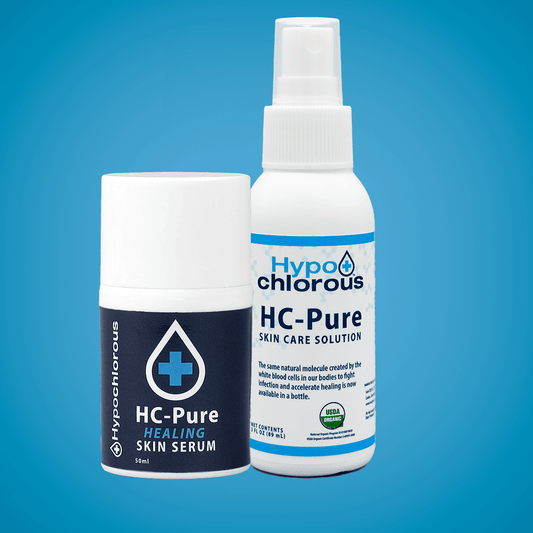
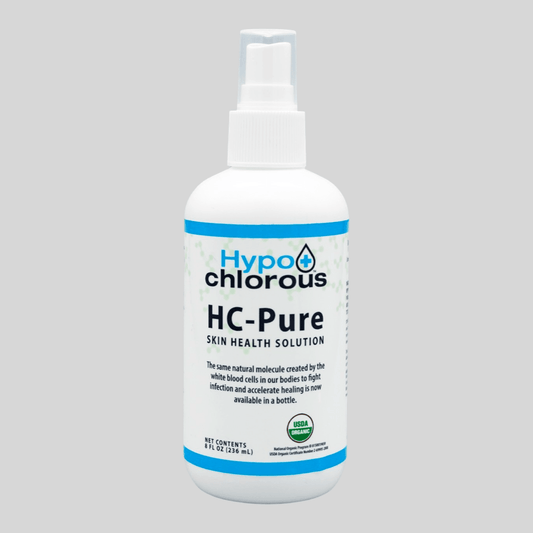
Hypochlorous Company builds its product approach around that idea: advanced chemistry made practical enough for the places you clean most. The goal is not to make cleaning complicated. It is to help you replace unnecessary product overload with a formula designed for frequent, confident use.
The Science Is in the Details
A disinfectant claim is not just marketing language. In the United States, products marketed to kill germs on surfaces generally need EPA registration, and their labels specify which organisms they are tested against and how they must be used. That includes the required contact time, or how long a surface needs to remain visibly wet for the disinfection claim to apply.
This is where many cleaning routines fall short. A quick spray-and-wipe may clean a surface, but it may not provide the dwell time required for disinfection. Before you spray, remove heavy dirt or food residue when needed. Then apply enough product to thoroughly wet the surface, wait for the label-listed contact time, and wipe or allow it to air dry as directed.
That process is simple, but it is not optional. More product is not always better, and using a product outside its labeled directions does not make it more effective. Good disinfection comes from the right formula, used the right way.
For porous materials, unfinished wood, natural stone, electronics, and specialty surfaces, check the manufacturer’s instructions first. Test in a hidden area when you are unsure. A multi-purpose spray can reduce the number of bottles under your sink, but no responsible product should promise to be perfect for every material in every situation.
Where One Spray Can Simplify Your Routine
The highest-value cleaning habits are rarely dramatic. They are the small resets that prevent a bigger mess from building up. Keep your spray where it will actually be used, then use it to make quick care part of the rhythm of the day.
In the kitchen, focus on counters, cabinet pulls, refrigerator handles, sink fixtures, and the outside of small appliances. For food-contact surfaces, follow the product label for any required rinsing instructions. In the bathroom, give attention to faucets, flush handles, toilet exteriors, drawer pulls, and the areas around the sink where residue gathers fast.
Around children, the appeal is obvious: fewer harsh products competing for space near high chairs, changing stations, toys, and play tables. But baby items are not all made the same. Follow the directions for the specific item and product, especially for anything a child may put in their mouth.
Pet households have their own version of high-touch living. Paws track the outdoors inside. Bowls, crates, carriers, leashes, litter areas, and favorite nap spots need regular cleaning. Choose products with directions appropriate for pet environments, and allow surfaces to dry as directed before your animal returns to the area.
Do not forget the items that travel everywhere with you. Phones, keyboards, steering wheels, gym equipment, and reusable bags collect more daily contact than most people realize. Electronics require extra care, so apply product to a cloth rather than directly to the device unless the manufacturer says otherwise.
How to Choose a Better Everyday Disinfectant
Start with the label, not the front-of-bottle hype. Look for clear directions, intended uses, surface guidance, and germ claims that match what you need. If disinfection is a priority, look for an EPA-registered product and use it exactly as instructed. If you are shopping for a family-centered routine, consider fragrance, ingredient transparency, residue, and whether the product makes sense for the rooms you clean most often.
You should also think about the friction in your current routine. Are you avoiding a cleaner because the scent is overwhelming? Are you storing products out of reach because you do not want them near children or pets? Do you buy multiple bottles that do nearly the same job? The right product should remove barriers, not create more of them.
Refill options can matter, too. A product you use often should not require constant plastic bottle purchases. Concentrates and refill systems can help reduce waste and keep your preferred cleaner ready when you need it.
There is a trade-off worth acknowledging. Specialized products can still have a role for jobs like oven buildup, mold remediation, or severe mineral deposits. One multi-purpose disinfectant spray is not a replacement for every tool in every extreme situation. It is the dependable everyday option that keeps routine cleaning from turning into a chemical-heavy production.
A Cleaner Home Should Feel Easier
The best cleaning upgrade is not another complicated protocol. It is the confidence that the bottle in your hand is effective enough for life’s daily messes and thoughtfully chosen for the people and animals sharing your space.
Put your spray where the action happens, follow the label when disinfection is needed, and use it before small messes become big ones. A simpler cleaning cabinet leaves more room for what your home is actually for: feeding people, welcoming pets, raising kids, resting well, and living fully.