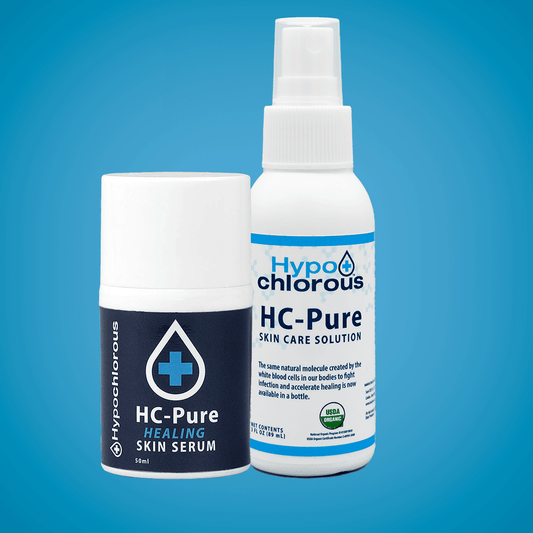
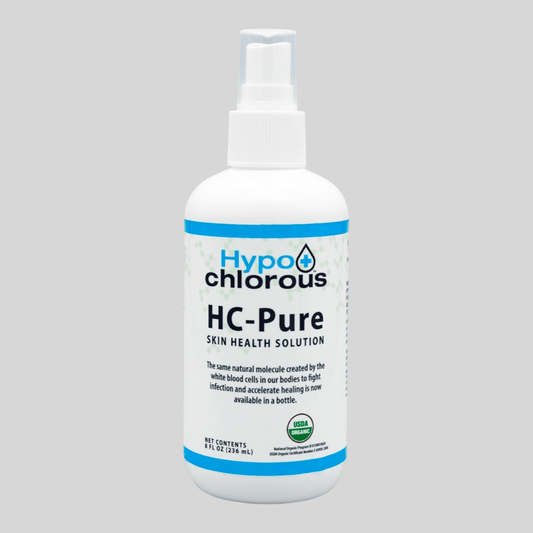
A breakout can make every new product feel like a gamble. You want to calm the skin without adding a harsh active that leaves it stinging, dry, or even more reactive. So, is hypochlorous acid good for acne? It can be a smart, gentle supporting step for many acne-prone routines, especially when sweat, bacteria, irritation, or frequent touching are part of the picture.
Hypochlorous acid, often called HOCl, is not a replacement for every acne treatment. It does not work like retinoids, benzoyl peroxide, or salicylic acid, which each target acne through specific pathways. But it can help support a cleaner, more comfortable skin environment without the strong fragrance, alcohol, or residue that sensitive skin often does not tolerate well.
What Hypochlorous Acid Does for Acne-Prone Skin
HOCl is a molecule your body naturally produces as part of its immune response. In properly formulated skin sprays, it is used as a gentle antimicrobial and cleansing ingredient. It helps reduce microbes on the skin's surface and can be especially useful after workouts, under face masks or helmets, after travel, or whenever your skin has been exposed to sweat and grime.
Acne is not caused by one thing. It can involve excess oil, clogged pores, inflammation, hormones, and the activity of Cutibacterium acnes, a bacteria associated with breakouts. That is why a single product rarely solves every type of acne. Hypochlorous acid is most useful as a supportive layer: it helps keep skin feeling fresh while being less likely to create the dryness that can make an already stressed moisture barrier worse.
For people prone to redness or sensitivity, that distinction matters. Over-scrubbing and stacking too many strong acne products can leave skin tight, flaky, and inflamed. When skin is irritated, it may be harder to stay consistent with the treatments that actually need time to work.
Is Hypochlorous Acid Good for Acne?
For mild, occasional breakouts, hypochlorous acid may be a helpful addition to a simple routine. Its biggest benefit is that it offers a low-drama way to refresh skin between cleansing and treatment steps. Think of it as practical hygiene for your face, not a miracle spot treatment.
It may be especially appealing if you deal with acne alongside sensitivity. Traditional acne products can be effective, but they also commonly cause peeling, burning, or dryness during the adjustment period. A skin-safe HOCl spray can offer a gentler option for freshening the skin throughout the day without adding heavy oils, perfumes, or aggressive exfoliants.
Still, the answer depends on what kind of acne you have. If your concern is blackheads and clogged pores, salicylic acid or a retinoid may do more to address the pore buildup. If you have inflamed pimples, benzoyl peroxide or prescription treatment may be more appropriate. For deep, painful cysts, scarring, or acne that is affecting your confidence, a dermatologist can help you find a plan that goes beyond surface-level care.
HOCl earns its place by making a routine easier to tolerate and easier to maintain. Consistency is often more valuable than an overloaded bathroom shelf.
Where It Fits in a Simple Routine
Use only a hypochlorous acid product made and labeled for skin. A household disinfectant, even one made with HOCl, is not automatically designed for facial use. Skin-focused formulas should be free from unnecessary fragrance and paired with clear directions for personal care.
After cleansing, mist clean, dry skin and let it air-dry. You can then apply your usual acne treatment and moisturizer. If you use a drying active such as a retinoid, benzoyl peroxide, or exfoliating acid, giving each layer a moment to dry can help prevent pilling and unnecessary irritation.
HOCl can also be useful when a full cleanse is not practical. After the gym, spray your face, hairline, chest, or back before you can shower. If you wear a mask, helmet, or hat for long stretches, a quick skin refresh may help remove the sweat and buildup sitting on the surface. It can also be a helpful step after touching your face, changing pillowcases, or cleansing makeup brushes - all small habits that support a cleaner routine.
For body breakouts, spray the affected area after sweating and before clean clothes. Acne on the chest and back often has different triggers than facial acne, including tight athletic clothing and friction. HOCl will not eliminate those triggers, but it can be a practical part of managing them.
What Hypochlorous Acid Will Not Do
A gentle spray should not be asked to do the job of a complete acne plan. Hypochlorous acid does not dissolve clogged pores the way salicylic acid can. It does not regulate cell turnover as a retinoid does. It does not address hormonal shifts that can lead to persistent jawline or chin breakouts.
That does not make it less valuable. It simply makes the role clearer. Use HOCl to support skin hygiene, reduce the urge to over-cleanse, and give sensitive or stressed skin a more comfortable reset. Then choose targeted acne treatments based on your specific concerns and your skin's tolerance.
Be cautious of any claim that promises to cure acne overnight. Real skin progress is usually quieter than that: fewer angry flare-ups, less irritation, and a routine you can follow long enough to judge fairly.
How to Use It Without Overdoing Your Routine
The simplest approach is usually the strongest. Cleanse gently, spray HOCl, apply one proven acne active if you use one, moisturize, and wear sunscreen during the day. Acne-prone skin still needs moisture. Skipping moisturizer can leave skin feeling stripped and may make strong treatments harder to use consistently.
If you are adding HOCl for the first time, patch test it on a small area and introduce one new product at a time. While hypochlorous acid is generally considered gentle, every person's skin can react differently to a full formula. Stop use if you notice burning, a rash, or persistent discomfort.
Avoid picking, squeezing, or repeatedly wiping breakouts with harsh toners. Those habits can drive irritation and increase the risk of lingering marks. Clean hands, clean pillowcases, a gentle cleanser, and thoughtfully chosen treatment steps are less flashy than a 10-step routine, but they are often more effective.
When to Talk With a Dermatologist
Professional care is worth considering when acne is painful, widespread, causing dark marks or scars, or not improving after a consistent routine. A dermatologist can identify whether your breakouts may be acne, folliculitis, rosacea, or another skin concern that needs a different approach.
It is also wise to ask before using acne actives during pregnancy, while nursing, or if you have eczema, a compromised skin barrier, or a history of significant skin reactions. The goal is not to throw stronger products at the problem. It is to find the least irritating routine that gives your skin the support it needs.
Hypochlorous acid can be a reassuring everyday tool for acne-prone skin: simple, gentle, and easy to reach for when sweat, friction, and life get in the way. Give your skin a clean foundation, keep the rest of your routine intentional, and let steady care do the heavy lifting.