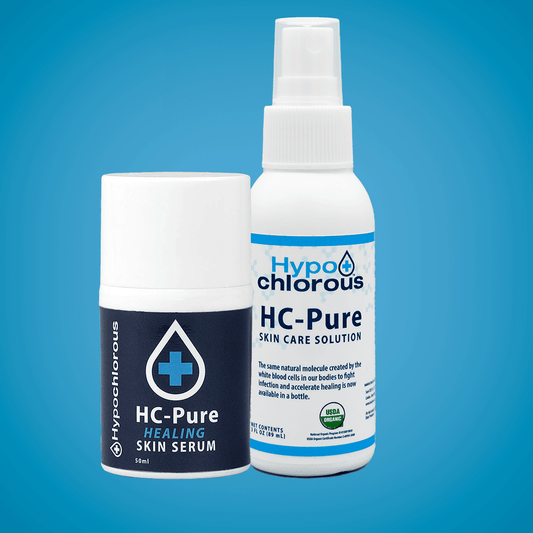
A bottle that promises to kill germs can still create a new problem: faded fabrics, irritated skin, damaged finishes, or fumes you would rather not breathe around your kids and pets. That is the real question behind hypochlorous acid versus hydrogen peroxide. Both can play a role in cleaning and hygiene, but they are not interchangeable - especially in a home where one product needs to work across high-touch surfaces, baby gear, pet areas, and everyday messes.
Hydrogen peroxide has been a medicine-cabinet staple for generations. Hypochlorous acid, or HOCl, is newer to many households, even though it is a molecule your body naturally produces as part of its immune response. Understanding how each works makes it easier to choose the right tool, use it correctly, and cut down on the harsh products crowding your cabinets.
Hypochlorous Acid Versus Hydrogen Peroxide: The Core Difference
Hydrogen peroxide is an oxidizer. It works by releasing oxygen and disrupting the structures that microorganisms need to survive. It can be effective for certain cleaning, whitening, and stain-removal jobs, particularly at the right concentration and contact time. But that same oxidation can be hard on dyes, fabrics, some metals, and sensitive surfaces.
Hypochlorous acid also works through oxidation, but its chemistry and everyday use profile are different. HOCl is a powerful antimicrobial molecule that attacks germs quickly while breaking down into simple components after use. Properly formulated hypochlorous acid products are designed to deliver strong cleaning and disinfecting performance without relying on heavy fragrance, bleach-like residue, or a complicated list of active chemicals.
For a family household, that distinction matters. Hydrogen peroxide is often a targeted treatment: a stain, a whitening task, or a specific cleaning need. Hypochlorous acid is built for the repeated, high-frequency jobs that happen all day - wiping the counter after lunch, refreshing a bathroom surface, cleaning a pet area, or sanitizing the things little hands touch most.
Germ-Killing Performance Depends on the Product and the Job
No active ingredient should be judged by a catchy claim alone. Concentration, formulation, surface type, soil level, and contact time all affect performance. A disinfectant must remain wet on the surface for the contact time listed on its label, and visible dirt should be cleaned away first when needed.
Hydrogen peroxide products vary widely. The familiar brown bottle in a first-aid kit is commonly a 3% solution, while some household and commercial products use different concentrations or combine peroxide with other ingredients. Higher concentration does not automatically mean it is the better choice for every home. It can raise the risk of material damage and skin or eye irritation.
Hypochlorous acid products also vary in quality and intended use. Look for a product made for the job at hand, and follow its label exactly. When choosing a surface disinfectant, EPA registration and label directions matter. When choosing a skin-focused spray, use a formula specifically intended for skin. One molecule can be versatile, but a responsible product still tells you where and how to use it.
The practical advantage of HOCl is that it can bring high-efficacy germ control into routine cleaning without making every wipe-down feel like a chemical event. That makes consistency easier. And consistency is what keeps high-touch spaces cleaner between the bigger cleaning days.
Which Is Safer Around Kids, Pets, and Sensitive Spaces?
“Safer” does not mean careless. Any cleaner should be stored responsibly, kept out of eyes, and used according to the label. Still, the ingredient profile changes what everyday use feels like.
Hydrogen peroxide can sting on broken or irritated skin and may cause whitening or bleaching of skin, textiles, and colored materials. It can also degrade certain finishes over time. If you are treating a stain on white laundry or cleaning a material that specifically tolerates peroxide, those properties may be useful. If you are reaching for one spray to use around a crawling baby, a curious dog, or a fabric sofa, they are less appealing.
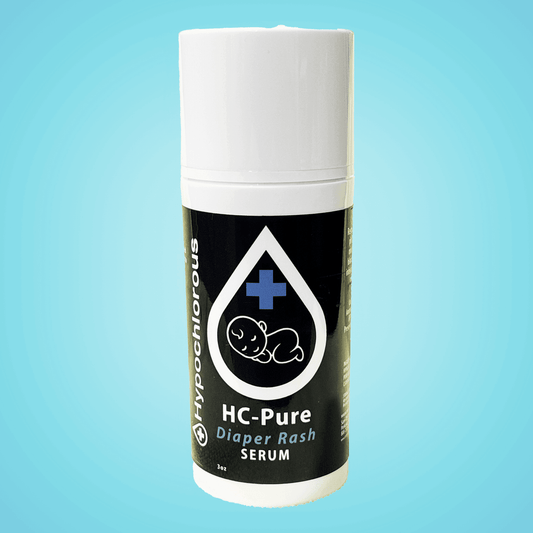
Hypochlorous acid is widely valued because it is gentle enough for sensitive-use environments when used in an appropriate formulation. It is a better fit for the places where harsh residue and strong odors do not belong: children’s toys, pet bowls, bathroom counters, high chairs, doorknobs, and many other frequently touched surfaces. It can also simplify the mental load of cleaning. Instead of stopping to ask whether a product is too harsh for a particular room, you can use a multipurpose solution designed for daily life.
That does not mean HOCl is magic or that every material needs the same treatment. For delicate fabrics, unfinished wood, natural stone, electronics, and specialty finishes, follow the manufacturer’s care instructions and spot-test when appropriate. Smart cleaning is not about treating every surface the same. It is about choosing chemistry that gives you more safe options.
Surface Compatibility and the Bleaching Question
Hydrogen peroxide is often associated with whitening for a reason. It can help lift stains and brighten whites, but it may also discolor colored fabrics, weaken fibers with repeated use, or affect certain painted and coated surfaces. It is not automatically a bad choice - it is simply a more specialized one.
Hypochlorous acid is generally the more practical choice for broad household use because it is not used as a bleaching agent. It is especially helpful when you want to clean and deodorize without gambling with the color of a rug, the finish on a table, or the materials in a child’s play space.
For laundry, peroxide may still have a place in a carefully selected whitening routine. For daily surface cleaning, bathroom touch-ups, trash-can odors, pet accidents, and the endless cycle of wiping down tables and counters, HOCl offers a more flexible approach. Fewer specialized bottles means fewer opportunities to grab the wrong one.
Skin, Wounds, and Personal Care Need Extra Care
This is where many households make an understandable mistake: assuming that because an ingredient has long been used in first aid, it is automatically the best option for skin.
Hydrogen peroxide was historically used to clean minor cuts, but frequent use on wounds is not always recommended because its oxidative action can damage healthy cells along with unwanted microbes. It is not a substitute for medical advice or appropriate wound care.
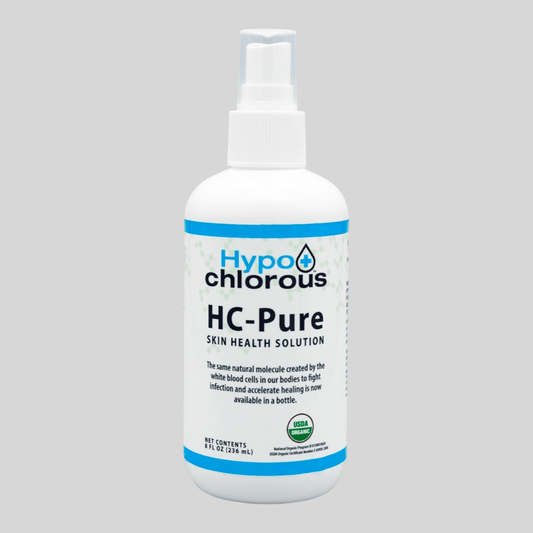
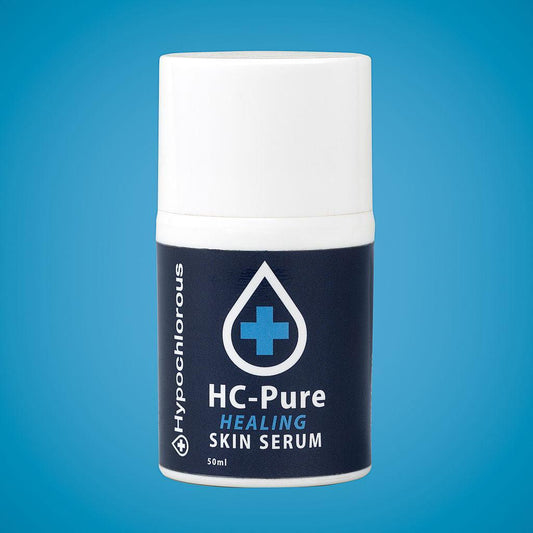
Hypochlorous acid is biologically familiar to the body, which is why HOCl-based products have become popular in skin-care and personal-hygiene routines. A skin-specific hypochlorous acid spray may help support a clean-feeling routine for sweaty skin, minor everyday irritation, or post-workout refreshes. But use only products labeled for skin, avoid making medical claims beyond the product label, and contact a health professional for deep wounds, bites, burns, signs of infection, or persistent skin concerns.
The same rule applies to oral-care accessories. A formula designed for dental appliances can be useful for keeping retainers, aligners, and mouth guards fresh and clean. A countertop cleaner is not automatically an oral-care product just because it contains HOCl.
The Mixing Rule: Keep Cleaning Chemistry Simple
Never mix hydrogen peroxide with other cleaners unless the product manufacturer explicitly instructs you to do so. Mixing chemicals can create irritating or hazardous reactions, and DIY combinations make it harder to know whether the final solution is effective.
This is another reason a well-designed hypochlorous acid cleaner is so useful. It removes the pressure to become your own chemist. Use the product as directed, give it its labeled contact time, and let one thoughtfully formulated solution handle more of the jobs already on your list.
When Hydrogen Peroxide Still Makes Sense
Hydrogen peroxide is not the enemy. It can be useful for select stain-removal and whitening applications where the material is known to be peroxide-safe. It may also be part of professional-grade or purpose-built cleaning systems.
But it is not the easiest all-purpose choice for homes focused on low-tox cleaning. Its potential to bleach, its material limitations, and its less comfortable fit for repeated use around sensitive spaces mean it often belongs in the “specific task” category rather than the “reach for it every day” category.
For most daily cleaning decisions, the better question is not which ingredient sounds stronger. It is which one gives your household effective germ control with fewer compromises. That is where a quality hypochlorous acid solution earns its place.
A cleaner should help you protect your home without turning ordinary care into a risk calculation. Keep peroxide for the narrow jobs it does well, then choose a properly formulated HOCl product for the surfaces, routines, and people you care for every day.