A new piercing should not need a cabinet full of harsh products. It needs clean hands, minimal interference, and an aftercare routine that respects healing skin. That is why hypochlorous acid for piercings has caught the attention of people looking to move beyond alcohol, peroxide, and heavily fragranced products.
Hypochlorous acid, often called HOCl, is a compound your own immune cells naturally produce as part of their defense system. In properly formulated skin sprays, it can offer a gentle way to freshen the outside of a piercing area without the sting, residue, or aggressive drying associated with many conventional antiseptics.
But gentle does not mean you should spray anything on a fresh piercing without thinking. The right routine depends on the piercing, its stage of healing, your skin, and the product’s intended use.
Why harsh piercing care can slow things down
The instinct after a new piercing is understandable: disinfect it constantly. Yet over-cleaning is one of the easiest ways to create more irritation. Alcohol can sting and dry the tissue. Hydrogen peroxide can damage healthy cells involved in healing. Strong soaps, ointments, essential oils, and fragranced products can leave residue or trigger sensitivity.
A piercing is a healing channel, not a dirty surface that needs to be stripped clean. When the surrounding skin becomes dry, red, flaky, or sore from an overly aggressive routine, it can be harder to tell ordinary irritation from a real problem.
The goal is simpler: keep the area clean, avoid introducing bacteria with unwashed hands, and let the body do the work it is designed to do.
Where hypochlorous acid for piercings may fit
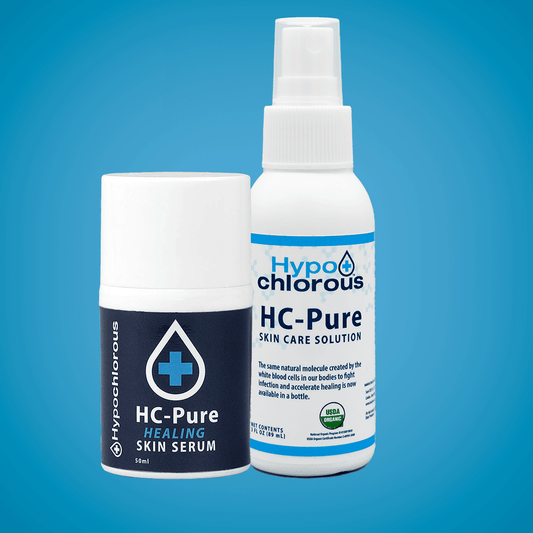
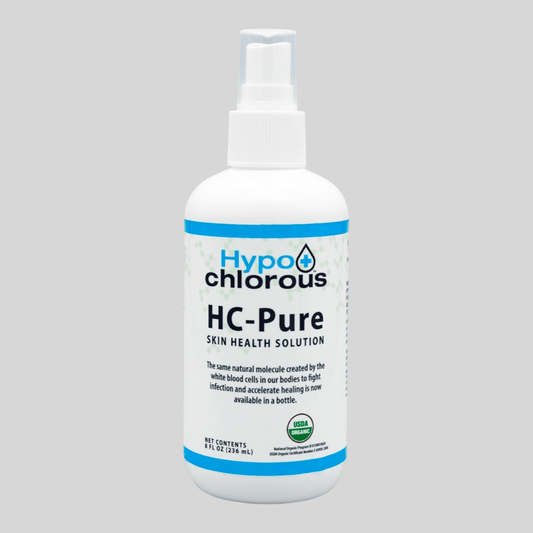
A skin-safe hypochlorous acid spray may be a useful addition to a low-intervention aftercare routine. HOCl is water-based, typically fragrance-free, and known for being well tolerated by many people with sensitive skin. It can be especially appealing for freshening the outer skin around a piercing after sweat, workouts, makeup, hair products, or a day spent touching your face more than you meant to.
The appeal is not that HOCl should turn aftercare into a complicated ritual. It is the opposite. A simple, properly formulated spray can help you avoid reaching for products that are too harsh for healing skin.
That said, sterile saline remains the standard recommendation from many professional piercers for routine healing care. It is simple, predictable, and designed to gently rinse away buildup without adding extra ingredients. Think of hypochlorous acid as a potential supportive option, not a reason to abandon the basics that your piercer gave you.
Check the label before it touches skin
Not every product containing hypochlorous acid belongs on a piercing. Some HOCl products are made for hard surfaces, pet areas, or household disinfection. A product’s ingredient may be familiar, but its concentration, purity, pH, packaging, and directions matter.
Choose a product explicitly intended for skin use and follow its instructions. Avoid products with added fragrance, essential oils, acids, or other active ingredients unless a qualified clinician has advised you otherwise. If the label says it is for surfaces only, keep it on surfaces only.
Also remember that an EPA registration for a disinfectant applies to the labeled surface-use claims. It does not automatically make a product appropriate for use on skin or inside a piercing channel.
How to use HOCl without overdoing it
If your piercer is comfortable with it and you have selected a skin-safe formula, use hypochlorous acid lightly. Start by washing your hands thoroughly. Spray the skin around the piercing from a reasonable distance, or apply it to clean gauze if the product directions allow. Let it air dry unless the label says otherwise.
There is no need to twist, rotate, or remove the jewelry. Those old habits can irritate the healing channel and introduce bacteria from your fingers. Let the jewelry stay still.
For most people, once or twice daily is more than enough when using any aftercare product. More product is not better care. If the area feels dry, tight, itchy, or increasingly irritated after adding HOCl, stop using it and return to the aftercare plan recommended by your piercer or clinician.
A practical routine can be as simple as sterile saline for routine rinsing, gentle showers, and a skin-safe HOCl spray only when it makes sense for your lifestyle. For example, it may be convenient after exercise when sweat and friction have collected around an ear, nostril, or navel piercing. Keep hair products, cosmetics, and dirty phone screens away from facial piercings whenever possible.
The piercing location changes the equation
A healed earlobe piercing is very different from a fresh cartilage, navel, nipple, or oral piercing. Healing times vary widely, and areas exposed to friction, pressure, moisture, or movement demand more patience.
Cartilage piercings are especially prone to irritation from sleeping on them, headphones, helmets, and hair. No spray can solve pressure damage, so protecting the piercing from friction matters more than adding another product. A travel pillow or simply changing sleep position can make a real difference.
For oral piercings, use products intended for oral use only. Do not spray a skin or surface cleaner into your mouth because it contains HOCl. Follow your piercer’s oral aftercare guidance and speak with a dental professional if you have concerns about swelling, tooth contact, or gum irritation.
Genital piercings and deeply placed piercings deserve extra caution, too. Product sensitivity can be higher in these areas, and personalized advice from an experienced piercer or healthcare professional is worth getting before you experiment.
What normal healing can look like
A little tenderness, mild swelling, clear or pale-yellow lymph fluid that dries into crust, and occasional itching can all happen during normal healing. These signs are often inconvenient, but they are not automatically evidence of infection.
The most helpful habit is to watch the overall trend. A piercing that gradually becomes less tender and less swollen is moving in the right direction, even if it has an occasional fussy day. Avoid picking at crusties. Soften them gently with saline or clean shower water and let them release naturally.
Watch for warning signs that are getting worse rather than better: spreading redness, increasing heat, throbbing pain, significant swelling, thick foul-smelling discharge, red streaking, fever, or feeling unwell. Seek medical care promptly if these occur. Do not remove the jewelry on your own if you suspect an infection unless a clinician tells you to do so, since removing it can allow the channel to close and potentially trap drainage.
A cleaner routine starts with fewer irritants
The strongest aftercare routine is rarely the most aggressive one. It is the one you can follow consistently without drying out your skin or constantly disturbing the jewelry. Sterile saline, clean hands, fresh pillowcases, and patience do more for most healing piercings than a lineup of harsh chemicals ever will.
Hypochlorous acid can be a smart, modern option when it is a skin-safe formula used thoughtfully around the piercing. Keep the routine calm, listen to your skin, and let healing have the time and space it needs.