A walk should end with a wagging tail, not a mystery mix of sidewalk grime, lawn residue, puddle water, and allergens traveling through your home. Hypochlorous acid for dog paws gives pet parents a gentler way to clean up after everyday adventures without reaching for harsh, fragranced chemicals that do not belong near licking tongues or sensitive paw pads.
For most dogs, a simple paw routine is about consistency, not over-cleaning. The goal is to remove what they picked up outside, keep the spaces between their toes clean, and notice small changes before they become bigger problems.
Why dog paws need everyday care
Your dog's paws handle more than dirt. They come into contact with mud, bacteria, pollen, de-icing salts, fertilizers, pesticides, standing water, and residue from public surfaces. Then they step onto your floors, furniture, and sometimes straight into bed.
That does not mean every walk requires a complicated decontamination routine. Healthy paws have a protective barrier, and too much scrubbing or repeated use of strong products can leave skin dry and irritated. But a quick, pet-conscious clean after walks can reduce what comes indoors while helping you keep an eye on your dog's comfort.
Pay special attention after walks on treated sidewalks, trips to dog parks, rainy-day outings, or trail hikes. Dogs with seasonal allergies, a habit of licking their feet, or folds between their toes may also benefit from more regular paw checks.
What hypochlorous acid does for dog paws
Hypochlorous acid, often called HOCl, is a molecule your own immune system naturally produces as part of its defense against microbes. In a properly formulated topical spray, it can help cleanse skin and reduce odor-causing contamination without the sting or overpowering scent associated with many conventional cleaners.
That makes HOCl especially useful for the practical realities of pet care. It can freshen dirty paws, clean between toes, and support a cleaner environment after outdoor time. It is also convenient when your dog will not tolerate a full paw wash or when you need a quick clean before they jump on the couch.
The formula matters. Hypochlorous acid is not interchangeable with household bleach, chlorine pool products, or DIY mixtures. A product intended for pet or skin-adjacent use should be clearly labeled for that purpose and used exactly as directed. Avoid products with added fragrance, essential oils, alcohol, or ingredients that may be irritating if your dog licks a freshly cleaned paw.
How to use hypochlorous acid for dog paws
Start by looking at the paws, not just spraying them. Check the pads, nails, and skin between the toes for burrs, pebbles, mud, cuts, swelling, or redness. If there is visible dirt, wipe it away first with a clean, damp cloth. HOCl works best as part of a clean routine, not as a substitute for removing a layer of mud.
Spray the product lightly onto a clean cloth or directly onto the paw if the label allows it. Gently wipe the pad and each toe, including the spaces where debris tends to collect. Let the paws air-dry unless the directions specify otherwise. No hard scrubbing is needed.
For a dog that dislikes spray sounds, apply the solution to a soft cloth away from your dog, then wipe each paw calmly. Pair the routine with a treat, a cue like “paws,” and a relaxed tone. A 30-second routine is far easier to maintain than a stressful bath after every walk.
If your dog has long fur around the feet, dry the area thoroughly after wet walks. Moisture trapped between toes can contribute to odor and irritation, regardless of what cleanser you use.
When a simple wipe is enough
For dry, ordinary walks, a quick wipe of the pads and toe areas may be all your dog needs. This is a smart option before your dog settles on rugs, bedding, or furniture, especially if someone in the household is sensitive to outdoor allergens.
On rainy or muddy days, use water and a towel first to remove soil. Follow with a pet-appropriate hypochlorous acid spray if desired. The order matters: physical debris needs to come off before any hygiene product can do its best work.
What not to use on paws
The cleanest-looking paw is not always the healthiest one. Strong disinfectants, bleach-based cleaners, concentrated hydrogen peroxide, rubbing alcohol, and heavily scented products can dry or irritate delicate paw tissue. Many essential oils are also unsafe for pets, particularly when concentrated or repeatedly licked.
Human soaps and shampoos can be a poor fit, too. A dog's skin has different needs, and frequent washing with the wrong cleanser may disrupt the skin barrier. If the only issue is everyday outdoor grime, choose the mildest effective approach.
Never combine cleaning products. Mixing chemicals can create dangerous fumes or unpredictable reactions. And do not rely on a topical hygiene spray to treat a serious wound, deep cut, puncture, burn, or suspected infection.
Paw cleaning is also a health check
A daily paw wipe gives you something more valuable than cleaner floors: a chance to spot trouble early. Dogs often hide discomfort until it becomes hard to ignore. While cleaning, watch for persistent licking, limping, cracked pads, bleeding, a foul smell, heat, discharge, or a red bump between the toes.
Seasonal allergies can show up as recurrent paw licking and rusty staining around the feet. Environmental irritants can make pads sore after a walk. In these cases, cleaning may remove some surface triggers, but it will not diagnose or resolve the underlying cause. If symptoms are ongoing, painful, worsening, or paired with changes in appetite or energy, contact your veterinarian.
For minor surface grime and routine hygiene, consistency is the win. For pain, open skin, swelling, or a possible foreign object lodged in the paw, veterinary guidance comes first.
Build a lower-toxicity post-walk routine
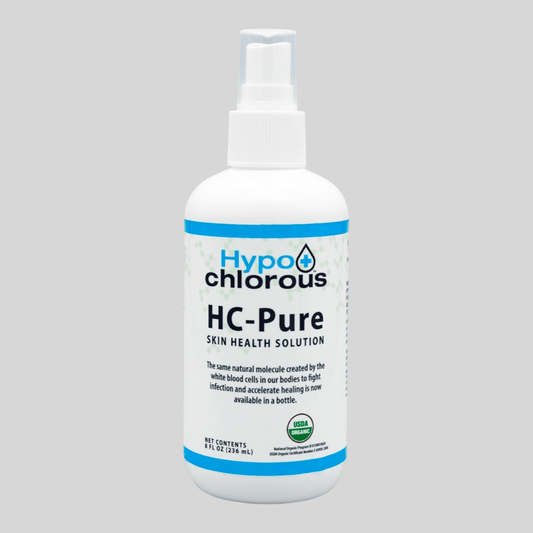
A safer home does not require a cabinet full of specialized products. Keep a designated paw towel by the door, a small bowl or rinse station for muddy days, and a properly labeled hypochlorous acid spray for quick cleanups. Wash reusable towels often so yesterday's dirt does not become tomorrow's problem.
Consider the surfaces your dog encounters, too. During winter, wipe paws after exposure to road salt or de-icers. In summer, check pavement temperature before heading out - if it is too hot for the back of your hand, it is too hot for paw pads. After lawn treatments or a visit to a heavily trafficked park, clean paws before your dog licks them or tracks residue inside.
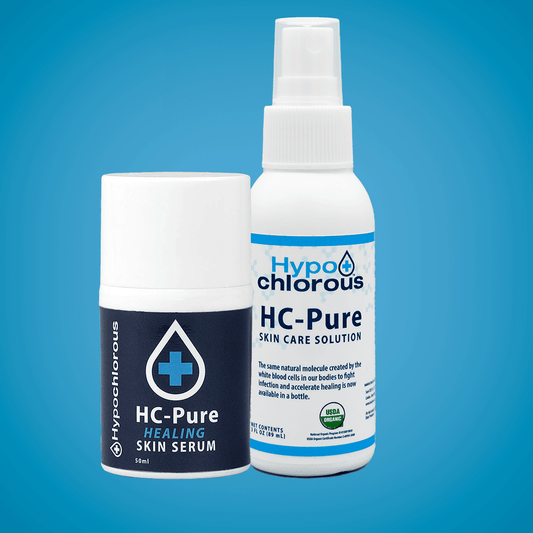
Products from Hypochlorous Company are designed around the idea that effective hygiene should not force families to choose between performance and a lower-toxicity home. For pet parents, that means choosing formulas with a clear intended use, straightforward ingredients, and directions you can follow with confidence.
Your dog does not need a perfect paw-care routine. They need a practical one you will actually use: remove the visible mess, choose gentle products, dry thoroughly when needed, and pay attention when their paws are trying to tell you something. That small ritual protects your floors, supports everyday comfort, and makes coming home from every walk feel a little cleaner.