The kitchen counter looks clean. The remote, faucet handle, phone, pet bowl mat, and bathroom light switch tell a different story. Effective household germ control is not about turning your home into a laboratory or spraying every surface all day. It is about knowing where germs move, cleaning with purpose, and choosing products that protect your family without leaving harsh chemical residue behind.
For parents, pet owners, and anyone trying to make healthier choices at home, the goal is simple: fewer unnecessary exposures, fewer complicated bottles, and a routine that actually fits real life.
Household Germ Control Starts With the Right Priorities
Not every surface needs the same level of attention. A bookshelf that no one touches does not deserve the same effort as the refrigerator handle after grocery shopping. The most effective routines focus on high-touch areas and moments when contamination is more likely.
Think about the path hands take through a normal day. Someone comes in from school, work, errands, or the dog park. They set down a bag, touch the door handle, grab a snack, open the refrigerator, and reach for a phone. Germs do not stay politely in one place. They travel through ordinary habits.
That does not mean you should clean from morning to night. It means a quick, consistent reset of the surfaces your household touches most can make a bigger difference than an occasional, exhausting deep clean.
Clean First, Then Disinfect When It Makes Sense
Cleaning and disinfecting are related, but they are not identical. Cleaning removes visible soil, grease, crumbs, and residue. Disinfecting is designed to kill certain germs on a surface. When a surface is visibly dirty, clean it first. Dirt can interfere with a disinfectant's ability to contact the surface as intended.
Disinfection is especially useful after raw-food prep, illness in the home, bathroom messes, pet accidents, or high-traffic gatherings. For everyday crumbs and fingerprints, a simple cleaner may be enough. Using the strongest possible chemical for every small mess is not automatically smarter, particularly around children, pets, food-prep spaces, and sensitive skin.
The best product is the one that matches the job and is used according to its label directions, including any required surface contact time.
Focus on the Germ Hotspots That Matter Most
A practical household germ control plan is built around touchpoints, not fear. Start with the places that collect frequent hands, moisture, food residue, or pet traffic.
In the kitchen, prioritize counters after meal prep, sink fixtures, refrigerator handles, cabinet pulls, trash-can lids, and the table. Cutting boards deserve special attention after raw meat, poultry, seafood, or eggs. Use separate boards for produce and raw proteins when possible, and replace boards that are deeply grooved or difficult to clean.
In bathrooms, focus on faucet handles, toilet flush levers or buttons, cabinet pulls, light switches, and shower surfaces that stay damp. Moisture changes the equation. Letting towels, bath mats, and shower curtains dry thoroughly between uses helps reduce the conditions that allow microbes to thrive.
Around the rest of the house, the highest-value targets are often the least glamorous: phones, remotes, keyboards, door handles, light switches, stair rails, and frequently used toys. For electronics, follow the device manufacturer's care instructions and avoid soaking ports or openings.
Pet areas deserve their own routine. Clean food and water bowls regularly, wipe hard toys, and address accidents promptly. Wash pet bedding often enough to manage dirt, dander, and odors. A family-safe approach matters here because pets spend close to the floor, groom themselves, and may be more vulnerable to residues left behind by conventional cleaners.
Why Product Choice Matters
Many households inherited a cleaning cabinet built on escalation: one product for grease, one for glass, one for the bathroom, one for laundry, one for odors, and a heavy-duty disinfectant for everything else. That collection can bring strong fragrances, bleach fumes, alcohol, quaternary ammonium compounds, and complicated safety warnings into the rooms where your family eats, plays, and sleeps.
More chemical intensity is not the same as better household hygiene. It can also mean more storage, more chance of mixing incompatible products, and more residue concerns. Never mix cleaning products, especially bleach with ammonia, acids, or other cleaners. The fumes can be dangerous.
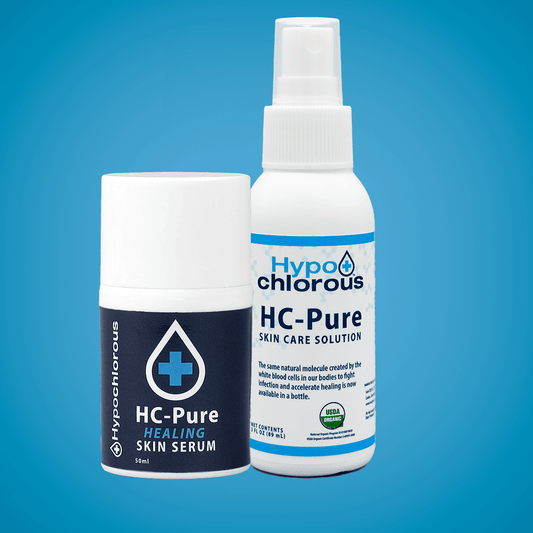
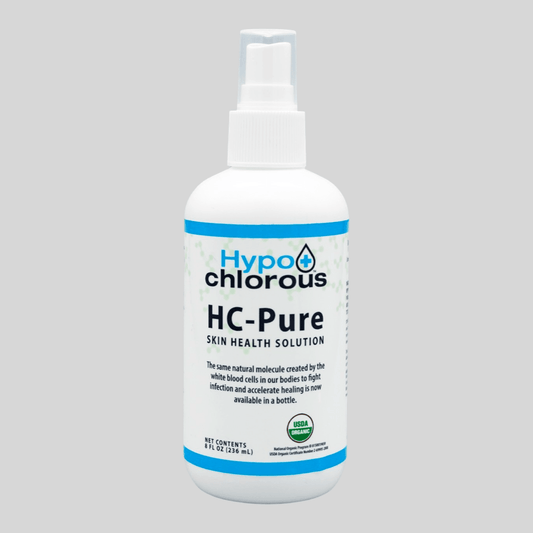
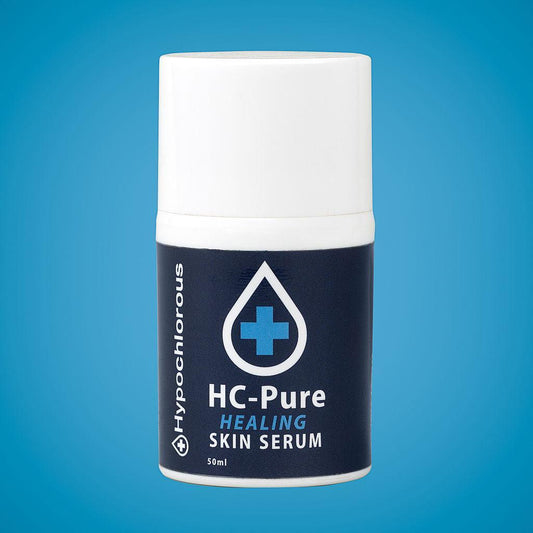
Hypochlorous acid, often called HOCl, offers a different path. It is a molecule produced by the human immune system as part of its natural defense process. Properly formulated HOCl products can deliver powerful cleaning and germ-control performance without the harsh smell and heavy chemical burden many families want to avoid.
That versatility is the point. A well-formulated, label-approved HOCl solution can simplify the supplies you reach for across high-touch surfaces, baby gear, pet areas, and other everyday messes. For disinfecting claims, always check the product label and follow its specific directions. Not every formula is intended for every surface or use.
Build a Routine You Can Keep
The most protective cleaning plan is the one your household can repeat. Instead of saving everything for a marathon Saturday session, attach small tasks to moments already happening in your day.
After breakfast, wipe the table, counter, and refrigerator handle. After cooking dinner, clean food-contact surfaces and the sink area. When someone comes home sick, increase attention to bathroom fixtures, bedside tables, phones, and common touchpoints. Before bed, a 60-second pass over the kitchen and bathroom hotspots can prevent grime from becoming a bigger job tomorrow.
Laundry plays a quiet role, too. Wash dish towels, hand towels, bedding, and reusable cleaning cloths regularly. A damp kitchen towel used for several days can spread more than it removes. Keep a few clean cloths in rotation so you are not relying on one tired sponge for every task.
A Note on Sponges, Cloths, and Tools
Your tools can become the problem if they are not cleaned or replaced. Sponges hold moisture and food particles, which makes them a poor choice for some messes and a short-term tool at best. Washable microfiber cloths can be a better option when laundered properly and allowed to dry between uses.
Use separate cloths for the kitchen and bathroom. Color-coding is a simple habit that prevents you from accidentally bringing bathroom residue to a food-prep area. Replace worn scrubbers and cracked brushes, since damaged surfaces are harder to clean thoroughly.
Germ Control During Illness: Increase, Don't Panic
When someone in the house is sick, the routine changes, but your home does not need to smell like a public pool. Focus on preventing shared touchpoints from becoming a relay system for germs.
Give the sick person a dedicated cup, towel, and, when practical, bathroom. Clean frequently touched shared surfaces more often. Encourage handwashing with soap and water, especially before eating, after using the bathroom, and after coughing, sneezing, or blowing a nose. Handwashing is still one of the highest-impact habits in the home.
Ventilation helps, too. Fresh air does not replace cleaning or medical care, but opening windows when weather allows and maintaining your HVAC system can support a more comfortable indoor environment. If someone has a serious illness or a vulnerable household member is at risk, follow guidance from their healthcare professional.
The Smarter Standard for a Clean Home
A clean home should not require choosing between germ protection and the people you are trying to protect. The strongest routine is targeted, consistent, and realistic: clean visible messes, disinfect when the situation calls for it, keep high-touch surfaces in rotation, and use products you feel comfortable bringing into family spaces.
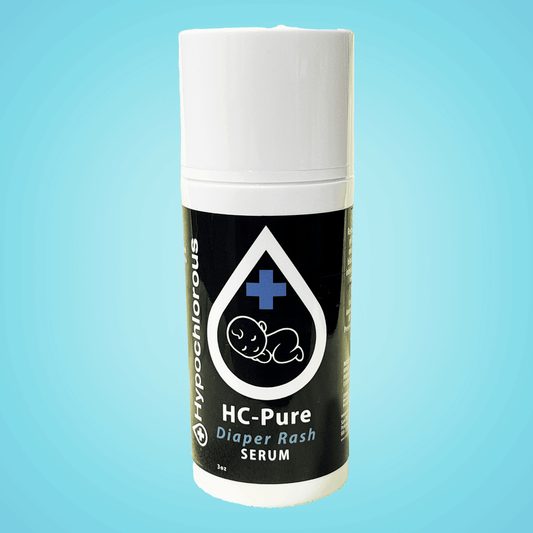
Hypochlorous Company was built around that smarter standard: powerful HOCl-based care that helps replace a cabinet full of harsh products with a simpler, more family-conscious approach. Your home does not need more panic cleaning. It needs a few dependable habits and products that make it easier to keep the spaces you share feeling clean, cared for, and ready for real life.