That sticky kitchen counter after you have just cleaned it is not proof that it is extra clean. It is often cleaning product residue - the film left behind when ingredients in a cleaner do not fully rinse or evaporate. On floors, it can make bare feet feel tacky. On glass, it shows up as streaks. Around babies, pets, and sensitive skin, it raises a more practical question: what is actually left on the surface your family touches all day?
A cleaner should support a healthier home, not create another layer of exposure to manage. Understanding residue helps you clean more effectively, use less product, and make smarter choices about what comes into your home.
What causes cleaning product residue?
Most conventional cleaners are built from more than their active cleaning or disinfecting ingredient. They may also contain surfactants to lift grease, solvents, fragrances, dyes, preservatives, thickeners, and ingredients designed to make a surface look shiny. Many of those ingredients are useful for a specific task. But if too much product is used, the surface is not rinsed, or the formula is not meant to evaporate cleanly, some of it can remain behind.
Hard water can make the issue worse. Minerals in water can react with soap-like ingredients and leave a cloudy or chalky layer, especially on shower doors, faucets, dishes, and dark floors. Overspraying is another common culprit. A surface only needs enough product to be evenly treated. When it is dripping wet, residue becomes more likely.
Residue is not always visible. Fragrance can linger in fabrics long after washing. A countertop can feel smooth but still carry ingredients that transfer to hands, food packaging, toys, or pet paws. That does not mean every trace is automatically dangerous. Risk depends on the formula, the amount left behind, where it is used, and who comes into contact with it. Still, reducing unnecessary residue is a sensible standard for family spaces.
Why cleaning product residue matters at home
The first problem is performance. Residue attracts dust and can make clean surfaces get dirty faster. It can also create a slippery film on tile, vinyl, sealed wood, and laminate flooring. If your floor looks hazy or feels tacky shortly after mopping, adding more cleaner usually makes the problem worse.
The second problem is comfort. Fragrance-heavy products and leftover detergent can be irritating for people with sensitive skin, allergies, or respiratory sensitivities. Pets and young children have more frequent, closer contact with floors and soft surfaces than most adults. Babies mouth toys. Dogs lick paws. Those everyday behaviors are exactly why product choice and proper use matter.
The third problem is cleaning fatigue. When one spray leaves streaks, another is needed for glass, and a third is required to remove the first product's film, a simple routine turns into a cabinet full of chemicals. A lower-residue approach can mean fewer products, fewer steps, and fewer unknown ingredients spread throughout the house.
Signs you may be using too much product
A residue problem is often easy to spot once you know what to look for. Countertops may feel waxy, mirrors may streak again when touched, and dishes can develop a dull haze. Towels may feel stiff or smell strongly perfumed even after several rinses. In bathrooms, a cleaner can leave a cloudy film that makes a freshly cleaned sink look less clean than it did before.
On floors, the clue is usually underfoot. If socks collect grime quickly, paws leave visible tracks, or the floor feels sticky in certain areas, leftover cleaner may be holding onto dirt. This is especially common with concentrated floor products used without precise measuring.
Do not assume the fix is a stronger degreaser or more disinfectant. Start by removing what is already there.
How to remove cleaning product residue safely
The right method depends on the surface and the product that created the film. Always follow the surface manufacturer's care instructions, especially for natural stone, unsealed wood, specialty finishes, and electronics. When in doubt, test a small hidden area first.
Start with plain water
For many hard, nonporous surfaces, plain water and a clean microfiber cloth are enough. Wet the cloth, wring it until damp rather than dripping, and wipe the surface in overlapping passes. Then use a second clean, damp cloth to pick up what the first pass loosened.
For floors, mop once with clean water only, changing the water when it looks cloudy. A dirty mop bucket simply redistributes residue. If your floor still feels sticky after it dries, repeat with fresh water rather than reaching for another product immediately.
Use mild soap only when grease is involved
If oily cooking residue or body oils are mixed into the film, a small amount of mild, fragrance-free dish soap can help lift it. The key is small. Too much soap creates a new residue problem. Follow with a thorough water wipe or rinse until the surface no longer feels slick.
Avoid improvising with strong acids, ammonia, bleach, or solvent-based products. Mixing cleaners can create hazardous fumes or damage finishes, and using a harsher product to remove a milder one often increases the total chemical load in the room.
Give fabrics an extra rinse
Laundry detergent and fabric softener residue can build up in towels, sheets, workout clothes, and baby items. Run an extra rinse cycle using no additional detergent. For persistent buildup, wash the items again with the correct small amount of detergent for the load size and your machine type, then rinse thoroughly.
Fabric softener is a frequent source of coating because it is designed to deposit softening agents onto fibers. If towels stop absorbing water or athletic wear holds onto odors, removing softener from the routine may make a noticeable difference.
Clean your tools before you clean again
A spray bottle nozzle, mop head, sponge, or microfiber cloth can carry old product into the next job. Wash reusable cloths without fabric softener, rinse mop heads thoroughly, and let tools dry completely. A clean tool is one of the simplest ways to prevent residue from returning.
Preventing cleaning product residue in the first place
Use the minimum effective amount of product. More is not better, particularly with concentrates. Measure dilution carefully, apply enough to cover the surface, and respect any required contact time when disinfecting. Then wipe or rinse when the label calls for it.
Choose formulas based on where they will be used, not just on how powerful the bottle sounds. A heavily fragranced cleaner may make a room smell clean, but scent is not evidence of cleanliness. For high-touch surfaces, baby gear, pet areas, and everyday messes, look for products with clear instructions and formulations that fit frequent household use.
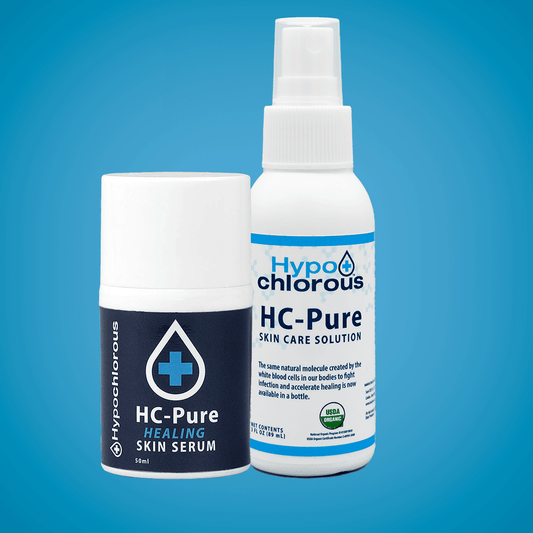
Hypochlorous acid is worth knowing here because it offers a different approach to everyday hygiene. HOCl is a molecule your own immune system produces as part of its defense against germs. In appropriately formulated products, it can deliver effective cleaning and sanitizing support without relying on heavy perfumes or leaving behind the kind of soapy coating associated with many conventional cleaners. Hypochlorous Company makes HOCl-based options designed to simplify the products you use around the people and pets you protect.
That does not mean every job needs the same product or that rinsing never matters. Greasy stovetops, mineral-heavy showers, and delicate surfaces each have their own needs. The smarter goal is to match the product to the mess, use it correctly, and avoid leaving more behind than necessary.
A cleaner home should not feel coated
The best test is simple: after cleaning, a surface should look clean, feel clean, and be appropriate for the people who use it. It should not be sticky under bare feet, hazy in sunlight, or loaded with fragrance that takes over the room. When you reduce cleaning product residue, you are not lowering your standards. You are raising them - for a home that is genuinely clean, comfortable, and ready for everyday life.