A floor can look spotless and still leave behind something your pet walks through, lies on, and licks from their paws. That is why the best pet safe floor cleaners do more than cut through muddy prints and food spills. They clean effectively without loading your home with harsh fumes, heavy fragrance, or residues that do not belong in your pet’s daily environment.
For households with dogs, cats, or both, the smartest cleaner is one you can use often without turning every cleanup into a chemical calculation. It should handle real life, from tracked-in dirt to a tipped water bowl, while supporting a cleaner space for every member of the family.
What Makes a Floor Cleaner Pet Safe?
Pet-safe is not just a marketing phrase. It is a practical standard based on how pets live. Unlike adults, pets spend much more time at floor level. They may nap on the kitchen tile, stretch out on hardwood, eat a dropped treat, or groom their paws minutes after you mop.
A better floor-cleaning choice starts with a formula that is low-residue, free from unnecessary fragrance, and designed to be used around the people and animals in your home. It should also be used exactly as directed. Even a thoughtfully formulated product can become a problem when it is over-concentrated, mixed with another cleaner, or left in a puddle where a curious pet can drink it.
The surface matters, too. Sealed tile, vinyl, laminate, and finished hardwood have different care needs. A cleaner that works beautifully on one can leave streaks, dull a finish, or introduce too much moisture to another. Pet safety and floor safety should go together.
Ingredients That Deserve a Closer Look
You do not need a chemistry degree to shop more carefully. Start by reading the ingredient panel and being skeptical of vague terms like “fresh scent” or “power clean.” Strong odor is not proof of a clean floor. Often, it is simply added fragrance.
Be especially thoughtful about cleaners containing quaternary ammonium compounds, commonly called quats. These ingredients are widely used in disinfecting products, but they can be irritating and may be a poor fit for homes where animals regularly contact treated surfaces. Strongly fragranced formulas can also be challenging for sensitive pets and people, particularly in small spaces with limited airflow.
Essential oils require nuance, too. A product being plant-based does not automatically make it pet-friendly. Concentrated oils such as tea tree, pine, eucalyptus, peppermint, and some citrus oils can be problematic for pets, especially if they are ingested or used in poorly ventilated rooms. Cats are particularly sensitive to many concentrated compounds because of how their bodies process them.
Bleach has a role in certain situations, but it is rarely the easy everyday choice for a pet household. Its fumes can be harsh, it can damage finishes, and it must never be mixed with other cleaners. Ammonia-based products also deserve care for their fumes and because their smell can resemble urine to some pets, which may create the opposite of the behavioral outcome you want.
None of this means one exposure automatically causes harm. Risk depends on the ingredient, concentration, ventilation, how much product is used, whether the floor is dry, and your individual pet’s age, health, and behavior. Puppies, kittens, senior animals, pets with respiratory issues, and determined floor-lickers all call for extra caution.
The Best Pet Safe Floor Cleaners by Need
The best choice is not always the product with the longest list of promises. It is the one that matches the mess, your flooring, and how frequently you need to clean.
For everyday dirt, paw prints, and food spills
A gentle, multi-purpose cleaner is often enough for routine maintenance. You do not need a heavy disinfectant for every muddy paw print. Removing soil regularly with a compatible cleaner and a clean microfiber mop helps keep floors fresh without overusing stronger chemistry.
Look for a formula that does not leave a sticky film. Residue can attract more dirt, make floors feel tacky, and give pets more product to pick up on their paws. For homes with active dogs, a quick daily spot-cleaning routine is usually more effective than waiting for one intense weekend mop.
For pet accidents and odor zones
Urine, vomit, and feces require a different approach. First, remove the mess completely with paper towels or a washable cloth. Then clean the area using a product appropriate for both the floor and the type of contamination. For lingering urine odor, an enzyme-based cleaner can be useful because it is designed to break down the organic material behind the smell.
Do not expect a general floor cleaner to solve every odor issue. If an accident has soaked into grout, seams, unfinished wood, carpet edges, or a subfloor, the source may need deeper treatment. Covering it with fragrance only makes the room smell more complicated while leaving the underlying problem behind.
For homes that want cleaning plus germ control
This is where hypochlorous acid, or HOCl, stands out. HOCl is a powerful, skin-friendly molecule that is also produced naturally by the body’s immune system. Properly formulated HOCl cleaners can offer meaningful cleaning and germ-control benefits without the harsh bleach smell or heavy residue associated with many conventional options.
For pet families, the appeal is simple: advanced cleaning power should not require turning your home into a no-go zone. A ready-to-use HOCl formula can simplify cleanup around pet bowls, crates, litter-adjacent surfaces, entryways, and washable hard floors. Always follow the product label for approved surfaces, contact time, and whether rinsing is required.
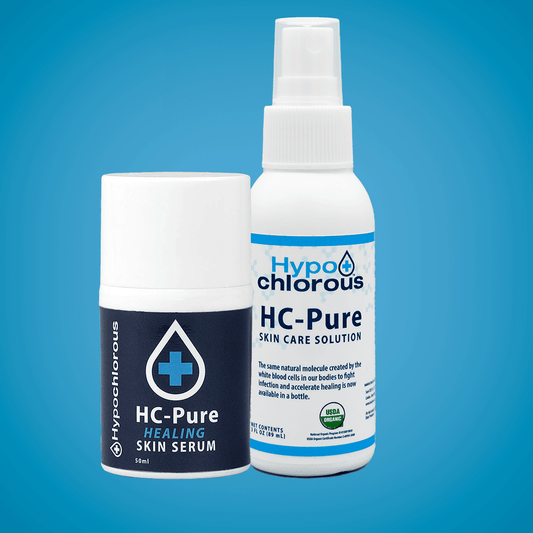
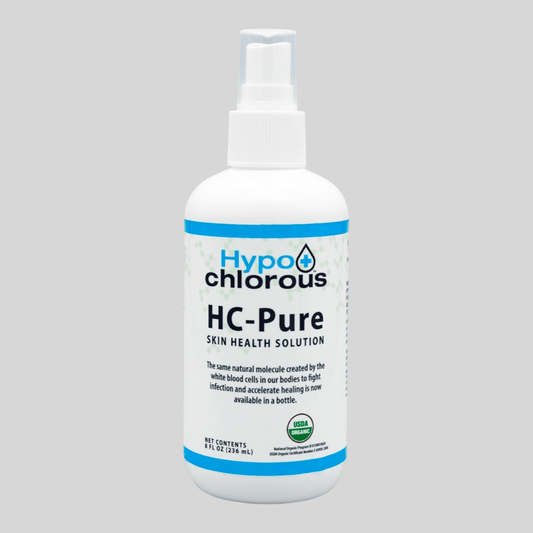
Hypochlorous Company makes HOCl-based products for families who want fewer harsh chemicals in the rotation and more confidence in the products they use around everyday life. The goal is not to collect a cabinet full of specialty sprays. It is to choose effective formulas that make sense for the spaces your pets share.
How to Mop Without Creating a New Problem
The product matters, but the process matters just as much. Start by vacuuming or sweeping thoroughly. Grit, fur, and litter particles can turn a wet mop into a muddy paste, especially in high-traffic areas.
Use the amount of cleaner the label calls for. More is not better. Overusing concentrate is one of the fastest ways to leave residue behind, and over-wetting wood or laminate can damage the floor itself. A lightly damp microfiber mop is often the better tool because it lifts soil efficiently while using less water.
Keep pets out of the area while the floor is wet. This prevents slipping, paw tracking, and curious licking. Once the floor has dried according to the product directions, most routine cleaning situations are far less complicated. Open a window or run ventilation if you are using any product with a noticeable scent or stronger active ingredients.
Never mix cleaners. Not bleach with vinegar, not bleach with ammonia, not one disinfectant with another product in hopes of making it stronger. Mixing chemicals can create harmful fumes or reduce the effectiveness of the formula. One well-chosen product, used correctly, is the safer strategy.
Match the Cleaner to Your Floor Type
Tile and sealed vinyl are generally the most forgiving surfaces, but grout can hold dirt and odors. Use a cleaner that is suitable for the tile finish and avoid leaving excess liquid in grout lines.
Finished hardwood needs less moisture and a cleaner specifically compatible with its finish. Avoid steam and soaking wet mops unless the flooring manufacturer says otherwise. For laminate, quick drying is essential because water that reaches the seams can cause swelling or lifting.
Natural stone is its own category. Marble, travertine, limestone, and some other stone surfaces can be damaged by acidic products, including ordinary vinegar solutions. A pet-safe cleaner still has to be stone-safe. When in doubt, test a small hidden area first and follow your floor manufacturer’s care recommendations.
A Cleaner Routine Your Pet Can Live With
A healthier floor routine does not need to be complicated. Clean visible messes quickly, vacuum often enough to stay ahead of fur and grit, and use a low-residue cleaner for regular mopping. Save specialty treatments for the jobs that actually need them, such as enzyme cleaners for urine odor or label-approved germ-control products for specific high-contact areas.
Your pets do not need a perfectly sterile home. They need a clean, comfortable place where they can sprawl after a walk, chase a toy through the kitchen, and curl up beside you without unnecessary chemical exposure. Choose products with the same care you bring to their food, bedding, and vet visits - then let clean floors be one less thing to worry about.