A litter box that lingers after cleaning. A gym bag that smells clean for approximately five minutes. Baby gear, pet bedding, kitchen trash cans, and bathroom towels that seem to hold onto odor no matter what you spray on them. These are not just cleaning annoyances - they are signs that something is still left behind.
So, can hypochlorous acid remove odors? Yes, especially when the odor is caused by bacteria, mold, mildew, or organic residue. Instead of covering a smell with heavy fragrance, hypochlorous acid, commonly called HOCl, helps address the source. That matters when you want a home that smells genuinely clean, not artificially scented.
How hypochlorous acid helps remove odors
Most persistent household odors come from microbes breaking down organic material. Sweat in workout clothes, food residue in a garbage can, saliva on a dental appliance, urine around a pet area, and moisture in a bathroom all create conditions where odor-causing bacteria can thrive.
Hypochlorous acid works differently than a perfume-based odor spray. It is an oxidizing cleaning and sanitizing ingredient that can damage and neutralize many microbes responsible for unpleasant smells. When you remove those odor-causing microbes and clean away the residue feeding them, the smell has far less reason to return.
That is why HOCl is a smarter upgrade for families who are over the cycle of spraying fragrance on top of a problem. The goal is not lavender-scented trash. The goal is a clean trash can.
There is one important distinction: hypochlorous acid is not a magic eraser for every smell in every situation. Some odors are embedded in carpet padding, upholstery foam, drywall, or old plumbing. Others come from spoiled food, smoke residue, or a hidden moisture problem. In those cases, HOCl can be part of the cleanup, but you still need to remove the source, wash the material, or repair the underlying issue.
Where HOCl works best for odor control
Hypochlorous acid is particularly useful on washable, nonporous surfaces and on fabrics or soft goods when the product label allows that use. It shines in the everyday places where odor and germs tend to overlap.
Kitchen odors
Kitchen odors often start with residue, not the air. Think cutting boards, refrigerator shelves, trash can lids, sink drains, sponges, and reusable food containers. Wiping a surface with an HOCl cleaner after removing visible food debris helps tackle the microbial activity that turns a small spill into a stubborn smell.
For trash cans, first empty the bin and wash away any stuck-on residue. Then apply your hypochlorous acid cleaner according to the label directions, giving it the recommended contact time before wiping or allowing it to air dry. If the odor comes back quickly, inspect the lid hinge, rim, and the outside of the bag area - these overlooked spots are often the real culprit.
Bathrooms and laundry rooms
Musty smells are usually moisture messages. Shower grout, bath mats, washing machine seals, laundry hampers, and damp towels can all harbor odor-causing microbes. HOCl can help freshen these spaces without leaving behind the strong fumes many people associate with bleach-heavy cleaning.
Still, no cleaner can overcome constant moisture. Hang towels to dry, run the bathroom fan, leave the washer door open between loads when appropriate, and address leaks promptly. Hypochlorous acid works best as part of a routine that makes it harder for odor to build in the first place.
Pet areas
Pet odors demand a cleaner that is tough on the mess without turning your home into a cloud of artificial fragrance. HOCl can be useful for hard pet-area surfaces, crates, litter box exteriors, washable toys, food-bowl mats, and accident cleanup after solid waste or urine has been fully removed.
For urine accidents, blot up as much moisture as possible first. Spray alone cannot remove what is still soaked into carpet fibers or padding. After blotting and cleaning the area, use an appropriate HOCl product as directed. For recurring accidents, an enzyme cleaner may also be helpful because enzymes are designed to break down organic residues. The best approach depends on the surface and how deeply the mess traveled.
Sports gear, shoes, and everyday fabrics
Sweaty gear smells because bacteria feed on body oils and moisture. Spraying the inside of shoes, gym bags, helmets, and washable protective gear with a fabric-compatible hypochlorous acid product can help reduce odor between washes. Let items dry completely afterward. Trapped moisture can undo even a great cleaning routine.
For clothing, do not assume every surface spray is a laundry additive. Use a product specifically intended for laundry if you want odor control in the wash. Follow the label for dilution, fabric compatibility, and machine instructions.
How to use hypochlorous acid for odors effectively
The difference between a fresher home and a temporarily masked smell usually comes down to technique. Start by removing visible dirt, spills, pet waste, food particles, or other organic material. HOCl can work more effectively when it is not trying to fight through layers of grime.
Next, apply enough product to thoroughly wet the target surface. A light mist may be fine for a quick refresh, but a surface with visible buildup needs proper coverage. Allow the product to sit for the contact time listed on its label. Contact time is not a marketing detail - it is the time the formula needs to do its job.
Then let the surface air dry or wipe it clean as directed. For fabrics, soft goods, and porous materials, spot-test in a hidden area first. Even gentle cleaning ingredients should be used thoughtfully on delicate, dyed, or specialty materials.
Do not mix hypochlorous acid with bleach, ammonia, vinegar, or other household cleaners. Mixing cleaners can create irritating fumes or reduce product performance. One powerful, properly used cleaner is safer and more effective than a chemistry experiment under the sink.
Why fragrance is not the same as clean
A heavily scented spray can make a room smell better for a moment. It does not necessarily mean the odor source is gone. For parents, pet owners, and anyone sensitive to fragrance, that tradeoff can be frustrating: you are left with the original problem plus a strong perfume in the air.
Hypochlorous acid offers a different standard. It is made to support real cleaning by targeting odor-causing microbes rather than relying on fragrance to distract from them. That makes it especially practical for baby items, pet spaces, bathrooms, kitchens, and other parts of the home where a chemical perfume cloud is not the kind of “clean” you want.
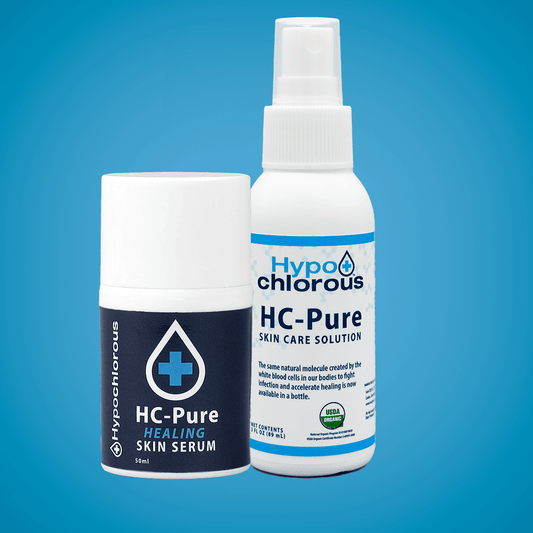
At Hypochlorous Company, that is the idea behind simplifying your routine with HOCl: fewer harsh products, fewer lingering fumes, and more confidence in what you are using around the people and animals you care for.
When an odor needs more than HOCl
If a smell persists after thorough cleaning, take it as useful information. A recurring sewer smell may point to a dry drain trap or plumbing issue. A persistent musty odor can signal hidden water damage or mold. Smoke odor may require specialized restoration. Repeated pet urine odor can mean contaminated carpet padding, not just a dirty surface.
Hypochlorous acid can help clean and deodorize many everyday situations, but it cannot replace removal, repair, deep extraction, or professional remediation when those are needed. The safest home is one where the source is addressed, not simply covered.
A truly fresh home does not need to smell like perfume. It should smell like nothing is hiding - because nothing is.