That first warm puff of odor when you open a diaper pail is not a sign that you need a stronger perfume. It is a sign that bacteria, residue, and moisture are building up where your baby’s dirty diapers sit. The best cleaners for diaper pails remove that buildup and address germs without filling the nursery with harsh chemical fumes.
For a space that holds waste every day, “clean” needs to mean more than temporarily covering the smell. The right product should be effective on the pail’s interior, safe to use around baby gear when used as directed, and easy enough to reach for before odors take over.
What Makes a Diaper Pail Cleaner Actually Work?
Diaper pails are a tough cleaning category because they collect three things at once: organic residue, moisture, and odor-causing microbes. A scented spray may make the room smell different for an hour, but fragrance does not remove the film left behind by leaking diapers or kill germs on a hard surface.
The most useful approach has two parts. First, lift away visible grime and residue. Then use an appropriate disinfecting or sanitizing product according to its label directions, including the required contact time. Contact time matters. Wiping a product off immediately may not give it time to do what the label promises.
You also want to think about the nursery environment. Strong bleach fumes, heavy perfumes, and aerosol products can be unpleasant in a small room, especially for families trying to reduce unnecessary chemical exposure. A diaper pail does not need a cabinet full of specialty products. It needs a cleaner that fits the job and a routine you can keep.
The Best Cleaners for Diaper Pails, by Need
There is no single best choice for every household. The right option depends on whether you are dealing with a routine refresh, dried-on residue, persistent odor, or a mess outside the pail.
1. Hypochlorous acid cleaner for everyday disinfecting
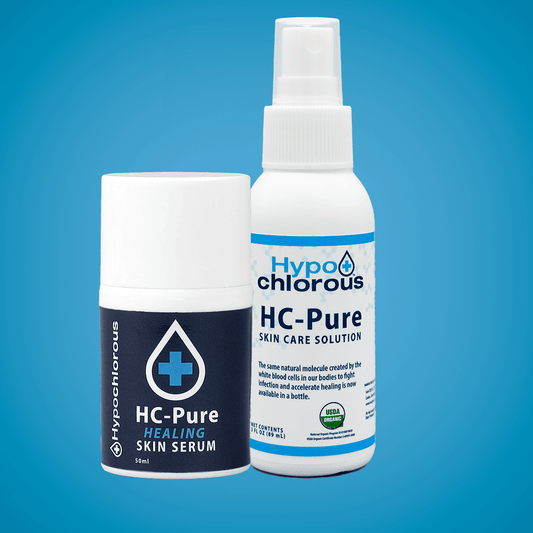
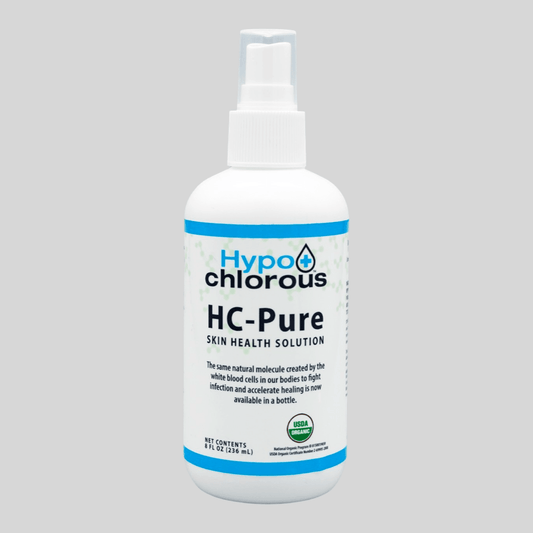
A properly formulated hypochlorous acid cleaner is one of the smartest options for a diaper pail because it brings high-level cleaning confidence without the harsh feel of traditional disinfectants. Hypochlorous acid, or HOCl, is a molecule your own immune system produces as part of its defense against germs. In household formulas, it can be used on hard, nonporous surfaces when the product label allows it.
For parents, the advantage is practical: you can clean the pail without turning a quick chore into a fumes-and-gloves event. Spray the inside of an empty pail, including the lid, rim, foot pedal, and any removable insert. Keep the surface wet for the label-specified contact time, then allow it to air-dry or wipe as directed. TryHypo is a useful multi-purpose choice for families who want one gentler, high-efficacy cleaner for the nursery and the rest of the home.
One caveat: no disinfectant performs well through a thick layer of grime. If residue is visible, wipe or wash that away first.
2. Fragrance-free dish soap and warm water for residue
For a pail with sticky film, diaper cream smears, or a small leak at the bottom, simple fragrance-free dish soap and warm water are hard to beat. Soap is not a replacement for an EPA-registered disinfectant when disinfection is your goal, but it is excellent at loosening oily and organic messes so the next cleaning step can work.
Use a soft cloth or sponge, not an abrasive scrubber that could scratch the plastic. Scratches create tiny hiding places for grime and can make future odors harder to manage. Rinse with a clean damp cloth and dry the pail thoroughly before adding a new liner.
3. Baking soda for odor support between deep cleans
Baking soda can help absorb lingering odor, particularly in the bottom of the pail or around a removable deodorizing compartment. It is inexpensive, low-scent, and useful as a supporting player. Sprinkle a small amount where your pail manufacturer permits it, or place it in a separate breathable odor absorber rather than directly where it can clump with moisture.
Still, baking soda is not a disinfectant and does not remove grime on its own. If the pail smells bad again as soon as you add a diaper, the answer is usually a full clean, not more powder.
4. Enzyme cleaner for stubborn organic messes
Enzyme cleaners are designed to break down organic material, making them a reasonable option after a significant diaper leak or when residue has dried in seams and hinges. Choose a fragrance-free formula whenever possible, and check that it is appropriate for the type of plastic used in your pail.
This category can be helpful, but it has a trade-off. Some enzyme products need time to work and may leave their own scent behind. Follow with a clean-water wipe if the label directs it, then disinfect the hard surface if needed.
5. Hydrogen peroxide cleaner for occasional stain treatment
Hydrogen peroxide-based cleaners can help with certain stains on white or light-colored hard plastics. They are best reserved for targeted use rather than a daily odor routine. Test an inconspicuous spot first, because peroxide may affect color or finishes over time.
Never mix peroxide with other cleaners unless a product label specifically says it is safe. Combining household chemicals is not a shortcut to a cleaner pail. It can create irritating fumes or reduce effectiveness.
Cleaners to Skip in the Nursery
The strongest-smelling option is not automatically the strongest cleaner. Avoid relying on air fresheners, heavily fragranced sprays, or essential oils inside the diaper pail. They can mask odors while leaving the actual source untouched, and concentrated fragrances may be irritating in enclosed spaces.
Bleach can disinfect hard surfaces when diluted and used correctly, but it is often more hassle than most families need for routine diaper-pail cleaning. It can irritate the eyes and lungs, damage some surfaces, and must never be mixed with ammonia, acids, vinegar, or other cleaners. If you use bleach, follow the product label exactly, ventilate the room, and keep children away until surfaces are dry.
Vinegar is another popular household standby, but it is not a registered disinfectant. It may help with mineral buildup or light odors, yet it should not be your primary germ-control step for a pail that handles diaper waste. And never mix vinegar with bleach or other disinfectants.
How to Clean a Diaper Pail Without Spreading the Mess
A weekly clean is a realistic baseline for many households, while a full wipe-down every time there is a leak keeps odor from settling in. If you have a newborn, cloth diapers, or frequent blowouts, you may need to clean more often.
Start by taking the pail outside or to a well-ventilated bathroom or laundry area. Remove the bag, then wash your hands before touching cleaner bottles or other household surfaces. Open removable components, such as the lid, inner ring, or odor-trapping insert, so you can reach the spots that collect residue.
Use warm, soapy water to remove visible soil. Wipe the interior walls, bottom, lid underside, rim, and pedal mechanism. Pay attention to the creases around seals. Those overlooked areas are often where the smell lives.
Next, apply your chosen disinfecting cleaner to hard, nonporous surfaces and leave it wet for the full label contact time. Do not guess. A product’s directions tell you how long it needs to remain on the surface for its intended use. Let the pail dry completely before installing a clean liner.
Do not forget the outside. Wipe the lid, handle, pedal, and any surface adults touch while changing diapers. Those are high-touch areas, even if they are not the source of the odor.
Small Habits That Keep Odor Under Control
The liner matters almost as much as the cleaner. Use bags that fit securely, change them before they are packed tight, and check for tears before lifting them out. A too-full bag can scrape against the rim and leave residue behind.
When possible, wrap especially messy diapers before placing them in the pail. Dispose of solid waste according to local guidance rather than letting it sit in the nursery. If your pail has an odor-control cartridge or filter, replace it on the manufacturer’s schedule instead of waiting until it stops working completely.
Most importantly, do not wait for the pail to become unbearable. A fast weekly clean with an effective, low-fume cleaner is easier than a monthly battle with trapped odor. Your nursery should smell like your family lives there, not like the products you are trying to avoid.