A bathroom can look clean and still leave the air difficult to breathe. The sharp smell of bleach, perfumed spray, aerosol mist, or a freshly opened toilet cleaner can be enough to trigger coughing, chest tightness, or irritation for someone with asthma. The best bathroom cleaners for asthma are not simply the strongest-smelling products on the shelf. They are effective products that remove grime and germs without loading a small, humid room with unnecessary respiratory irritants.
For many households, that means choosing fragrance-free, low-fume cleaners and using them with a smarter cleaning routine. The goal is not to clean less. It is to clean with fewer harsh exposures and less chemical residue left behind.
Why bathroom cleaning can aggravate asthma
Bathrooms concentrate the things that make cleaning products harder to tolerate: limited airflow, steam, damp surfaces, and close-up scrubbing. A product sprayed inside a shower stall or toilet bowl does not stay neatly on the surface. Some of it becomes airborne, especially when it is sprayed, scrubbed, or mixed with hot water.
Fragrances, volatile solvents, chlorine-based products, ammonia, and aerosol propellants can all be problematic for sensitive airways. Asthma triggers are personal, so a product that is tolerable for one person may cause symptoms for another. The smell itself is not a perfect measure of risk, but a strong fragrance or eye-watering fume is a useful signal that the product may not belong in a breathing-sensitive routine.
Mold is another reason bathrooms need consistent attention. Dampness can support mold growth, and mold spores may aggravate asthma symptoms in some people. That creates an unhelpful cycle: skip cleaning because products feel harsh, then face a moisture and mold problem that is also hard on the lungs. A lower-irritant cleaning system helps break that cycle.
What to look for in the best bathroom cleaners for asthma
Start with the label, then think about how the cleaner will be used. A gentle product applied directly to a cloth is usually a better choice than a powerful aerosol sprayed into the air.
Fragrance-free is better than lightly scented
“Fresh rain,” “clean linen,” and citrus scents are often added fragrance blends, not evidence that a cleaner is safer. Even naturally derived fragrance can bother people with scent sensitivity or asthma. Look for products labeled fragrance-free rather than unscented. “Unscented” can still mean fragrance ingredients were used to cover up a product’s natural odor.
Fragrance-free does not mean odorless. Some effective cleaners have a mild, temporary scent from their active ingredient. The key difference is avoiding added perfume designed to linger in the bathroom after cleaning.
Avoid sprays that create a mist when you can
The delivery method matters. Aerosol cans and fine-mist sprays increase what can be inhaled. For mirrors, counters, fixtures, and the outside of the toilet, spray cleaner onto a microfiber cloth first, then wipe the surface. This gives you control over coverage without sending product through the room.
For a shower wall or tub, use a stream setting rather than a wide mist if one is available. Open the bathroom door, run the exhaust fan, and step away while the cleaner does its contact-time work.
Choose simple, transparent formulas
A long ingredient list is not automatically bad, but it should make you pause. Products marketed as “powerful” often rely on a combination of fragrance, solvents, acids, or bleach-based chemistry. That may be appropriate for a specific heavy-duty job, but it is not always the right default for weekly cleaning in a home with asthma.
Look for a cleaner that clearly explains its active ingredient and intended use. If you need disinfection, use a product that is registered for that purpose and follow its label directions, including the required wet contact time. Cleaning and disinfecting are not always the same job. Soap scum may need physical wiping, while a disinfectant needs enough time on the surface to work.
Low-residue cleaning supports a better routine
Bathroom counters, faucet handles, toilet seats, and shower fixtures are touched constantly. A cleaner that leaves behind a heavy perfume or sticky film can lead to more rinsing, more products, and more exposure. A low-residue formula helps keep the routine simple: apply, allow the appropriate dwell time, wipe, and let the room air out.
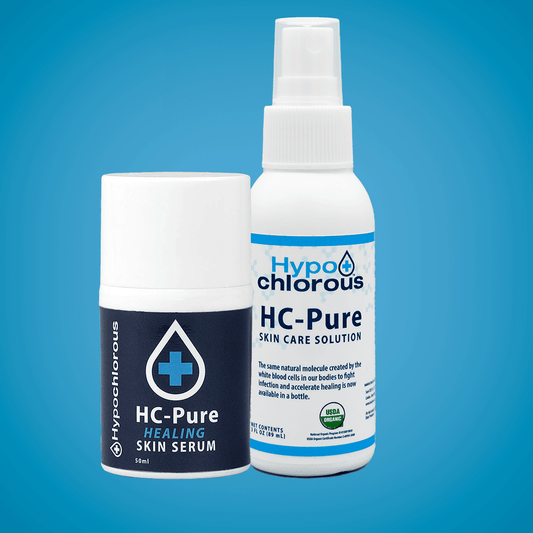
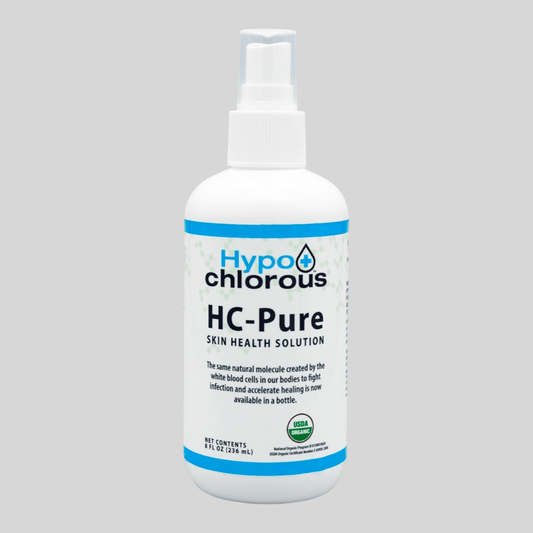
Hypochlorous acid is worth considering here. It is a naturally occurring molecule made from salt, water, and electricity and is also produced by the human immune system. In household formulations designed for surface cleaning, it can offer an effective, lower-fume alternative to many conventional bathroom products. Hypochlorous Company makes multi-use hypochlorous acid solutions for households that want fewer products and a more family-conscious cleaning approach.
Ingredients and product types to use carefully
No single ingredient rule applies to every person with asthma, but several bathroom-cleaner categories deserve extra caution. The issue is often concentration, ventilation, and how the cleaner is applied.
Bleach-based cleaners can produce strong fumes, particularly in enclosed bathrooms. Chlorine bleach should never be mixed with ammonia, acids, vinegar, or other cleaners. Those combinations can create dangerous gases. If bleach is necessary for a specific remediation task, keep people with asthma out of the space, ventilate thoroughly, and follow the label exactly. For routine wipe-downs, a less irritating option is often available.
Ammonia-based glass cleaners can also be harsh in a small room. Strong acidic cleaners for mineral deposits and alkaline oven-style degreasers may irritate skin, eyes, and airways as well. Toilet-bowl cleaners can be especially concentrated, so avoid leaning over the bowl while applying them and close the lid before flushing.
Be cautious with essential-oil-heavy cleaners, too. Plant-based does not automatically mean asthma-friendly. Eucalyptus, peppermint, citrus, pine, and tea tree scents can be irritating for some people, particularly when used in concentrated form.
A lower-exposure bathroom cleaning routine
The best product is only part of the solution. A few small changes can make bathroom cleaning more comfortable and more effective.
First, ventilate before you begin. Run the exhaust fan and open a window or door if possible. If your fan is weak, consider having it inspected or replaced. Moisture control is one of the most practical defenses against mildew and mold.
Next, clean in layers. Start with dry tasks such as emptying the trash and dusting vents. Then wipe counters, faucets, and handles with a damp microfiber cloth and an appropriate cleaner. Use a separate cloth or disposable wipe for the toilet exterior, seat, and flush handle. This reduces the urge to keep spraying product as you move around the room.
For shower buildup, apply the cleaner directly to the surface or cloth, give it the label-directed time to work, then scrub and rinse if needed. Soap scum and hard-water spots often respond better to repetition than to a single aggressive chemical. A quick wipe after showers and a weekly deeper clean can prevent buildup from becoming a heavy-duty project.
Finally, leave the fan running for at least 20 minutes after bathing or cleaning. Hang towels to dry fully, repair leaks quickly, and avoid storing damp bath mats in a pile. These habits reduce the moisture that feeds mildew in the first place.
When you may need more than a gentler cleaner
A lower-fume routine is ideal for regular maintenance, but there are situations that call for a different response. Visible mold covering a large area, recurring water damage, sewage contamination, or a persistent musty smell may point to a moisture problem beyond surface cleaning. In those cases, identify and fix the source of water first. A professional assessment may be appropriate, especially if asthma symptoms worsen at home.
People with asthma should also follow their personal care plan. If cleaning triggers wheezing, shortness of breath, or chest tightness, stop, get fresh air, and use prescribed medication as directed by a clinician. No cleaner is worth pushing through respiratory symptoms.
A bathroom should feel like a clean place to reset, not the room you avoid after cleaning day. Choose products with fewer airborne irritants, keep moisture under control, and make ventilation part of the routine. That is a practical upgrade for easier breathing and a healthier-feeling home.