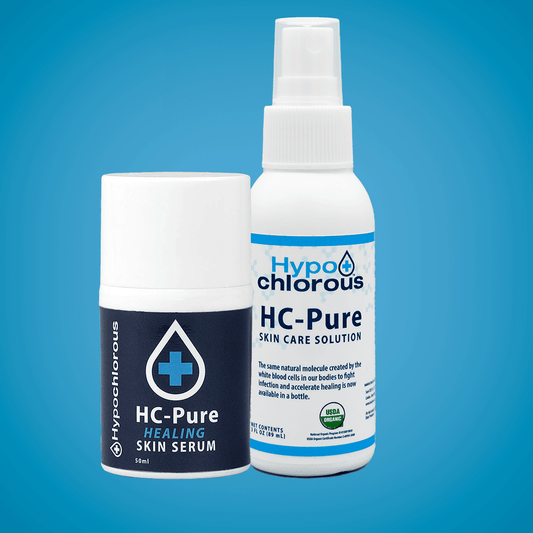
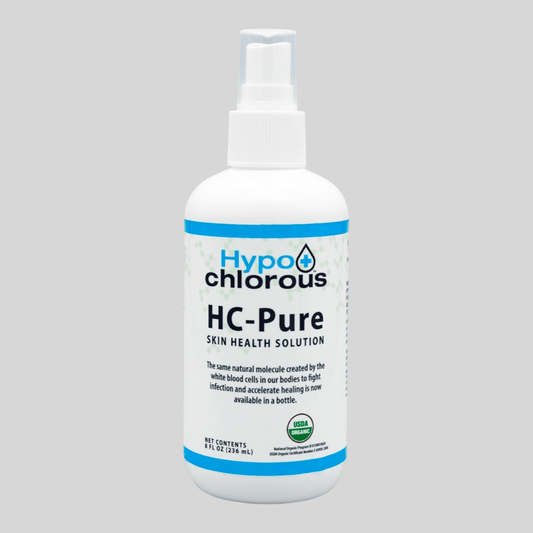
The sting of alcohol sanitizer, the lingering perfume, the dry hands after one too many applications - these are not small inconveniences when you are caring for kids, touching pet gear, handling groceries, or moving through a busy day. A skin sanitizer should help you feel clean and protected without turning everyday hygiene into another source of irritation.
For many families, that means looking beyond the conventional alcohol-based bottle. Hypochlorous acid, also called HOCl, offers a different approach: serious cleaning power in a formula that is gentle enough for sensitive-use routines when used as directed. It is the same molecule white blood cells naturally produce as part of the body's immune response. That biological familiarity is a big reason it has become a smarter option for people who want effective hygiene without harsh chemical residue.
What Makes a Skin Sanitizer Different?
A skin sanitizer is designed for use on the body, rather than on countertops, toys, or other household surfaces. That distinction matters. A product made for the kitchen is not automatically appropriate for hands, face, or skin, even if it contains a familiar active ingredient.
The right formula should clearly state that it is intended for skin use and provide directions for that purpose. It should also fit the moment. Washing with soap and water is still the best choice when hands are visibly dirty, greasy, or contaminated with food or soil. But when a sink is not nearby, or when you want a quick hygiene reset after shared surfaces, public spaces, workouts, travel, or pet care, a skin-safe spray can be practical.
The goal is not to coat your body in stronger chemicals. The goal is to choose a formula that works where you need it while respecting your skin barrier.
Why Hypochlorous Acid Belongs in a Skin Sanitizer
Hypochlorous acid is often misunderstood because of its name. It is not household bleach, and it should not be confused with chlorine-based cleaners meant for hard surfaces. HOCl is a distinct molecule that can be made with water, salt, and electricity under controlled conditions. When formulated correctly, it is a high-performing antimicrobial ingredient with a remarkably simple profile.
That simplicity matters for households trying to reduce unnecessary exposure to harsh ingredients. Many conventional hygiene products rely on high concentrations of alcohol, added fragrance, or ingredients that can leave skin feeling tight and dry. Those formulas may have their place, especially in settings where a specific product is required. But frequent use can be uncomfortable for people with dry, reactive, or easily irritated skin.
A well-formulated hypochlorous skin sanitizer offers a compelling trade-off: dependable hygiene support without the strong alcohol smell, sticky finish, or fragrance cloud that can make repeated use unpleasant. It is especially appealing for parents cleaning little hands between activities, pet owners after walks and playtime, and anyone who wants a cleaner option in their bag, car, gym locker, or entryway.
Gentle does not mean weak
There is a persistent belief that a product must burn, bleach, or smell aggressively chemical to be effective. That is old thinking. Performance comes from the active ingredient, the formulation, the concentration, and proper use - not from how harsh a product feels on your skin.
HOCl works by disrupting microorganisms at the cellular level. It is a chemistry-first approach that makes sense for modern households: use a targeted ingredient that does its job, then move on with your day. No overwhelming fragrance. No long list of mystery additives. No need to choose between feeling protected and feeling comfortable.
When a Skin Sanitizer Is Most Useful
The best hygiene routine is realistic enough to use consistently. A skin sanitizer can fill the gaps between handwashing moments, particularly when clean water is unavailable or inconvenient.
Think about the ordinary situations that add up: pumping gas, using a shared shopping cart, leaving a playground, handling packages, riding public transit, touching gym equipment, or cleaning up after your dog. Parents know the list can get even longer. Kids touch everything, then touch their faces, snacks, car seats, and siblings.
A gentle, portable HOCl spray can make these transitions easier. Spray according to label directions, allow the product to work, and let skin air dry when instructed. There is no need to turn every normal interaction into a fear-based ritual. The point is to have a practical tool ready when it makes sense.
For face and body use, always follow the specific product label. Avoid assuming that every hypochlorous solution has the same intended use. Product quality, packaging, stability, and directions all matter.
What to Look for Before You Buy
Not every product marketed as “clean” earns a place in a family routine. Read the label with the same care you would give a product for your baby, pet, or sensitive skin.
First, confirm it is explicitly intended for skin application. Next, look for a straightforward ingredient profile and skip unnecessary fragrance if sensitivity is a concern. Fragrance may make a product smell fresh, but it does not make it clean - and for many people, it is one more potential irritant.
Packaging also deserves attention. Hypochlorous acid is effective chemistry, but it is not something to leave in a random clear bottle on a sunny windowsill. Light, heat, time, and poor storage can affect product quality. Choose a brand that treats formulation and packaging as part of performance, not as an afterthought.
Finally, be skeptical of vague claims. “Natural” is not a guarantee of safety or effectiveness. Look for clear directions, intended-use information, and responsible language about what the product can do. A trustworthy brand helps you understand where its formula fits rather than suggesting one spray replaces every health and hygiene practice.
A Cleaner Routine Without the Chemical Overload
Most homes do not need a separate harsh product for every square foot, every errand, and every member of the family. That cabinet-full approach costs more, creates more clutter, and can introduce more fragrances and chemical residues into the spaces where your family lives.
Hypochlorous Company was built around a simpler idea: high-efficacy HOCl can support cleaner routines across home, personal care, pet areas, and everyday hygiene. A skin-focused formula is one useful part of that bigger shift. It gives you an option that feels aligned with how you actually live - hands on, busy, protective, and unwilling to accept harsh chemicals as the default.
There are still moments for soap and water. There are situations that require medical guidance, especially for wounds, infections, or ongoing skin conditions. And if you have known sensitivities, a patch test and a conversation with your healthcare professional can be sensible. Smart hygiene is not about treating every product as a cure-all. It is about choosing the right level of care for the situation.
Make Everyday Protection Easier to Keep
The product you use consistently is often more valuable than the one you avoid because it dries out your skin or smells too strong. Keep a skin sanitizer where real life happens: near the front door, in the diaper bag, beside the dog leash, in the car, or tucked into a work tote.
When hygiene feels simple, gentle, and realistic, it becomes part of caring for the people and animals you love. That is the better standard: effective protection that fits your life without adding more harshness to it.