Your retainer sits against your teeth for hours at a time, often while you sleep. That makes it an easy place for saliva, plaque, bacteria, and odor-causing buildup to collect. Learning how to clean retainers naturally is less about finding a trendy DIY soak and more about using a gentle, consistent routine that keeps your appliance clean without scratching, warping, or leaving behind harsh chemical residue.
A clean retainer should look clear, smell neutral, and feel smooth. If yours is cloudy, sticky, or starting to smell off, it needs more than a quick rinse. The good news: you do not need bleach, alcohol, boiling water, or heavily fragranced cleaners to care for it well.
What “natural” retainer cleaning should mean
For a retainer, natural should not mean using every ingredient in your pantry. It should mean choosing a cleaning method that is gentle on the appliance, appropriate for something that goes in your mouth, and free from unnecessarily harsh chemicals.
Retainers are usually made from acrylic, plastic, metal wire, or a clear thermoplastic material. Those materials can be damaged by heat, abrasive powders, and strong chemicals. Small scratches matter because they create places where biofilm can hold on more easily. A cleaner that seems powerful but roughens the surface may create a bigger cleaning problem over time.
The safest approach combines physical cleaning with a purpose-made, oral-care-safe disinfecting solution. Always follow the instructions from your orthodontist first, especially if you wear a fixed retainer, a Hawley retainer with wire, or a specialty appliance.
The simple daily routine that prevents buildup
The best time to clean a removable retainer is right after you take it out. Dried saliva and plaque are harder to remove later, so a 60-second routine now can save you from trying to scrub away cloudy buildup next week.
First, rinse the retainer under cool or lukewarm running water. Never use hot water. Heat can distort clear plastic retainers, changing the fit you depend on to protect your orthodontic results.
Then use a separate, soft-bristled toothbrush reserved only for your retainer. Gently brush every surface, including the inside curves that sit against your teeth and gums. Avoid toothpaste. Many toothpastes contain abrasive particles designed for enamel, not plastic, and can leave fine scratches in clear retainers.
After brushing, rinse thoroughly and place the retainer in its clean, ventilated case. Do not wrap it in a napkin or leave it on a counter. That is how retainers get lost, damaged, or discovered by a curious pet.
How to clean retainers naturally with a gentle soak
A daily rinse and brush removes loose debris, but a regular soak helps address the invisible layer of bacteria and biofilm that brushing alone may miss. For most people, soaking a removable retainer several times a week is a practical baseline. If you wear it overnight, have dry mouth, or notice frequent buildup, daily soaking may make more sense.
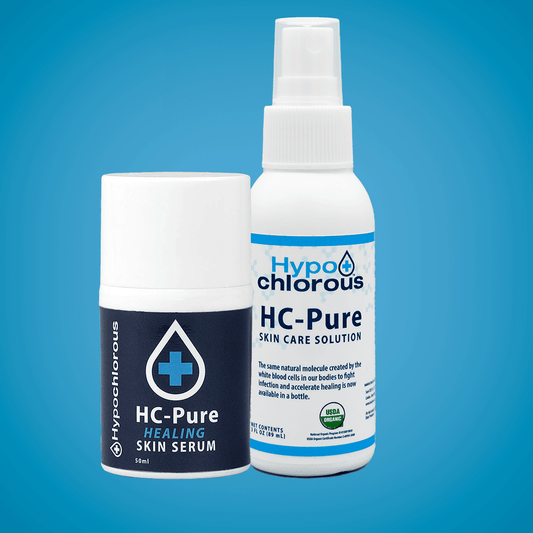
Choose a cleaner made specifically for dental appliances or an oral-care-compatible hypochlorous acid solution. Hypochlorous acid, often called HOCl, is a compound your immune system naturally produces as part of its defense against microbes. When formulated for the intended use, it offers a modern way to clean without reaching for bleach, harsh fragrances, or abrasive powders.
Follow the product’s label for contact time and rinsing directions. With a dental appliance cleaner such as TryHypo, the goal is simple: let the solution do the work, then rinse your retainer with clean water before placing it back in your mouth. Do not assume more soaking time is always better. A label-tested process is better than improvising.
If your orthodontist has recommended effervescent retainer tablets, those can also be a reasonable option. They are convenient, but ingredients vary. Read the label if you are avoiding dyes, fragrance, or ingredients that may irritate a sensitive mouth.
Natural methods to use carefully
Some common home remedies are popular because they are inexpensive and familiar. That does not automatically make them ideal for every retainer.
A diluted white vinegar soak is sometimes used to loosen mineral deposits. Vinegar is acidic, so it should be occasional rather than your everyday method, and it should always be followed by a very thorough water rinse. Its sharp smell and taste can linger, and it is not the best choice for a retainer with significant buildup, damage, or a persistent odor.
Baking soda is another frequent recommendation. It can help neutralize odors, but it should be used with restraint. A paste made with baking soda can be abrasive, particularly when scrubbed onto clear plastic. If you use it at all, avoid vigorous brushing and do not treat it as a disinfectant.
Castile soap is mild, but soap residue can leave a taste or film if it is not rinsed completely. Essential oils are not a smart substitute for cleaning. They can be irritating in the mouth, may leave residue, and are not a reliable way to sanitize a dental appliance.
The bottom line is simple: “natural” is not a free pass. Choose methods based on material safety and oral-use suitability, not just what happens to be in the kitchen.
What not to use on a retainer
A few products can permanently damage your retainer or make it unpleasant to wear. Keep these out of your routine:
- Hot or boiling water, which can warp plastic and change the fit
- Bleach, rubbing alcohol, and household disinfectants not intended for oral-care items
- Toothpaste, whitening products, and abrasive scrubbers that can scratch the surface
- Dishwasher detergent or a dishwasher cycle, which combines heat with strong cleaners
- Mouthwash, especially alcohol-based varieties that may discolor or dry out materials
Remove white film without damaging clear plastic
White, chalky film is usually mineral buildup from saliva, not necessarily a sign that you have failed at cleaning. It is more common in areas with hard water and in retainers that are allowed to dry out before being rinsed.
Start with a gentle soak using a dental appliance cleaner, then brush lightly with a soft retainer-only toothbrush. Do not scrape at the film with metal tools, fingernails, or a hard brush. If the cloudiness remains, bring the retainer to your dentist or orthodontist. They can tell you whether it is removable buildup, surface scratching, or material wear.
Clear retainers do not last forever. If yours is deeply scratched, cracked, permanently cloudy, or developing a smell that cleaning does not resolve, replacement may be the healthier choice.
Your retainer case needs cleaning, too
Cleaning the retainer and returning it to a dirty case defeats the purpose. At least once a week, wash the case with warm water and a mild cleaner, rinse it fully, and let it air-dry open. A case with airflow is generally better than sealing a damp retainer into a closed, humid container.
Replace the case if it is cracked, difficult to clean, or holding onto odor. It is a small upgrade that helps protect the appliance you spent time and money to maintain.
When to call your orthodontist
Home care is for routine cleaning, not repairs. Contact your orthodontist if your retainer is cracked, warped, sharp, loose, heavily stained, or suddenly uncomfortable. Also reach out if you see persistent buildup that does not lift with gentle cleaning, or if you have mouth irritation that seems connected to wearing it.
Do not try to bend wire retainers back into place yourself. Even a small adjustment can affect how the appliance fits and how it holds your teeth.
A retainer is a small part of your routine with a very big job: protecting the smile you worked for. Keep the process simple - rinse it when it comes out, clean it gently, soak it with an oral-care-appropriate solution, and give its case the same attention. Consistency is what keeps a cleaner retainer feeling fresh, comfortable, and ready to wear.