The products under your sink should not force a trade-off between a clean home and the people who live in it. A truly effective eco friendly cleaner for home should handle the sticky counter, the pet-area mess, and the germy high-touch surface without filling the room with harsh fumes or leaving behind a chemical smell that lingers long after cleaning day.
For families, pet owners, and anyone who reads the label before they spray, “green” is not enough. You need cleaning power that works in real life, plus ingredient choices that make sense around kids, animals, food-prep spaces, and sensitive skin.
What an Eco Friendly Cleaner for Home Should Actually Do
Eco-friendly cleaning is often framed as a choice between tough performance and gentler ingredients. It does not have to be. The better question is whether a product can clean the mess in front of you while reducing unnecessary exposure to harsh chemicals, excessive fragrance, and single-purpose plastic bottles.
A smart household cleaner should do three things well: lift everyday soil, address germs when the situation calls for it, and fit into a routine you can keep up with. If it only smells fresh but leaves residue behind, it is not doing enough. If it works only on one surface and requires five other bottles for the rest of the house, it is not making your home simpler.
Look beyond front-label buzzwords. “Natural” and “plant-based” can describe part of a formula, but they do not automatically tell you how well it performs, whether it is appropriate for disinfecting, or what remains on the surfaces your family touches. Clear ingredients, clear directions, and claims that match the product’s intended use matter more than vague promises.
Start With the Job, Not the Bottle
Cleaning and disinfecting are related, but they are not the same job. Cleaning removes visible dirt, grease, crumbs, and residue. Disinfecting is designed to reduce certain germs on hard, nonporous surfaces when used according to the label. A kitchen counter after dinner may simply need cleaning. A bathroom touchpoint during a household illness may call for a disinfectant with verified directions and contact time.
That distinction helps you buy less and use products more thoughtfully. You do not need the strongest possible chemical for every small spill. But when you want germ protection, choose a product that is specifically registered and labeled for that purpose rather than assuming any cleaner with a fresh scent will do the job.
The practical win is a versatile formula that can cover daily cleaning and give you confidence for higher-concern moments. It means fewer decisions when life is busy, fewer bottles competing for space, and less chance of grabbing the wrong product near a child’s toys or a pet’s bed.
Watch for fragrance and residue
Fragrance can make a room smell “clean,” but scent is not proof of cleanliness. For people with sensitivities, asthma concerns, pets, or young children, heavily fragranced products can turn a simple cleaning task into an unpleasant experience. Fragrance-free or low-odor options can be especially useful in bedrooms, nurseries, bathrooms, and enclosed spaces.
Residue deserves the same attention. Some formulas require a second wipe-down on food-contact surfaces or can leave a film on glass, sealed stone, and finished wood. Follow the label, especially around food-prep areas. The goal is not to spray more product. It is to use the right amount, let it work as directed, and wipe when the surface or instructions require it.
Why Hypochlorous Acid Belongs in a Smarter Cleaning Routine
Hypochlorous acid, often called HOCl, is changing what shoppers can expect from a household cleaner. It is a molecule your own immune system produces as part of its defense against microbes. In commercially prepared formulations, it can provide powerful cleaning and germ-fighting performance without relying on the harsh fumes associated with conventional bleach or the strong smell of many alcohol-based products.
That makes HOCl especially compelling for the places that get cleaned often: kitchen counters, bathroom fixtures, doorknobs, high chairs, toys, pet areas, trash-can lids, and other high-touch surfaces. You should still follow product directions for surface compatibility, contact time, and intended use. But the appeal is simple: advanced chemistry that feels practical enough for everyday family life.
Not every hypochlorous acid product is the same. Stability, concentration, packaging, and testing all affect performance. If disinfection is a priority, look for an EPA-registered product and read the label for the specific organisms, surfaces, and required contact times covered by its registration. A product can be gentle in day-to-day use and still need to remain visibly wet for a stated period to deliver its disinfecting claim.
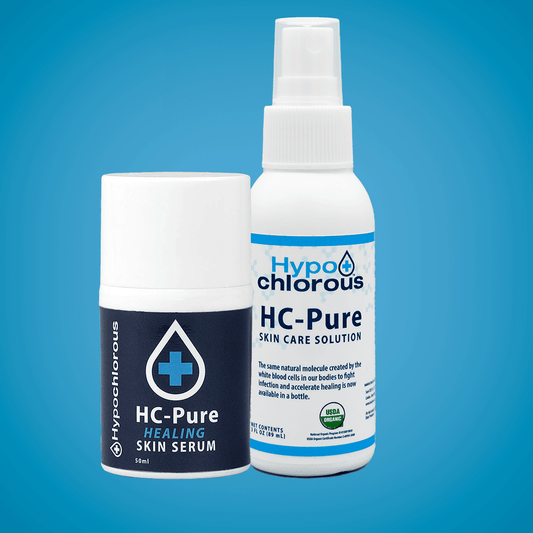
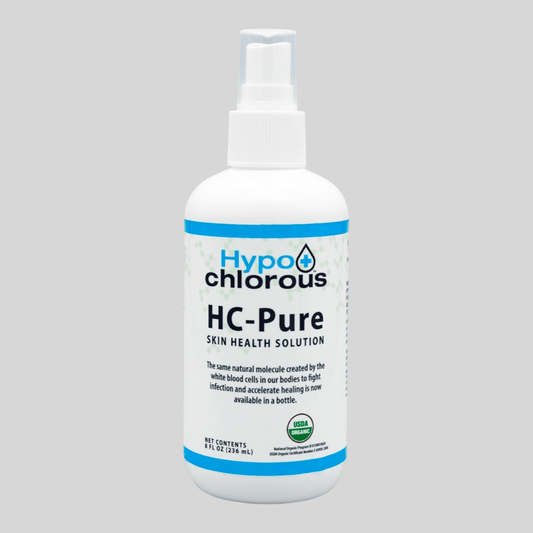
TryHypo brings this ingredient into a simplified home routine with hypochlorous acid solutions designed for the real places families clean most. The point is not to add another specialty spray to your cabinet. It is to replace unnecessary complexity with a solution built for high-performance, lower-worry cleaning.
Build a Lower-Toxin Cleaning Routine That You Will Use
The most sustainable routine is usually the one that is easy enough to repeat. Instead of buying a separate cleaner for every room, start by identifying the surfaces you clean most often. For many homes, that is the kitchen, bathroom, entryway, dining area, and pet zone.
Keep your everyday cleaner where you need it. A bottle near the kitchen and another near the bathroom can prevent little messes from becoming bigger jobs. Use washable cloths for routine wipe-downs, then launder them regularly rather than reaching for disposable wipes every time. For raw meat spills, pet accidents, or illness-related cleaning, use fresh cloths and wash hands after handling contaminated materials.
For stubborn grease, soap scum, mineral buildup, and baked-on food, an all-purpose cleaner may need help from friction, warm water, or a surface-specific method. That is not a failure of an eco-conscious cleaner. It is simply how cleaning works. Letting a compatible product sit briefly before wiping, using a non-scratch scrubber, and cleaning regularly can reduce the need for more aggressive chemicals.
The Trade-Offs Worth Knowing
An eco-friendly choice is not about pretending every ingredient is harmless in every context. Even gentler formulas should be stored responsibly, kept out of reach of children, and used according to their labels. Never mix cleaning products unless the manufacturer explicitly instructs you to do so. Mixing household chemicals can create unsafe fumes or make a product less effective.
Surface type matters, too. Natural stone, unfinished wood, delicate metals, and electronics may have special care requirements. Test a small hidden area when you are unsure, avoid saturating porous materials, and use a cloth rather than spraying directly near screens or electrical openings.
There is also a sustainability trade-off between convenience and waste. Refillable systems, concentrated formats, reusable cloths, and products that replace several single-use bottles can reduce packaging over time. Still, use what you already own safely before replacing everything at once. A thoughtful transition is more realistic than a dramatic cabinet purge.
A Cleaner Home Can Feel Simpler
The best home-cleaning upgrade is not a shelf full of trendy bottles. It is a routine you trust when your toddler drops a snack, your dog tracks in muddy paws, guests are on their way, or someone in the house is sick.
Choose products with transparent directions, proven performance, and ingredients you feel comfortable using around the people and animals you protect. When your cleaner can do more without bringing harsh fumes and unnecessary complexity into your home, keeping up with everyday messes becomes one less thing to worry about.