Your CPAP mask sits against your skin for hours every night. That makes choosing a cleaner for CPAP mask care more than a housekeeping decision. Facial oils, moisture, saliva residue, and airborne dust can build up on the cushion and affect comfort, seal quality, and the way your equipment smells when bedtime arrives.
The goal is not to blast your mask with the strongest chemical in the cabinet. It is to clean it consistently, protect the materials, and avoid leaving behind fragrances, vapors, or residue you may breathe through later. A smarter routine protects your therapy and gives you one less thing to worry about before sleep.
What a Cleaner for CPAP Mask Care Needs to Do
CPAP equipment has a demanding job. The mask cushion needs to stay soft enough to seal against your face, while the frame, headgear, tubing, humidifier chamber, and filters each have their own cleaning and replacement needs. A product that works well on a kitchen counter is not automatically a smart choice for a mask that delivers airflow all night.
For routine mask cleaning, look for a solution that helps lift everyday oils and residue without harsh perfumes, bleach, abrasive ingredients, or heavy chemical fumes. The formula also needs to be easy to rinse away when the manufacturer calls for rinsing. Residue matters. If a cleaner leaves a film on the silicone, it can irritate sensitive skin or interfere with the mask seal.
The mask manufacturer is still your first authority. Follow the cleaning instructions that came with your specific model, including which parts may be washed, soaked, wiped, or exposed to a particular solution. CPAP materials vary. Silicone, foam, plastic, fabric, and adhesive components do not all respond the same way.
Why Harsh Household Cleaners Are the Wrong Shortcut
A strong chemical smell may feel like proof that something is clean. For CPAP gear, that feeling can lead people in the wrong direction. Bleach, ammonia, alcohol-heavy cleaners, scented sprays, essential oils, and antibacterial soaps can be too aggressive for certain mask components. They may dry out silicone, discolor plastic, break down materials over time, or leave vapors behind.
Heat is another common mistake. Very hot water, dishwashers, and direct sunlight can warp or weaken some equipment. A mask that looks clean but no longer seals properly is not helping your therapy.
Ozone and UV cleaning machines also deserve a pause. They can sound convenient, but equipment makers may warn against them because exposure can damage CPAP materials or void a warranty. They do not replace the basic work of removing oils and visible buildup, either. When you are breathing through a device night after night, simple, approved care is often the safest choice.
Where Hypochlorous Acid Fits In
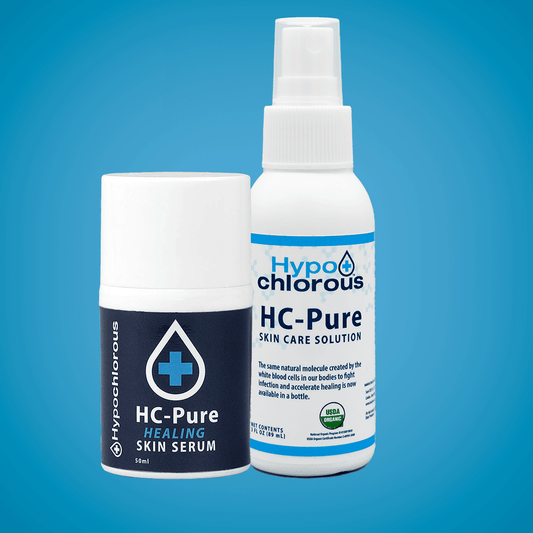
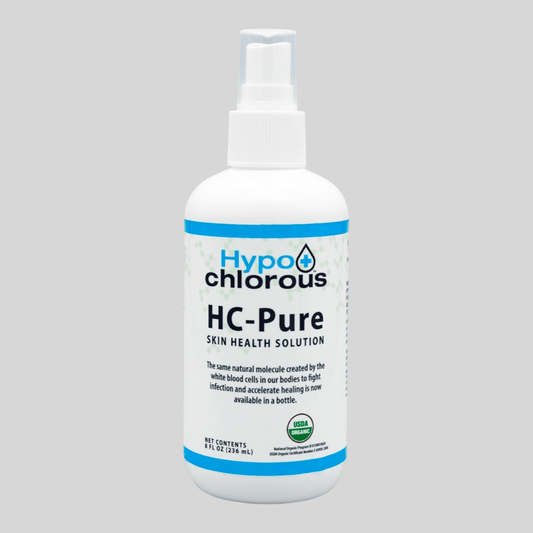
Hypochlorous acid, often called HOCl, is a powerful cleaning ingredient with a reassuring origin story: it is a molecule your own immune system produces as part of its natural defense response. Properly formulated HOCl is effective against many common germs while avoiding the harsh odor and corrosive feel associated with traditional disinfectants.
That makes it an appealing option for health-conscious households that want high-performance cleaning without filling the home with stronger chemicals. But CPAP care has one non-negotiable rule: compatibility comes first. Do not assume any cleaner, including an HOCl-based product, is approved for every CPAP mask or component. Check the device instructions and the cleaner label before using it.
If your manufacturer permits the product and method, use it exactly as directed. Some parts may require a rinse with clean water after cleaning. Others may be better served by a mild, unscented soap and warm water. The best routine is the one that respects both the science of the cleaner and the design of the device.
A Practical Daily CPAP Mask Cleaning Routine
Consistency beats occasional deep cleaning. Most people benefit from cleaning the part of the mask that touches their face every morning, before oils have time to settle in. Start by washing your hands. Then disconnect the cushion or mask components only as your manufacturer recommends.
Use lukewarm water and the approved cleaner or a mild, fragrance-free soap. Gently wash the cushion and other washable pieces with clean hands. Avoid scrubbing with rough cloths, brushes, or sponges that can scratch silicone and create places for buildup to cling.
Rinse thoroughly if the instructions require it. Then place the parts on a clean towel away from direct sun and allow them to air-dry fully. Do not reassemble wet components just to get the job done faster. Trapped moisture can create unwanted odors and makes it harder to keep the system fresh.
Your tubing, water chamber, and headgear usually follow a different schedule. Many manufacturers recommend washing these parts weekly, while the humidifier chamber may need more frequent attention depending on use and local water quality. Use distilled water in the humidifier when your device instructions recommend it, and empty any remaining water each morning.
How to Know When Your Mask Needs More Than Cleaning
Cleaning can remove daily residue, but it cannot reverse normal wear. A mask cushion eventually loses its softness and grip. Headgear stretches. Plastic may crack. Filters collect dust. Trying to extend worn equipment for too long can lead to leaks, dry mouth, noisy therapy, and restless sleep.
Pay attention to a few practical signs: a cushion that feels tacky or stiff after cleaning, recurring leaks despite adjusting the fit, visible cracks or cloudiness, lingering odor, or skin irritation that is new for you. These issues do not always mean the cleaner is the problem. They may mean it is time to replace a part.
Replacement timing depends on your insurance coverage, equipment model, cleaning habits, and how your skin reacts to the mask. Your sleep provider can help you follow an appropriate replacement schedule. Never use cleaning as a substitute for replacing damaged equipment.
Common CPAP Cleaning Mistakes to Skip
The biggest mistake is choosing a product based only on how aggressively it kills germs. CPAP care is about cleaning performance, material safety, and low-residue use in equal measure. A fragrant cleaner may leave your mask smelling fresh, but fragrance can be a poor trade for people with allergies, asthma, headaches, or sensitive skin.
Another mistake is cleaning only when the mask looks dirty. Oils and moisture are not always visible. A short daily routine prevents the kind of buildup that becomes harder to remove later.
Finally, do not mix cleaning products. Combining chemicals can create irritating fumes and makes it impossible to know what residue may be left on your equipment. One approved product, used correctly, is safer than a cabinet full of competing solutions.
Make Bedtime Care Feel Easier
Put a clean towel and your approved supplies near the sink so mask care takes minutes rather than becoming a weekend task. If mornings are busy, build the routine around something you already do, such as brushing your teeth or filling a water bottle. Small habits protect the equipment that supports your sleep.
A cleaner for CPAP mask care should support that habit, not complicate it with harsh smells, questionable ingredients, or extra worry. Choose gentle, compatible care, follow your manufacturer’s instructions, and let your nighttime routine feel as clean and considered as the rest of your home.